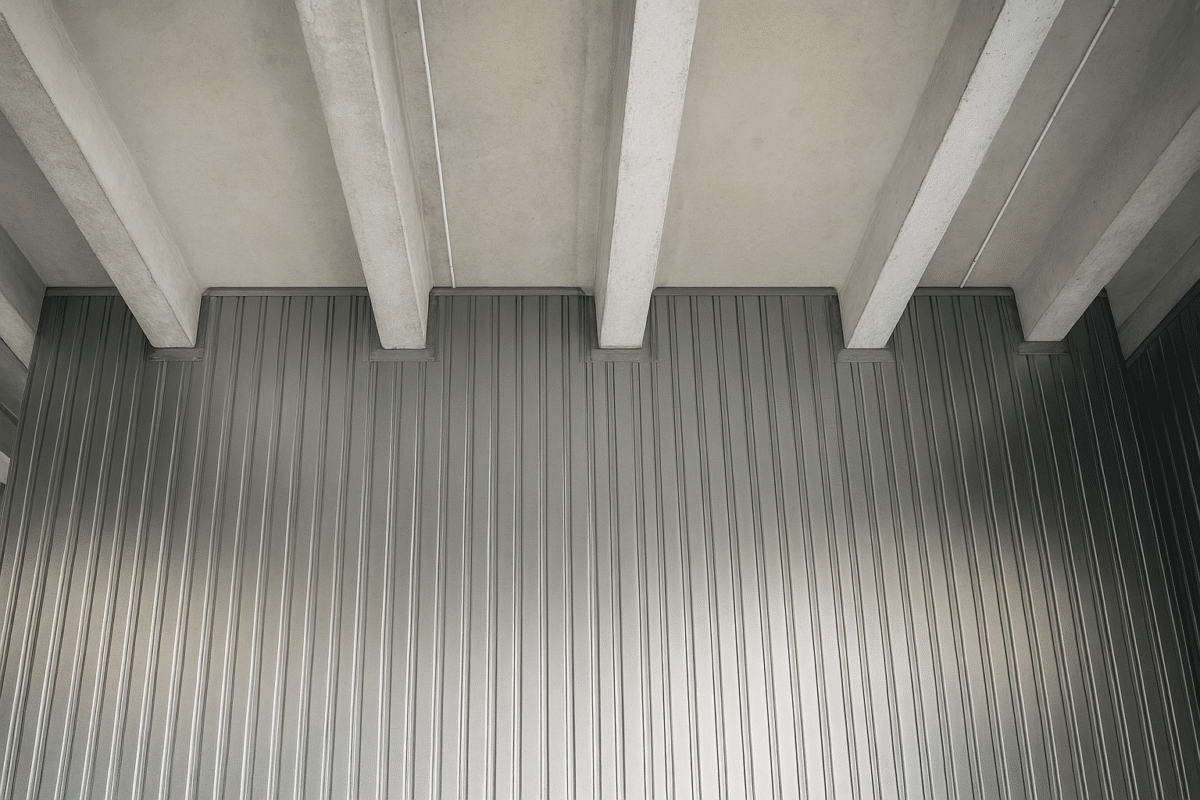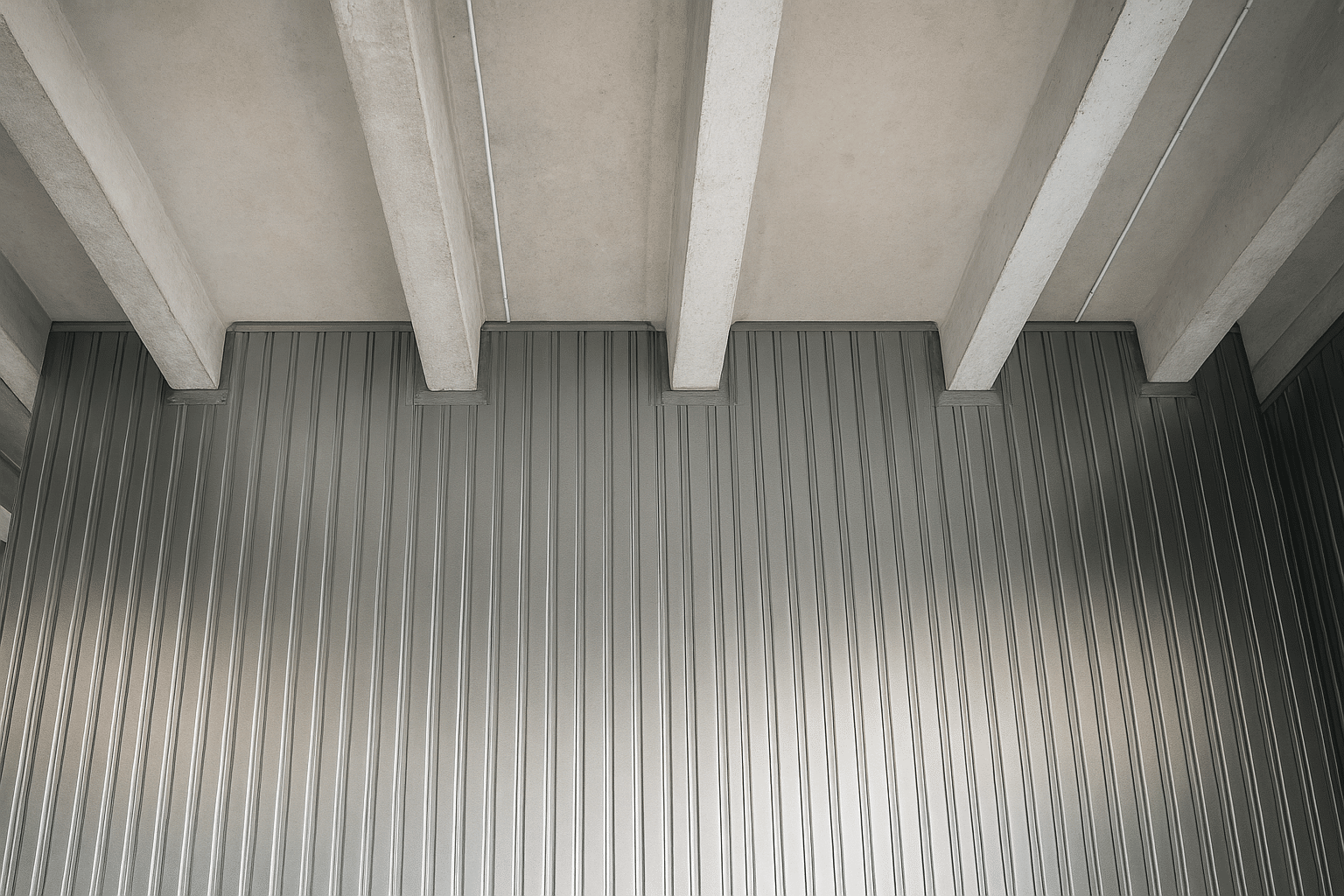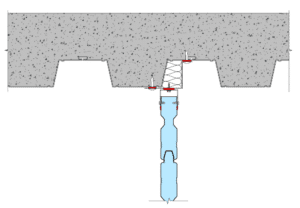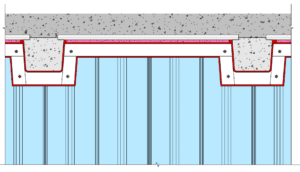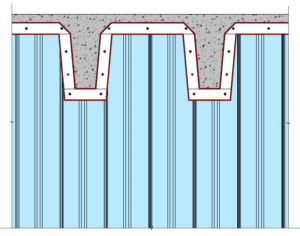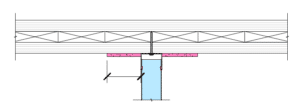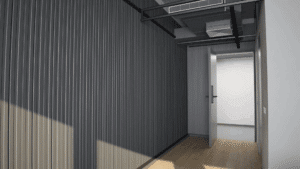


Butt joints – where two panels meet end-to-end. KOROK® provides an engineered approach so your wall performs as designed across 51 mm (60-minute) and 78 mm (120-minute) KOROK panel systems.
Applications
Methods (Butt Joints)
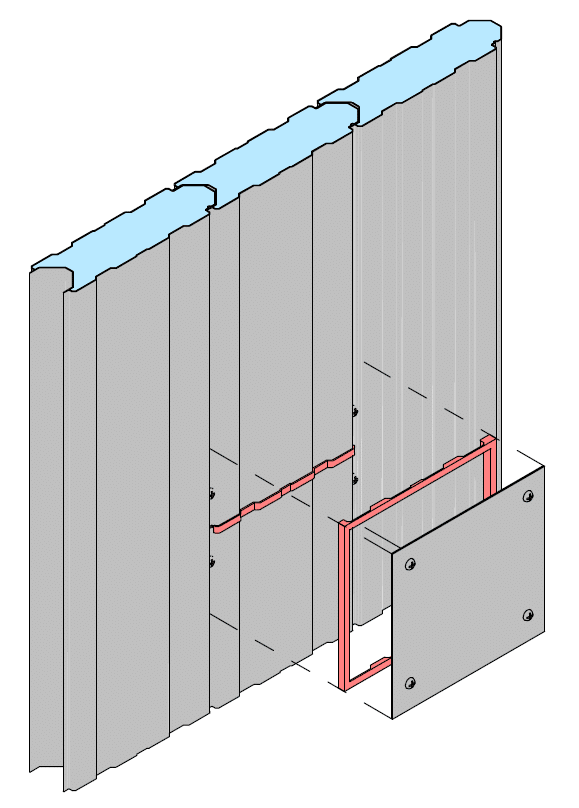
Plugging Circular Holes (≤ Ø160 mm)
For small circular openings created during installation, repairs, or services, use KOROK-tested plug details to maintain system performance.
Methods
Refer to the Detail Pack for FRR outcomes, fixing patterns, edge distances, sealant specification, and minimum spacings.

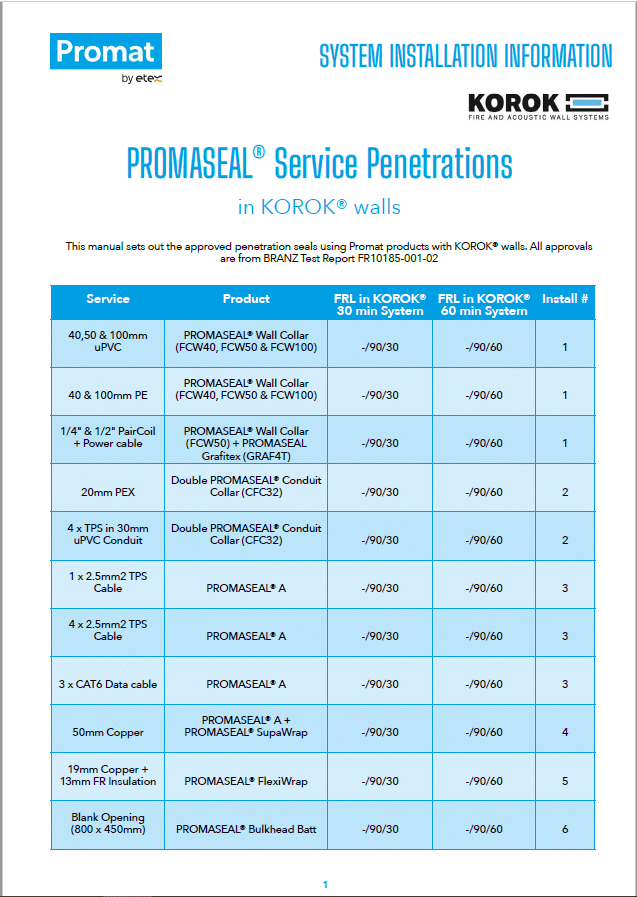
A focused manual outlining approved penetration seals using Promat products with KOROK® walls, supported by BRANZ Test Report FR10185-001-02.
What you’ll find inside:
BRANZ-approved solutions for service penetrations
Promat’s expertise in structural protection, compartmentation, fire stopping, and ductwork systems
Robust, tested solutions for challenging project requirements
Download the PROMASEAL® Service Penetrations Manual with Promat

This technical guide provides a comprehensive overview of Hilti’s passive fire protection systems tested and assessed for use with KOROK® intertenancy and fire-rated wall systems. Developed to support designers, engineers and contractors, this document consolidates key firestop solutions that tested in accordance with AS 1530.4 and assessed in accordance with AS 4072.1 and are compliant under the NZBC Clause C for service penetrations in KOROK® walls.
Hilti’s firestop products are engineered for performance, tested for compliance, and supported by international approvals and local assessments. Each system outlined in this guide has been selected based on its compatibility with KOROK® wall (51mm and 78mm) configurations and its ability to maintain fire resistance ratings across a wide range of service types, including:
This guide includes:

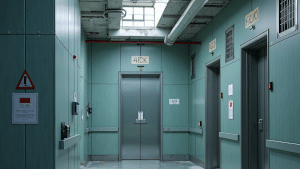
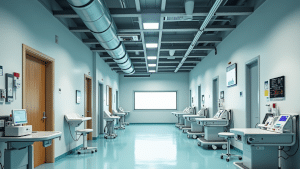
Fire & Acoustic Wall Systems Trusted in Healthcare. KOROK® is a proven fire and acoustic wall system that delivers key performance benefits for healthcare construction. Hospitals demand the highest standards in safety, acoustic control, compliance and speed of delivery. KOROK delivers – with BRANZ-appraised, tested systems that are already trusted in hospitals, corridors, IT rooms, service risers, lift shafts, and more
As the ultimate All-in-One solution for fire & acoustic-rated wall systems, KOROK® panels offer unmatched performance for high-importance structures. With strong seismic performance and the ability to withstand high drift limits, KOROK® panels are ideal for IL3 and IL4 buildings, such as hospitals, emergency response centres, and essential utilities. By undertaking this seismic testing, KOROK® reinforces its commitment to superior building resilience, helping to minimize damage, lower repair costs, and maintain operational continuity after earthquakes.

✔ Superior Fire Protection
Up to 120-minute FRR (Fire Resistance Ratings) for life-saving passive fire containment.
✔ Acoustic Excellence
Helps achieve compliance with hospital acoustic standards, improving privacy and patient comfort.
✔ Faster Installation
Lightweight, dry-construction modular design = faster program, fewer delays, and earlier handover.
✔ Seismic Resilience
Engineered seismic clips and deflection heads for movement-tolerant, post-event integrity.
One system, multiple applications. From intertenancy walls to lift shafts, risers, ducts and corridors. KOROK panels provide comprehensive protection throughout your entire project.
LIFT SHAFTS
SERVICE RISERS & DUCTS
CORRIDORS & HALLWAYS
INTERTENANCY WALLS
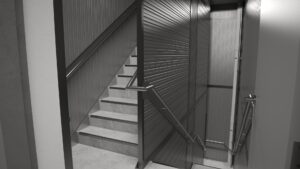
STAIRCASE & ESCAPE PATHS
PLANT ROOMS & IT ROOMS
For Designers & Specifiers |
For Construction Companies |
|
|
At KOROK, we know that healthcare projects are high-stakes environments, with no room for delays, compliance issues, or uncertainty. That’s why we offer KOROK 360, a full-circle support package developed to give you confidence from concept to completion. Whether you’re in early-stage design or managing construction on site, KOROK 360 provides targeted, hands-on support tailored to your needs
Let’s lock it in, and get your project moving with tested, proven performance. Whether you’re working on early-stage design, refining your specification, or needing trusted fire and acoustic systems that meet healthcare demands – we’re here to help. Get expert guidance, fast documentation, and the confidence that comes from working with systems already trusted in hospitals across New Zealand.
Talk to us today and bring KOROK certainty to your next healthcare build.

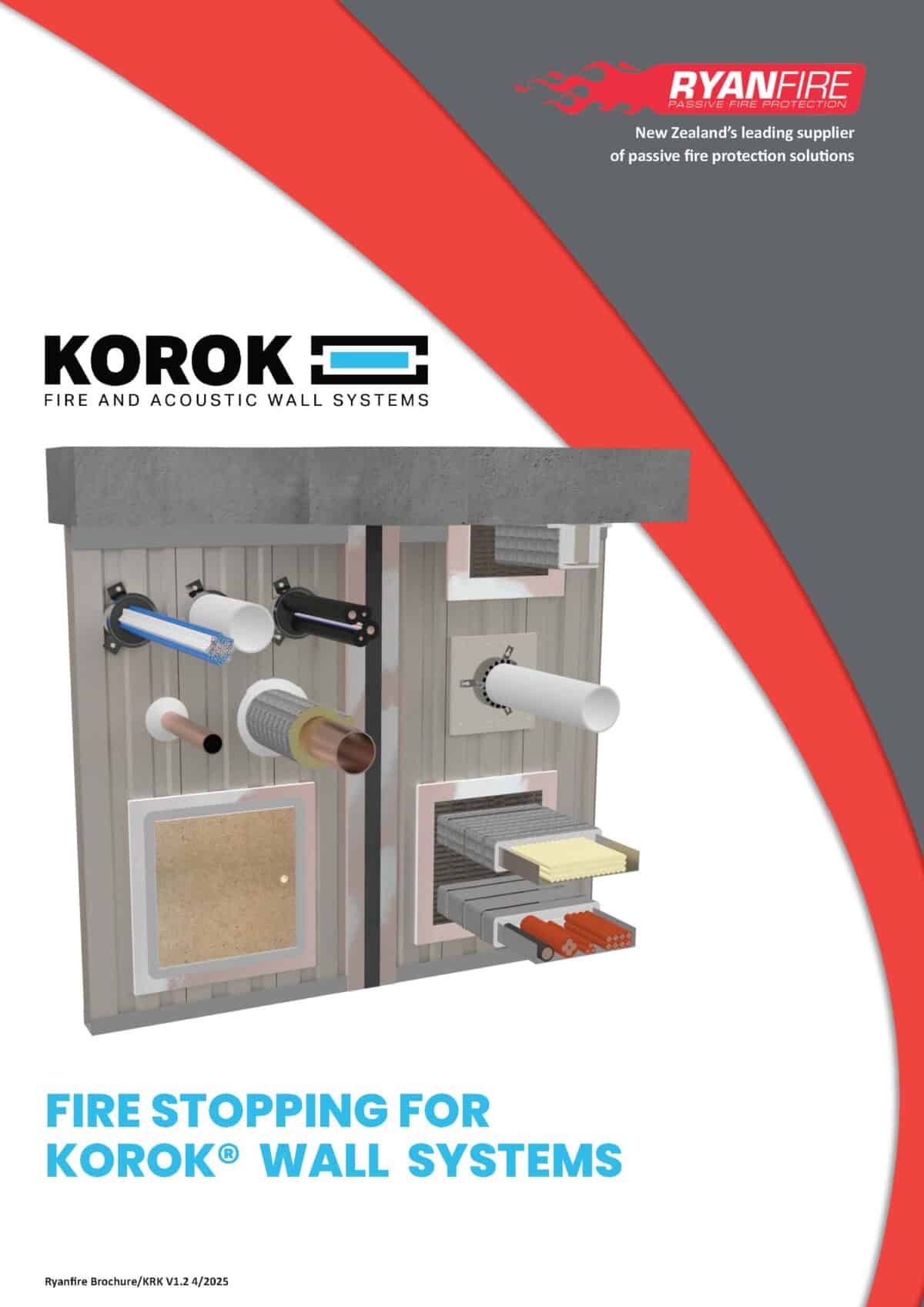
We’re excited to share a new resource designed to simplify fire-stopping with KOROK® wall systems.
In collaboration with our trusted partners at RYANFIRE, we’ve released the KOROK® Fire Barrier Manual – your go-to guide for fire-stopping penetrations in KOROK® fire-rated wall systems. 🔥 This guide aligns perfectly with the objectives outlined in the latest fire barrier documentation.
Passive fire penetrations – such as plumbing, electrical, and ductwork openings – play a crucial role in building performance, but they also pose fire risks if not handled correctly. This manual provides fully tested and compliant solutions that meet the latest NZBC requirements, with systems specifically designed and approved for use in KOROK® walls.
What’s inside:
✔️ Tested systems for passive fire penetrations
✔️ NZBC-compliant solutions
✔️ Easy-to-follow installation guidance
✔️ Developed with expert input from RYANFIRE – leaders in passive fire protection
This is just another example of how our longstanding partnership with RYANFIRE is helping deliver smarter, more efficient fire safety on site by utilising the new manual.

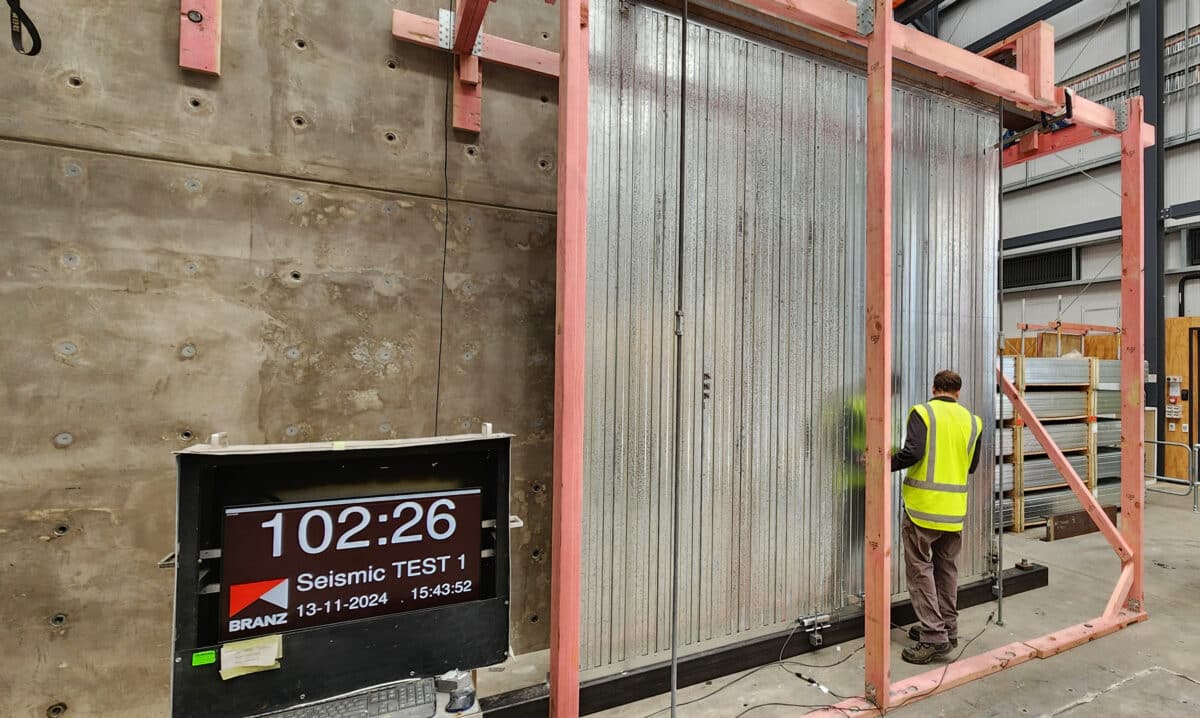
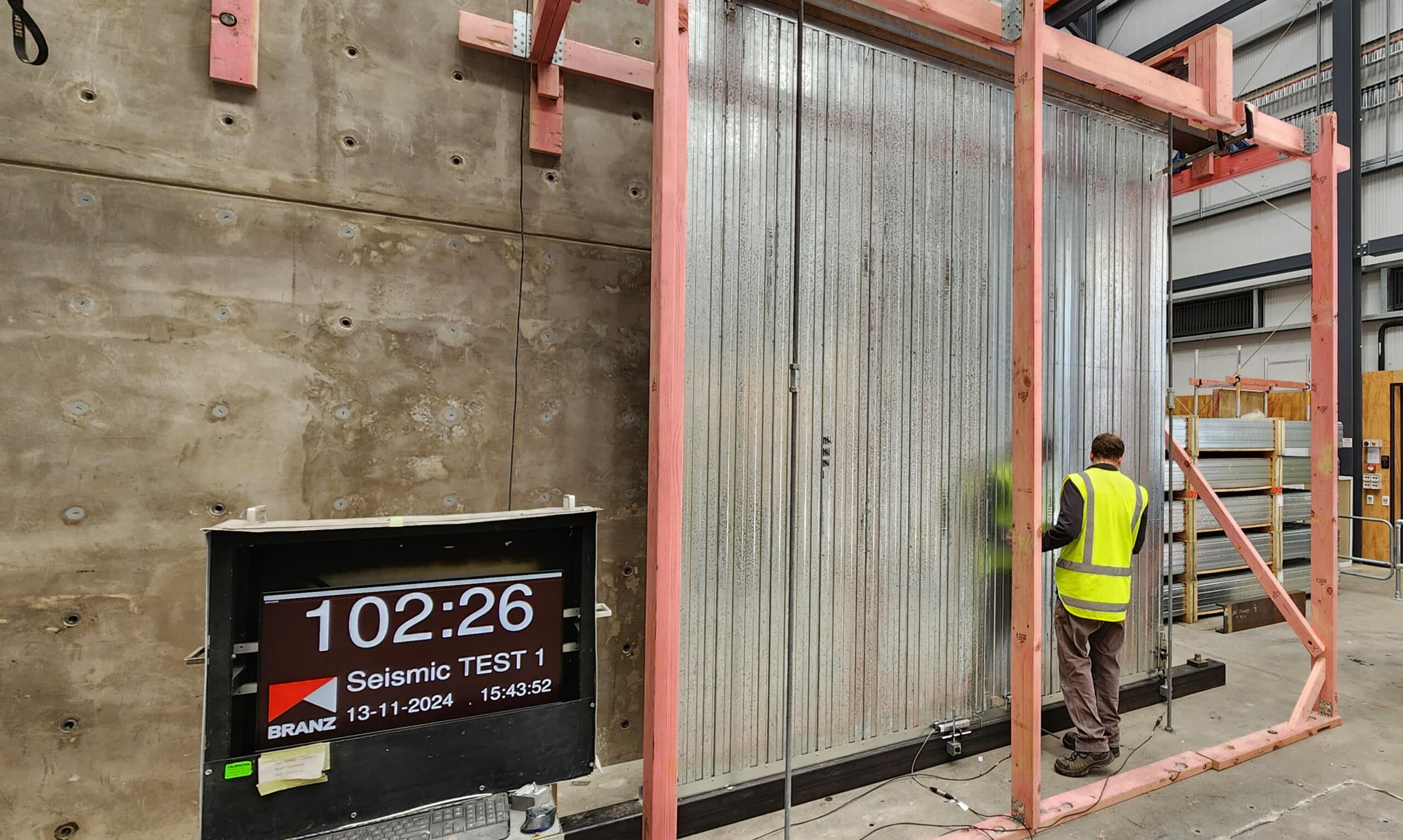
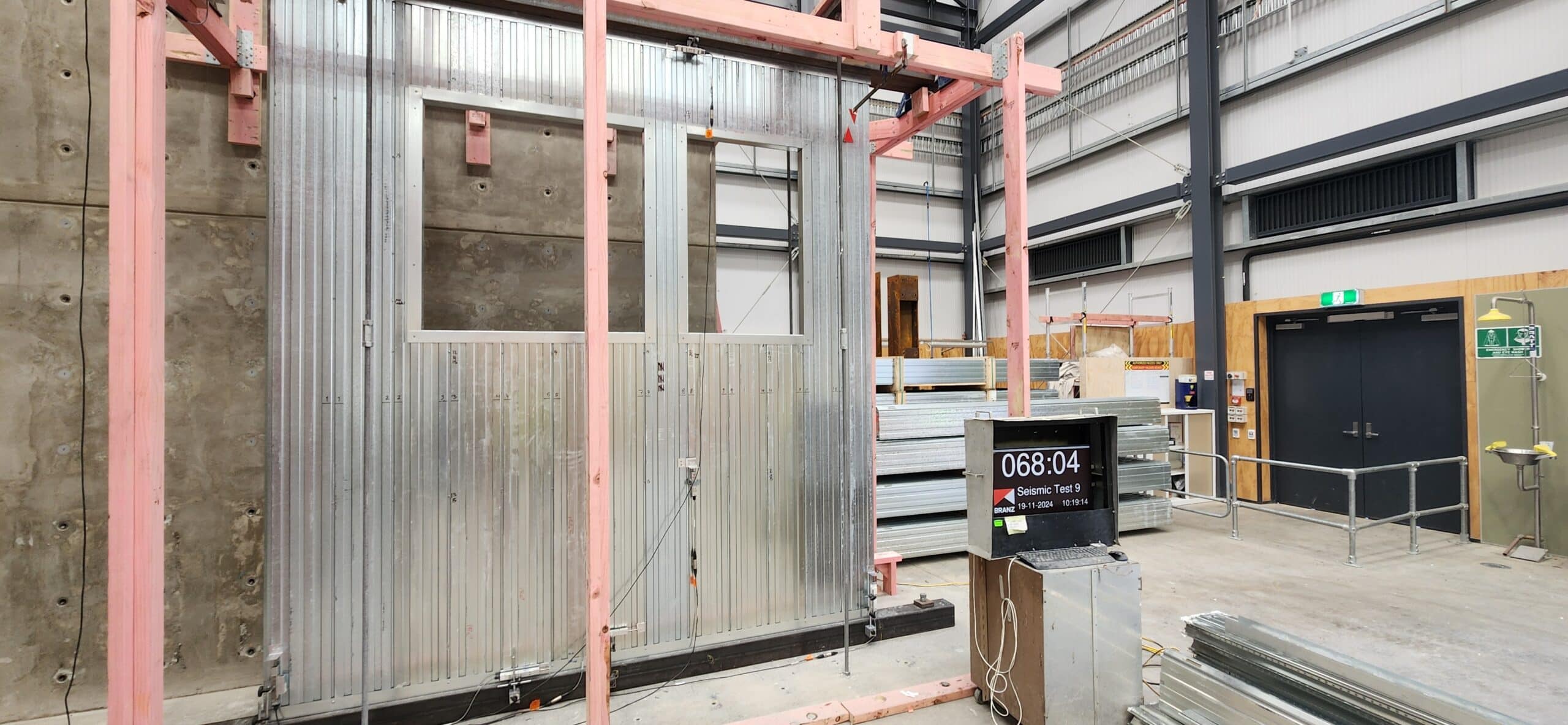
KOROK® has raised the standard for seismic resilience, proving its durability in the toughest conditions. Recent seismic testing conducted at BRANZ in 2024 confirmed that KOROK panels can withstand high levels of drift, ensuring minimal damage, reduced repair costs, and faster recovery following earthquakes.
These rigorous tests, performed in accordance with FEMA 461 and NZS 1170.5:2004 standards, evaluated KOROK panels under both in-plane and out-of-plane seismic conditions. No other system in New Zealand has undergone such extensive testing across multiple wall configurations.
With their exceptional seismic, fire, and acoustic performance, KOROK panels are the ideal choice for high-importance structures, including hospitals, emergency response centres, and essential utilities. This milestone reaffirms KOROK’s commitment to delivering market-leading solutions that enhance building resilience and safety.
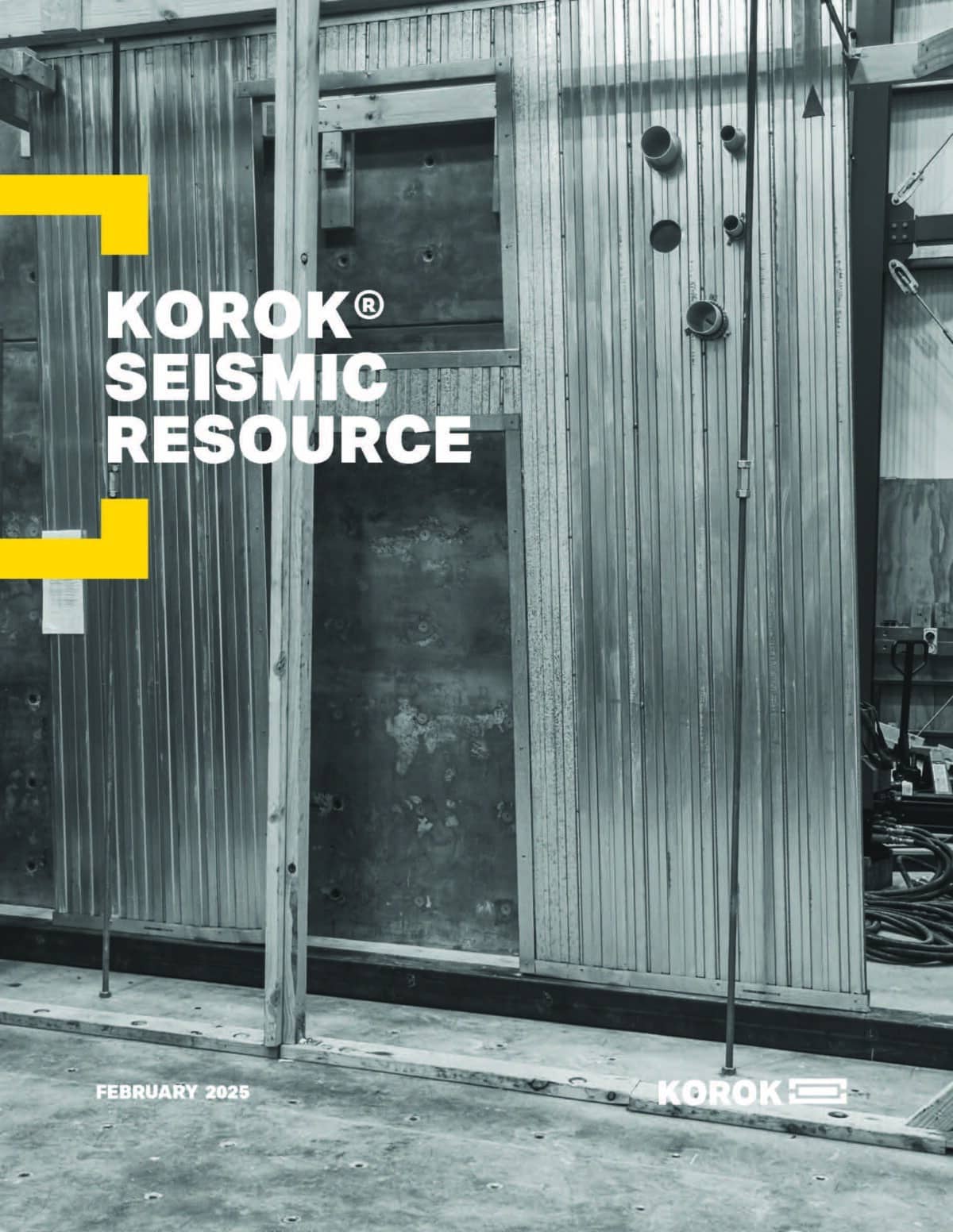
For more details, visit our Seismic Resource page and discover why KOROK is the trusted name in performance-driven wall systems.

KOROK® has set a new benchmark in seismic performance, demonstrating exceptional durability under rigorous in-plane and out-of-plane seismic testing. KOROK Panels have the ability to withstand high levels of drift , ensuring minimal damage, reduced repair costs, and faster recovery after earthquakes.
KOROK® has recently undergone comprehensive seismic testing, setting a new benchmark to support our fire and acoustic wall performance. For over 25 years, we have delivered high-performance solutions across the residential, industrial, and commercial markets.
To understand and determine the behavior and performance of KOROK wall panels when subjected to seismic design loads occurring between structural slabs within buildings.
To demonstrate how KOROK® panels respond in correlation with drift levels for both in-plane and out-of-plane conditions, and to support the market with tested solutions. By undertaking this seismic testing, KOROK® reinforces its commitment to superior building resilience, helping to minimize damage, lower repair costs, and maintain operational continuity after earthquakes.
The 2010/2011 Christchurch earthquakes and the more recent 2013 Lower North Island earthquakes illustrated the vulnerability of building non-structural elements (partitions, building services and piping). Widespread damage and loss of business continuity due to the poor performance of non-structural elements was widely observed
The Canterbury Earthquakes Royal Commission identified the need to improve the performance of non-structural elements in earthquakes with one of the recommendations focussed on improving non-structural element performance. “To prevent or limit the amount of secondary damage, engineers and architects should collaborate to minimise the potential distortion applied to non-structural elements. Particular attention must be paid to prevent the failure of non-structural elements blocking egress routes.”

Conducted at BRANZ in 2024, our seismic tests followed FEMA 461 and NZS 1170.5:2004 standards, confirming KOROK® panels has the ability to withstand high levels of drift. No other system in New Zealand has undergone such rigorous testing with multiple wall configurations and variations.
As the ultimate All-in-One solution for fire & acoustic-rated wall systems, KOROK® panels offer unmatched performance for high-importance structures. With strong seismic performance and the ability to withstand high drift limits, KOROK® panels are ideal for IL3 and IL4 buildings, such as hospitals, emergency response centres, and essential utilities. KOROK® provides stakeholders, architects, and engineers with confidence in a durable, high-performance solutions.

In Plane 78mm KOROK® with head track fixing. Vertical panel installation with no apertures.
In-plane loading of 78mm KOROK® with head track fixing. Vertical panel installation with apertures.
Out of plane loading of 78mm KOROK® with head track fixing. Vertical panel installation with apertures.

When discussing construction techniques, one important aspect to consider is panel handling, which ensures safety and efficiency on site.
KOROK manufactures lightweight wall panels consisting of galvanised or colour steel shells filled with aerated concrete.
Generally, KOROK products are delivered to your building or other site on long trailers and articulated trucks.
Our products are packed with reasonable protection against damage during delivery, however care must be exercised during unloading.
Forklift, Hiab or crane unload is required.
Ensure packs are lifted slowly, avoiding jerking where possible.

Forklift unloading – 150mm between pack and mast.

Ensure soft slings are neatly running on the inside of the two most inner timber collars of the pack.
Ensure soft slings are running continuously from the hooks to underneath the pack and back up to the hook.

Do not loop the sling around itself with only one end connected to the hook. This may damage the panels when lifted.

Ensure you lift only one or two packs at a time.
The panels are packed in timber pallets, measuring 1200mm wide by 300mm high.
There will be 2, 4 or 6 timber pallets for each pack (depending on length), nominally spaced 1200mm apart, middled from pack centre.
Packs can be stacked up to 6 packs high and must be placed side by side or end on end, on the truck / trailer tray.
When stacking back-to-back, timber collars must butt up against each other.
The length of the pack will vary according to the length of the panel required by the customer, commonly between 2.0 and 7.0 metres in length (can be up to 9.0m).
Standard 3 metre pack = 390 – 470kg (nominal); Standard 6 metre pack = 780 – 936kg (nominal).
Loads must be strapped down and secured by appropriate means. Load strops are most highly recommended, allowing 12 to 16 strops for a full semi load, more for B-Train transport.
Packs are to always be strapped over timber collars. No belly straps done with plastic angles at any time.
When stacking higher than 4 packs, a second set of straps must be placed after the third pack over timber collars only, before adding further packs.
At times, a bundle of steel C-track or Angle strips may be placed on top of the load. These may measure up to 6.0 metres in length and weigh from 10kg to 500kg depending on the quantity.
Where possible, avoid sudden braking and jolts during transit to reduce impacts on the product.
Re-tension strops every two hours at a minimum.
Forklift, Hiab or crane unload is required.
Use soft slings or forks only, no chains to be used on product.
All lifting to only be done under middle crate, closest to the bearers to take the weight.
Forklift unloading – 150mm between pack and mast.
Care must be taken on unload and storage of product, avoiding bumps and scratching.
Guidelines must be carefully followed (turn over page).

What Are Deflection Head Details?
Deflection head details are specialized components used in wall and partition systems to accommodate vertical or horizontal movement in a building’s structure. They are typically placed at the top of walls, allowing the structure to expand, contract, or shift without compromising the wall’s integrity or performance.
This movement can be caused by various factors, such as dead loads, live loads, thermal expansion, or seismic activity. At KOROK Building Systems, our deflection head solutions are designed to provide the flexibility and stability needed in high-performance wall systems.
KOROK deflection head details:

Dead and live loads can cause significant deflection in some structures. KOROK® can provide deflection C-track details where deflection loadings are considered.
Whether used in commercial or residential projects, KOROK’s deflection head details meet the highest industry standards, offering a reliable solution for builders, architects, and contractors who prioritize safety, performance, and durability.