Acoustic Performance in Medium Density Housing Why Code Minimum Is No Longer Enough

Acoustic Performance in Medium Density Housing: Why Code Minimum Is No Longer Enough

Acoustic Performance in Medium‑Density Housing: Why Code‑Minimum Is No Longer Enough

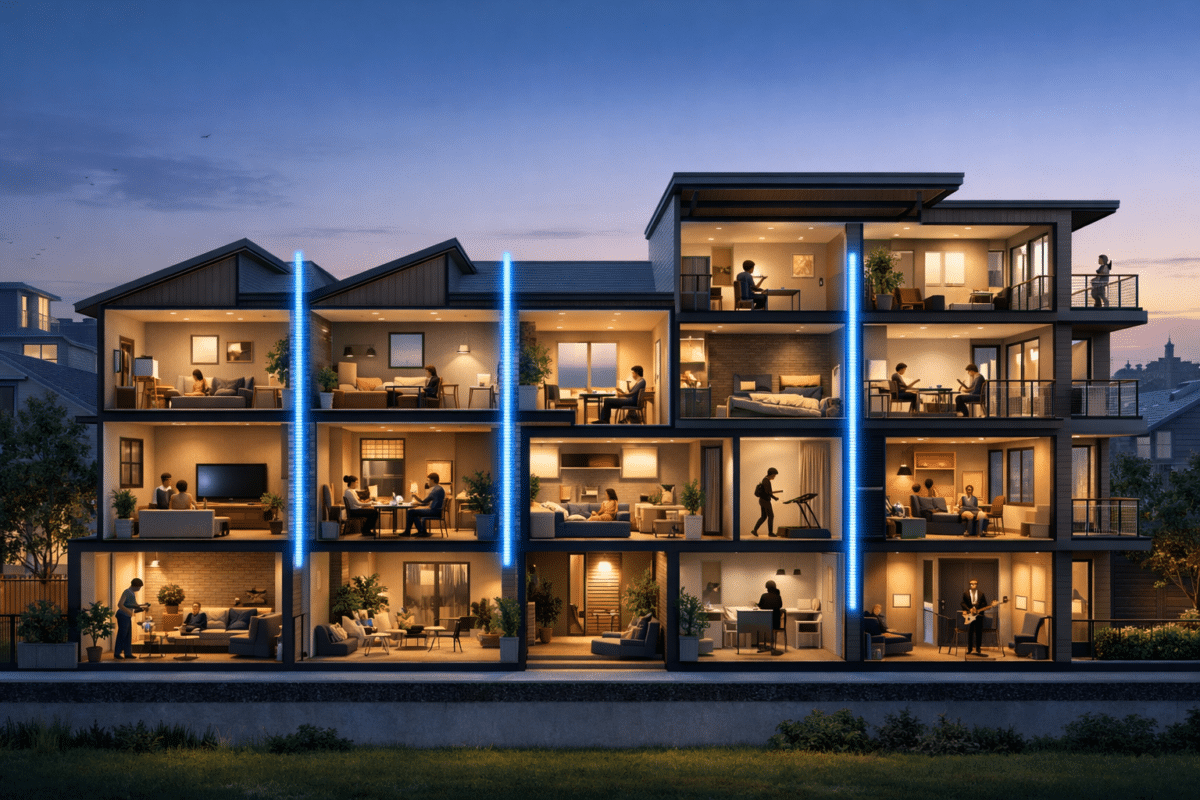
As medium‑density housing continues to grow across New Zealand, noise transmission between dwellings is consistently identified as one of the biggest impacts on resident wellbeing and quality of life.

While the Building Code sets minimum acoustic standards, real‑world experience shows that Code‑compliant buildings can still fall short of acoustic comfort.

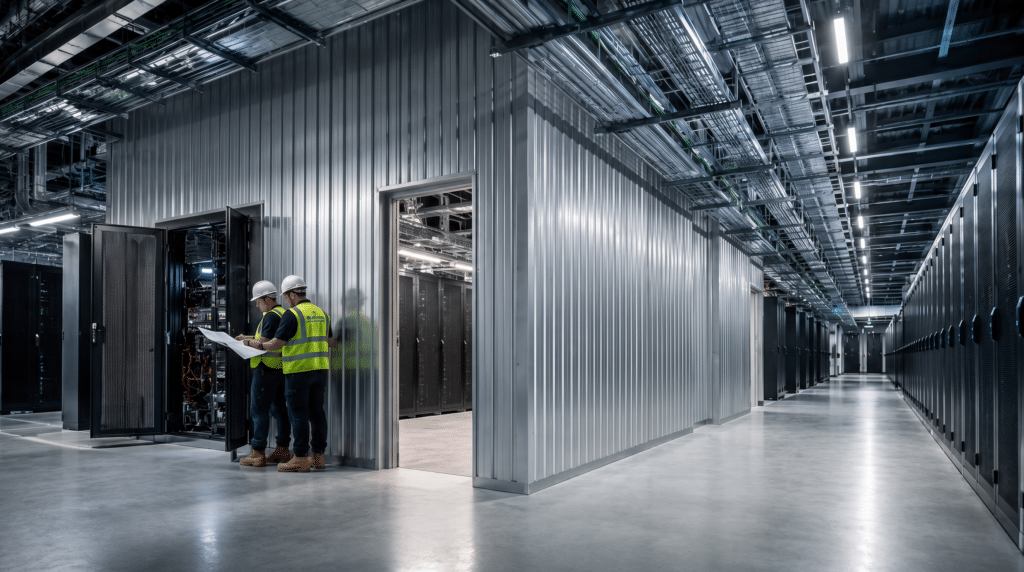
At KOROK, we believe acoustic performance should be designed for how buildings are actually lived in — not just how they are tested. Our building systems can achieve STC ratings of 65 and above, supporting Code‑plus acoustic outcomes that deliver greater privacy, reduced noise complaints, and better living experiences in medium‑density developments.

Early acoustic design, robust systems, and predictable performance make the difference.

👉 Read BRANZ original article here: Soundproofing in medium-density housing

Acoustic Performance in Medium Density Housing Why Code Minimum Is No Longer Enough
Read more
Why Early Design Decisions Matter More Than Ever

Why Early Design Decisions Matter More Than Ever

Why Early Design Decisions Matter More Than Ever

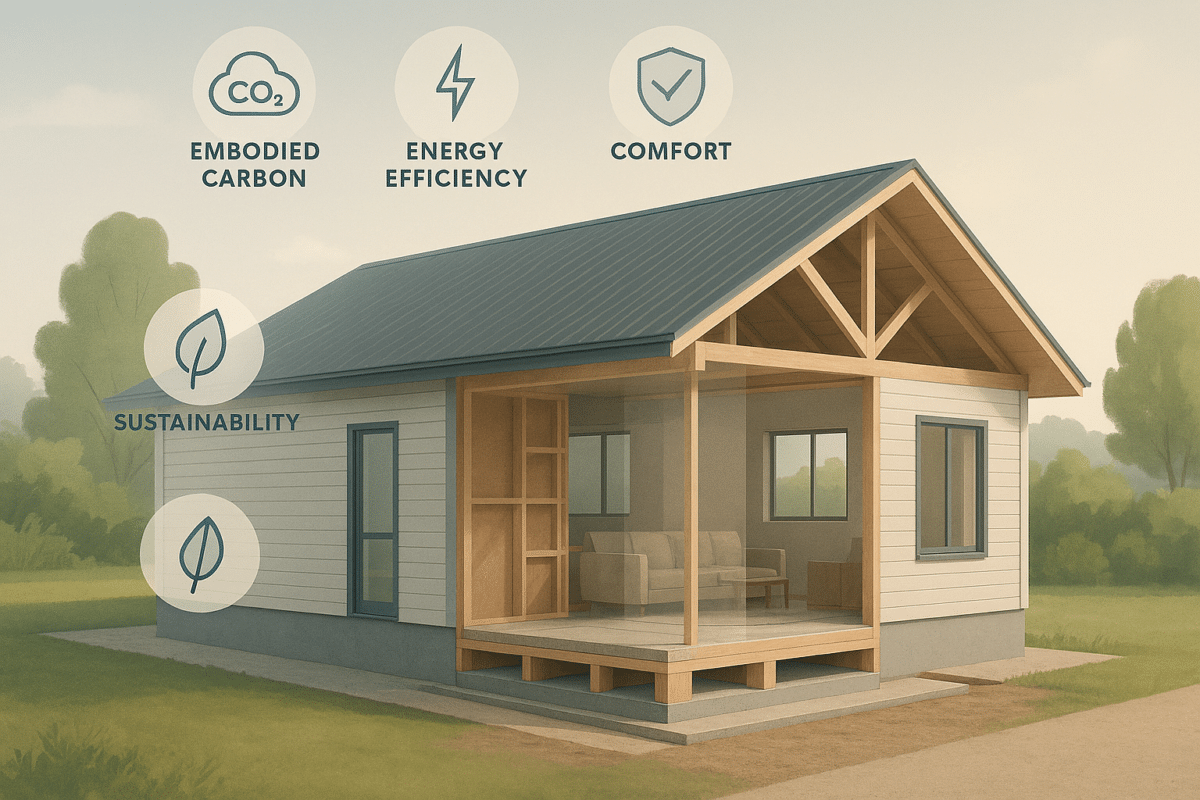
Designers today have better tools than ever to understand how their choices affect a home’s energy use and carbon footprint. With embodied carbon and operational energy now able to be assessed early in design, materials are no longer just a specification detail – they are a performance decision.

Material choices made early in the design process have a significant influence on a home’s overall performance. Choosing solutions that are efficient, well‑designed, and suited to modern construction workflows can deliver benefits across comfort, cost, and emissions over the life of a building.

At KOROK, we see this as a positive step forward for the industry. As performance modelling becomes standard practice, smarter wall systems help designers and builders turn sustainability targets into practical, buildable outcomes – right from concept stage.

Further reading:
This article was inspired by recent industry discussion on accessible carbon and energy modelling. You can read the original article from BRANZ and the New Zealand Green Building Council here: Carbon and energy calculation that’s accessible for designers – BRANZ

Why Early Design Decisions Matter More Than Ever
Read more
Sustainability Update - KOROK Panels Are About to Get a Whole Lot Lower‑Carbon

Sustainability Update – KOROK Panels Are About to Get a Whole Lot Lower‑Carbon

Sustainability Update – KOROK Panels Are About to Get a Whole Lot Lower‑Carbon

1. NZ Steel’s Electric Furnace Transition

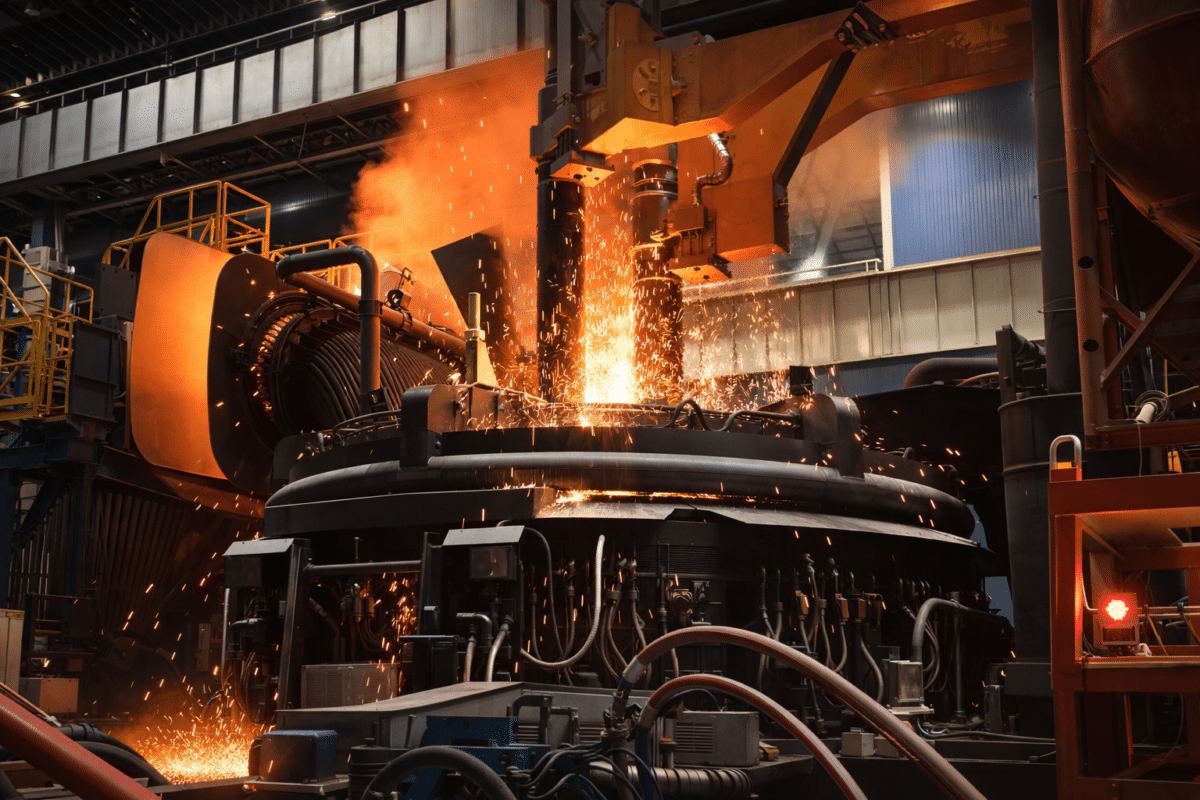
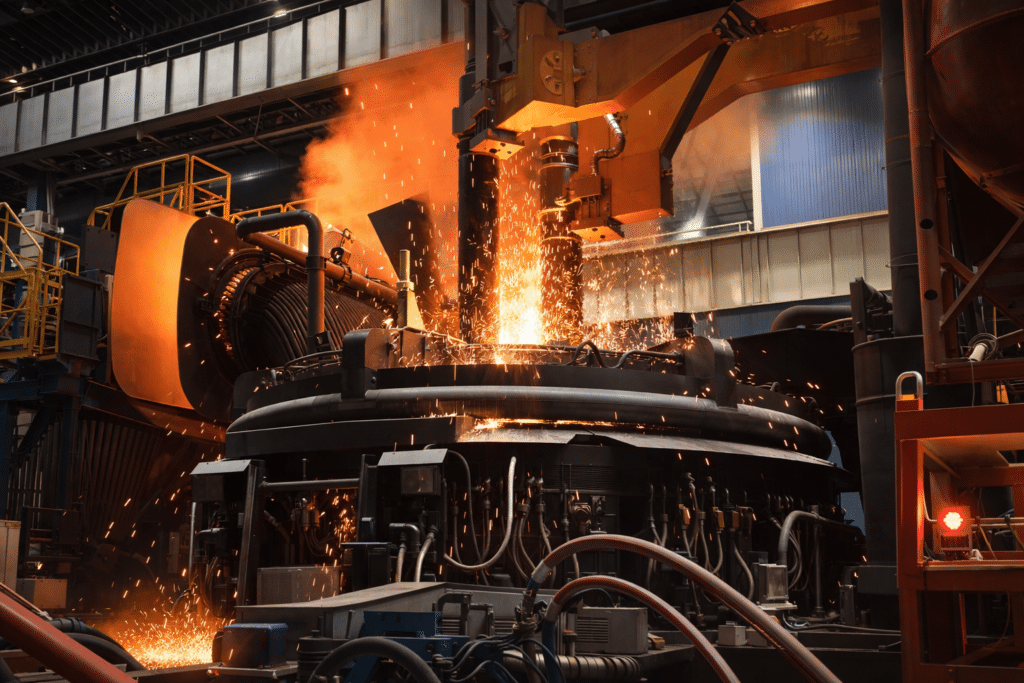
NZ Steel is commissioning a new Electric Arc Furnace (EAF) to replace the current coal‑based steelmaking process. This technology significantly reduces emissions because it uses electricity rather than coal as the primary energy source. Commissioning is expected to be complete by the end of 2026.

The change is expected to reduce the carbon footprint of NZ‑made steel by around 50%. Since the steel component represents the majority of the embodied carbon in KOROK® panels, this will dramatically reduce the carbon footprint of our product without any change to product performance or specification.

2. Steel as a Circular Material

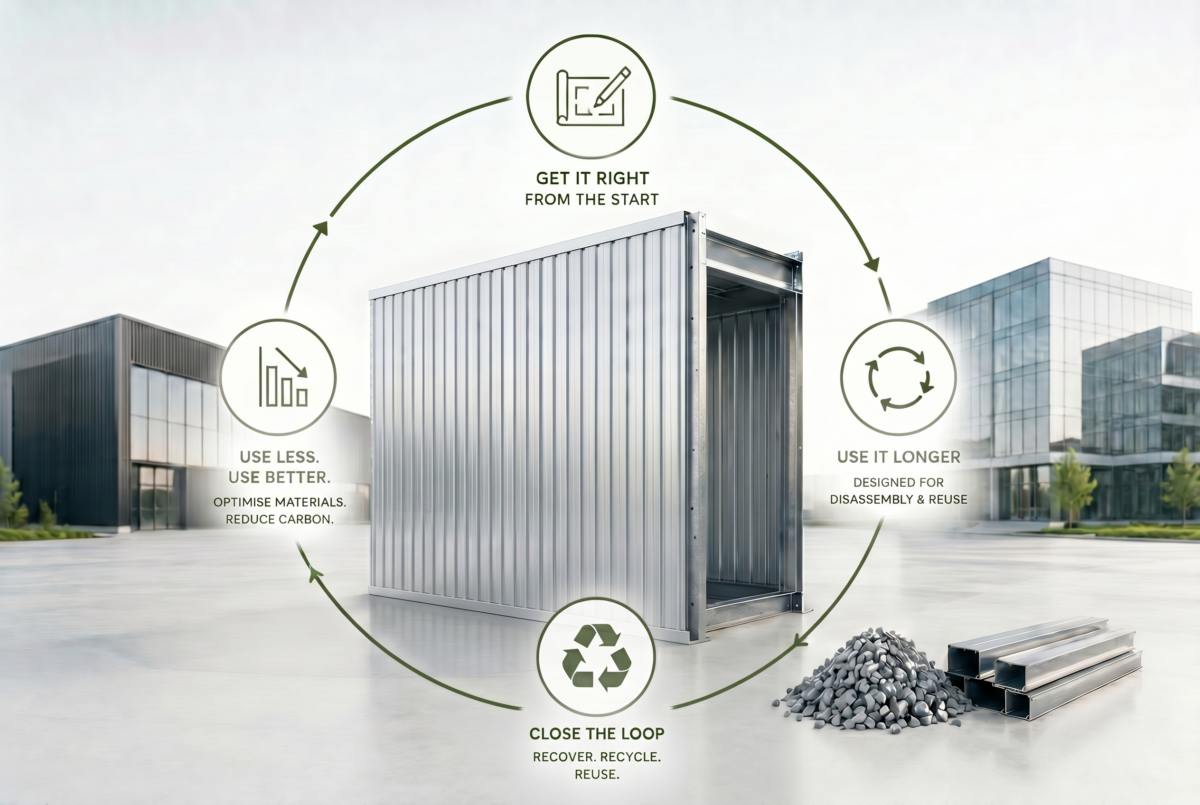
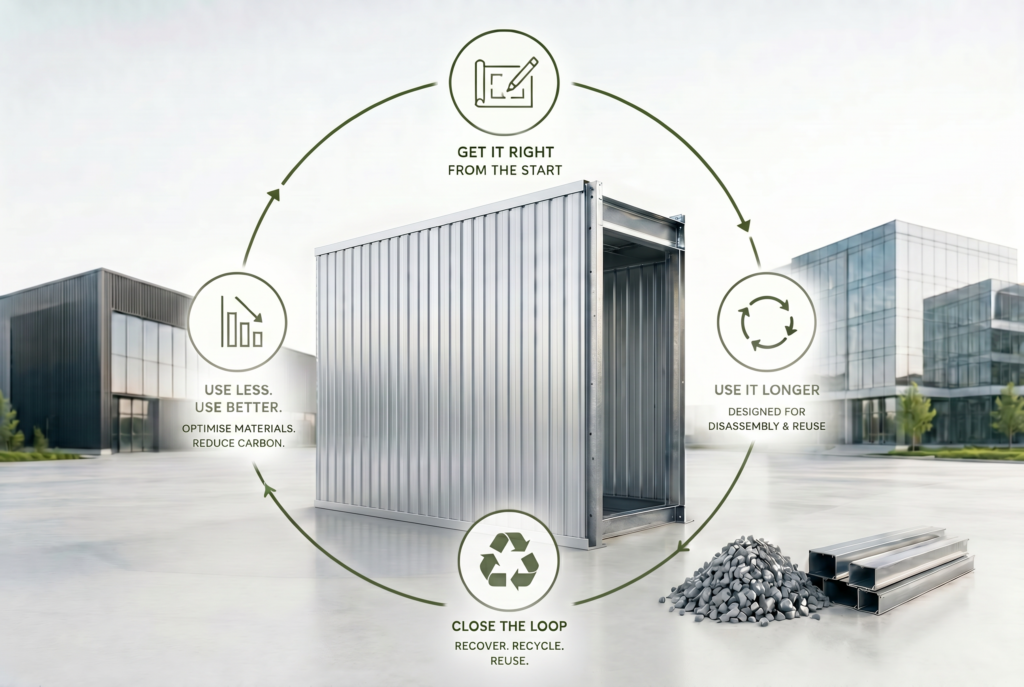
Steel is one of the most recyclable materials used in construction. It can be recycled indefinitely without loss of quality or structural performance.

This means the steel used in KOROK® panels can be recovered and reused repeatedly, supporting circular economy principles and reducing demand for new raw materials.

Sustainability Update - KOROK Panels Are About to Get a Whole Lot Lower‑Carbon

3. Durability and Longevity

The primary materials used in KOROK® panels—steel and concrete—are both known for their durability and long service life.

Concrete structures can last for many decades and often well over a century. Steel maintains its structural properties over time and can be recycled at the end of a building’s life. Because KOROK® panels are made from these long‑lasting materials, they contribute to buildings that require fewer replacements and less material use over time.

4. Deconstruction and Reuse

KOROK® panels can also be deconstructed and reconstructed rather than simply demolished. This allows materials to be reused in future building projects.

Designing buildings with components that can be reused helps reduce construction waste and extends the lifecycle of building materials.

5. Performance as a Sustainability Factor

Sustainability is not only about reducing carbon emissions—it is also about ensuring products perform reliably throughout the life of a building.

KOROK® panels are widely used because they provide exceptional fire and acoustic performance. Products that protect buildings from fire and control noise for decades without needing replacement contribute strongly to long‑term sustainable construction.

Want to know more about how these changes impact your project?

Read more
KOROK® Intertenancy Wall System

KOROK Intertenancy Wall System – Fire & Acoustic Separation for Apartments & Multi Unit Projects

Slide 1

KOROK® Intertenancy Wall System

This video redefines how intertenancy can be approached in multi-unit residential construction — with clarity, certainty, and performance built in from day one.

Fire & Acoustic Separation for Apartments & Multi Unit Projects

Multi‑unit residential projects deserve solutions that deliver absolute clarity, certainty, and performance. That’s exactly what the KOROK® Intertenancy Wall System provides. Proudly NZ‑made and BRANZ appraised, it’s engineered to strip away complexity, accelerate construction programmes, and give your team confidence from the very first design decision through to final completion. With clean, predictable onsite installation and consistently reliable fire and acoustic performance, the system transforms intertenancy from a pain point into a proven advantage.

Our new video showcases just how much faster, easier, and more predictable intertenancy can be across apartments, terraced housing, hotels, retirement villages, and mixed‑use developments.

Key Benefits

  • Performance

  • Simplicity

  • Speed

  • Risk Reduction

  • Trust & Credibility

Watch KOROK® Intertenancy System in Action

Planning a Multi‑Unit Project?

KOROK® Intertenancy Wall System Projects

.vc_custom_1419258058654{padding-left: 15px !important;background-color: #282828 !important;}
Read more

Wildfire risk is no longer a distant issue

Wildfire risk is no longer a distant issue

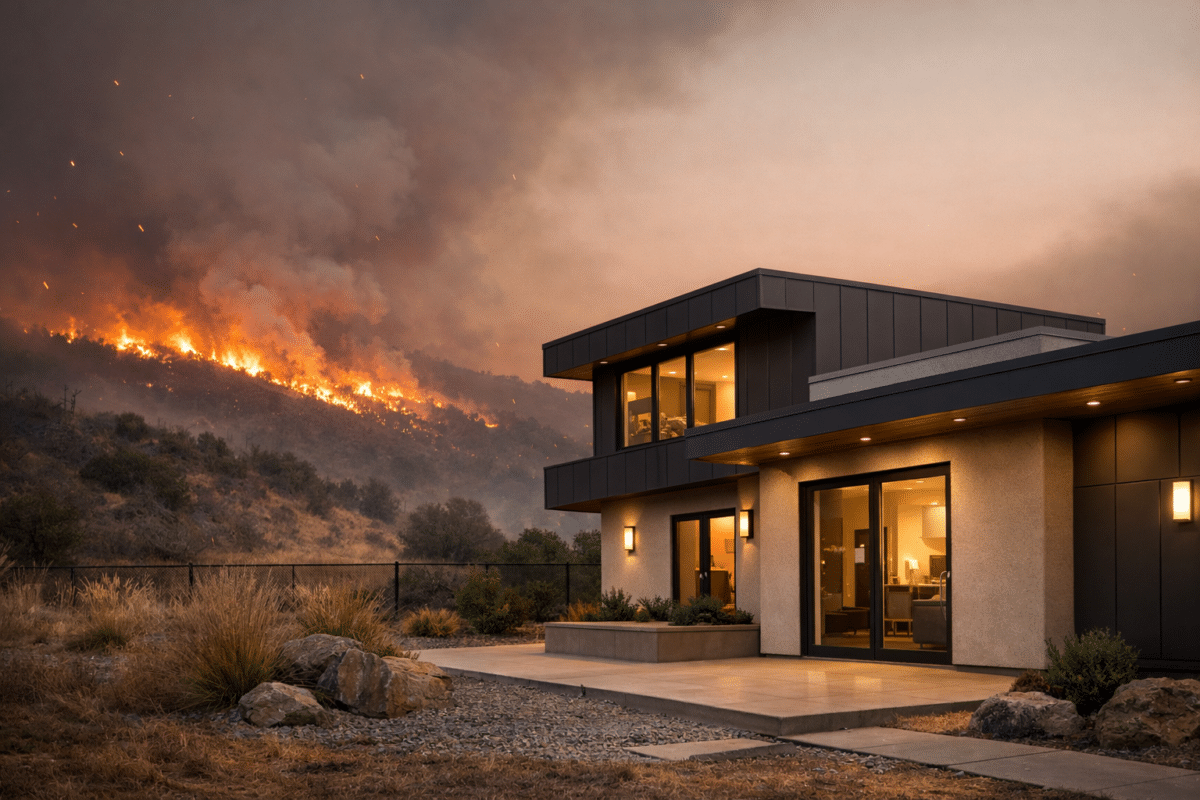
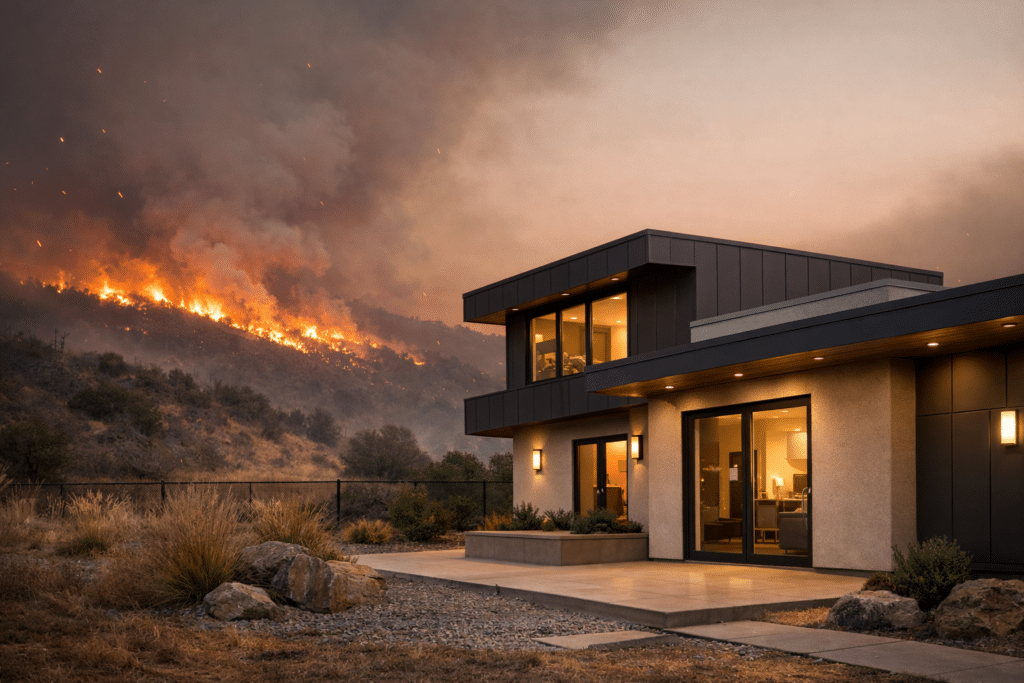
In buildmagazine Issue 207, researchers from the University of Canterbury explore how climate change is increasing wildfire risk and what this means for the way we design and build homes in Aotearoa — particularly at the wildland–urban interface.

A key message is that material choice and building envelope design play a critical role in how long a building can withstand fire exposure, helping to slow ignition and buy valuable time for occupants to evacuate. Research following events such as the Lake Ōhau fire highlights the vulnerability of combustible materials when exposed to embers, radiant heat and direct flame contact.

This reinforces the importance of using fire-resisting, non-combustible building systems as part of a broader, resilience-focused approach to fire safety. At KOROK, our fire-rated wall systems are designed to provide robust fire separation and proven performance, supported by testing and BRANZ Appraisals, helping create buildings that are better prepared for emerging fire risks. As wildfire threats continue to evolve, evidence-based design and material selection will be essential to protecting communities and improving long-term resilience.

📖 Recommended read: “Are we ready for wildfire at our doorstep?” – build magazine, Issue 207

Read more

Fire safety design succeeds or fails on coordination

Fire safety design succeeds or fails on coordination

In #buildmagazine Issue 207, BRANZ highlights how unclear roles, fragmented documentation and poorly coordinated fire safety decisions continue to drive RFIs, consent delays and on-site risk — and how the updated PN22 guidelines aim to address this.

A key takeaway is the importance of locking in proven, proprietary fire-rated systems early, with clear performance evidence, defined responsibility, and documentation that can be traced from design through to construction.

This directly reflects how KOROK supports fire safety design in practice. Our fire and acoustic wall systems are BRANZ Appraised, system-tested in the BRANZ fire laboratory, and supported by clear standard details — making it easier for design teams to reference performance, allocate responsibility and demonstrate compliance during consenting.

When fire safety systems are clearly defined and well documented, coordination improves, uncertainty on site is reduced, and the path to a Code-compliant building becomes far smoother.

📖 Recommended read: “Coordinating fire safety design” –  build magazine, Issue 207

Read more

Fire safety is about systems, not just materials

Fire safety is about systems, not just materials

BRANZ’s latest BUILD magazine article, “Burning for better outcomes”, highlights why understanding fire behaviour at a full-scale, real-world level is so critical to safer buildings.

The new BRANZ fire laboratory allows entire building systems – not just individual components — to be tested as they would perform in reality. This shift is essential in understanding how fire and smoke move through complex, multi-storey buildings and in helping prevent future tragedies.

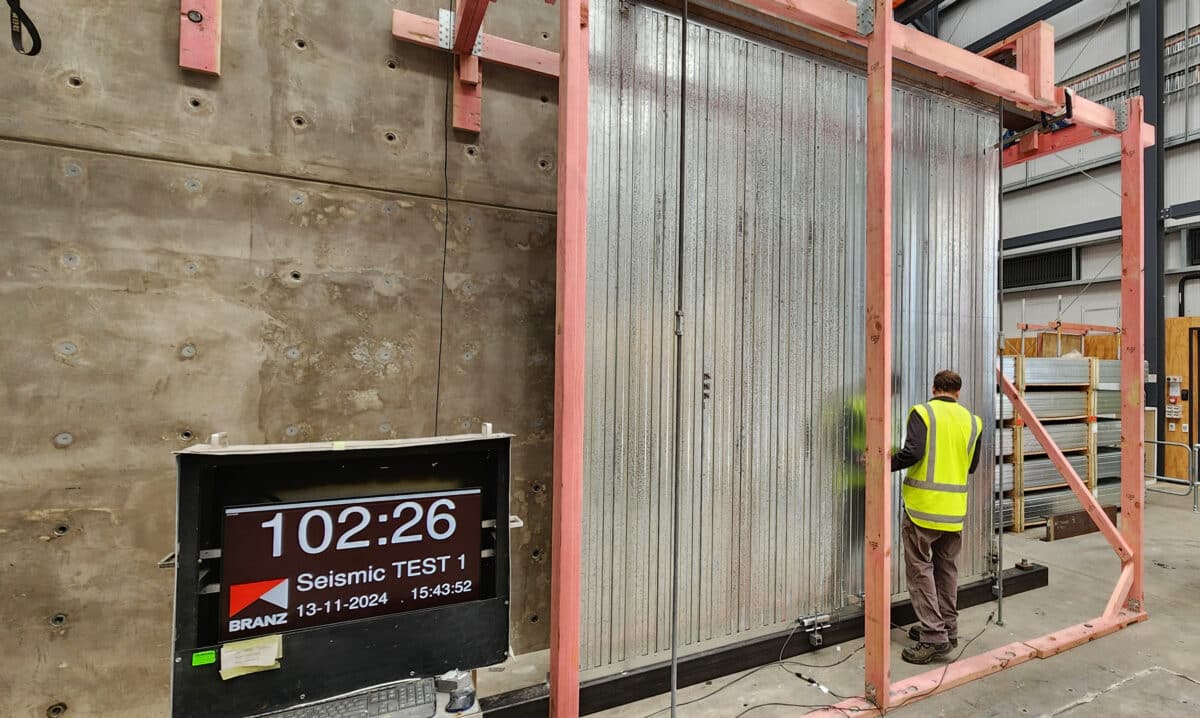
This systems-based approach strongly aligns with how we work at KOROK. Our fire and acoustic wall systems are tested in the BRANZ fire laboratory as part of the BRANZ Appraisal process, giving designers, builders and building owners confidence that performance is proven at scale – not assumed.

We’re proud to work closely with BRANZ and to support the ongoing advancement of fire science that helps raise the benchmark for building safety across Aotearoa New Zealand.

📖 Recommended read: “Burning for better outcomes” – BUILD magazine, Issue 207

Read more
KOROK® Intro Brochure

KOROK® Intro Brochure

KOROK® Intro Brochure

Your Simple Guide to Our Systems and Services

For over two decades, KOROK® has been protecting New Zealand buildings with fire-rated and acoustic-rated wall systems trusted by architects, engineers, and builders nationwide.

Our new KOROK® Brochure provides an easy introduction to who we are, what we do, and how our systems can help you deliver safer, faster, and more efficient projects. Inside, you’ll find:

  • A quick overview of our systems and applications
  • Key benefits of KOROK® fire and acoustic wall systems
  • Details on our technical resources and KOROK 360 support
  • Information about our commitment to sustainability
  • Examples of major projects across New Zealand


Whether you’re designing, specifying, or building, this brochure is the perfect starting point to understand why KOROK® systems are trusted throughout the industry.

📘 Download the KOROK® Brochure (PDF)

KOROK® Intro Brochure
Read more

Visiting NZ Steel: Supporting a More Sustainable Future

Visiting NZ Steel: Supporting a More Sustainable Future

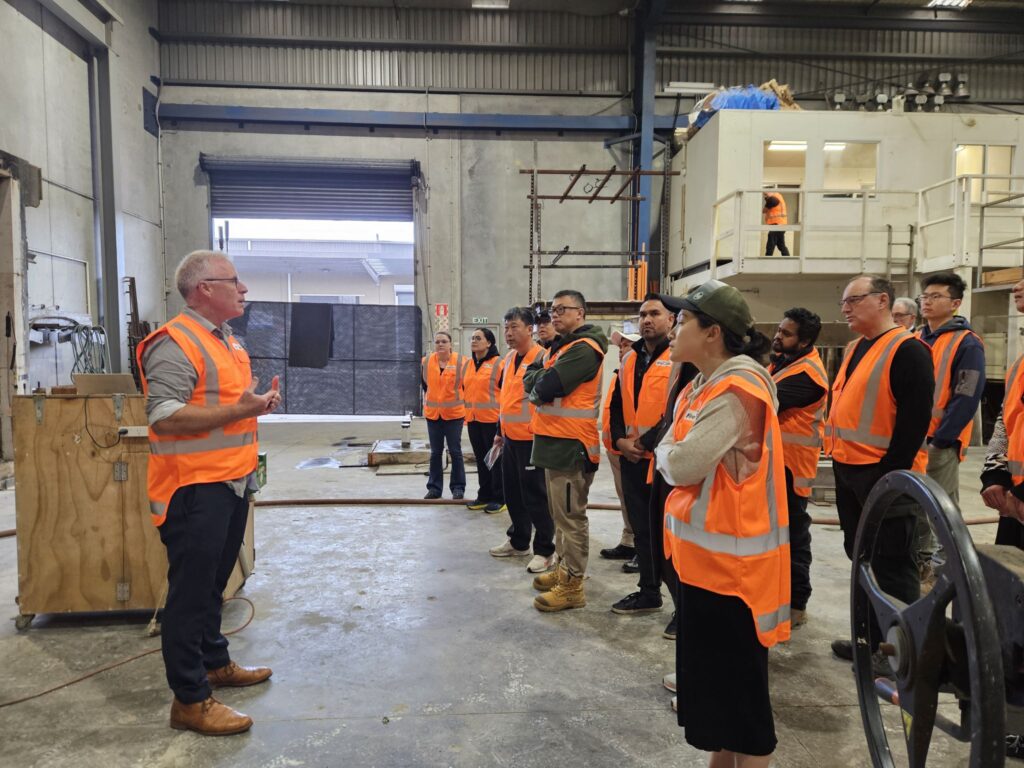
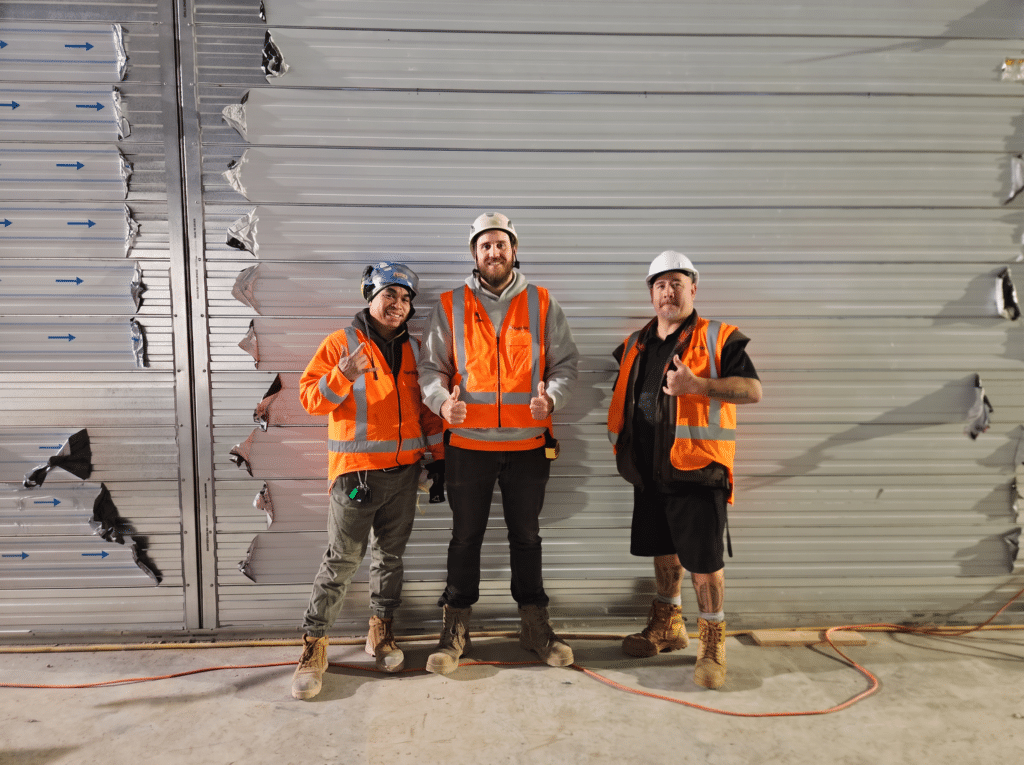
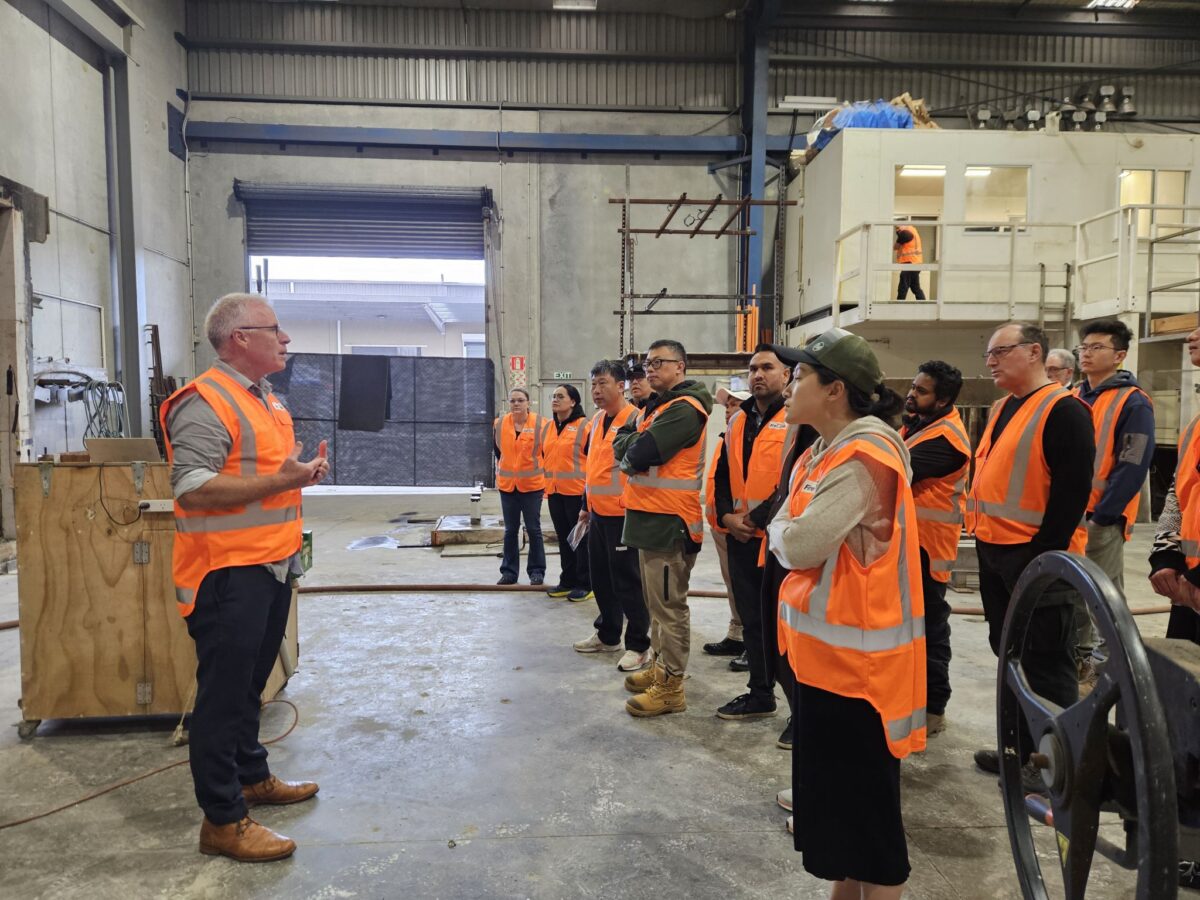
Some of our KOROK team members, including our Systems & Sustainability lead, recently visited NZ Steel’s Glenbrook site for a look behind the scenes at their game-changing Electric Arc Furnace (EAF) project.

This innovative project will replace two coal-fuelled rotary kilns at the Glenbrook steel mill, reducing NZ Steel’s carbon emissions by over 45%. The EAF will use renewable electricity and recycled scrap steel instead of coal, cutting NZ Steel’s carbon emissions by around 1 million tonnes a year  – that’s about 1% of New Zealand’s total emissions!

The project, supported by the New Zealand Government through the GIDI Fund, is expected to be operational by mid-to-late 2026, marking a significant milestone in New Zealand’s decarbonisation journey.

It was great to see this innovation up close and discuss how these advancements align with our own sustainability goals at KOROK.

Read more
Ravenscroft Fire Damper and SmokeFire Damper for KOROK panel Installation

Ravenscroft Smoke Fire Damper for KOROK Panel Installation

Ravenscroft Fire Damper and Smoke Fire Damper for KOROK panel Installation

The Ravenscroft Fire and Smoke Damper has been carefully engineered to seamlessly integrate with high performance KOROK wall systems. Preventing the spread of both fire and smoke between building compartments, preserving the barriers integrity for up-to two hours.

The Ravenscroft Fire Damper for KOROK is a combined balancing and fire damper. The damper can easily be tested and preset with the indicator handle from outside the duct. Duct access panels are not required. The Ravenscroft Smoke/Fire Damper for KOROK is a combined fire and smoke damper. The damper can easily be tested by pressing the centre of the thermo-electric tripping device. Flexible ductwork connectors must be used to separate rigid ducting from the damper. These prevent excess force being transferred to the wall mounting in the advent of ductwork deformation or collapse during a fire or earthquake.

Available sizes

125 | 150 | 175 | 200 | 250 | 300 | 400mm (125 and 175 available by request)

Read more