Why Early Design Decisions Matter More Than Ever

Why Early Design Decisions Matter More Than Ever

Why Early Design Decisions Matter More Than Ever

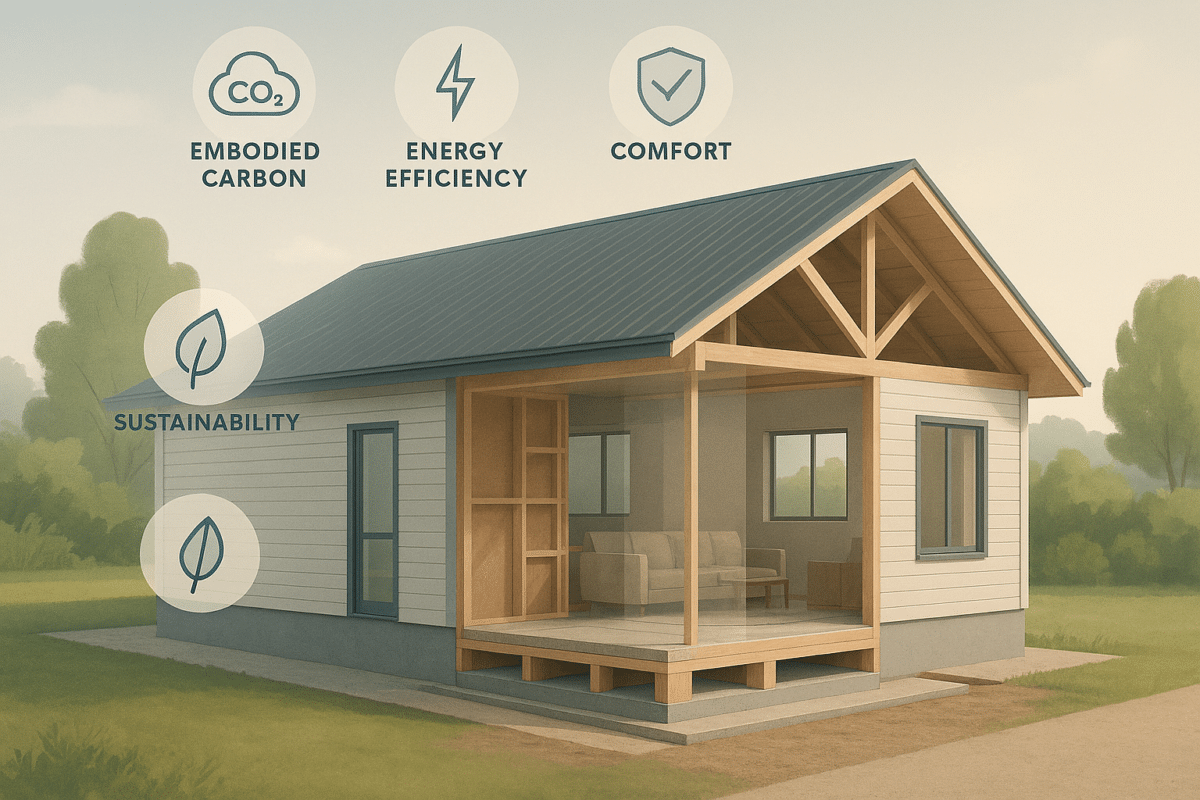
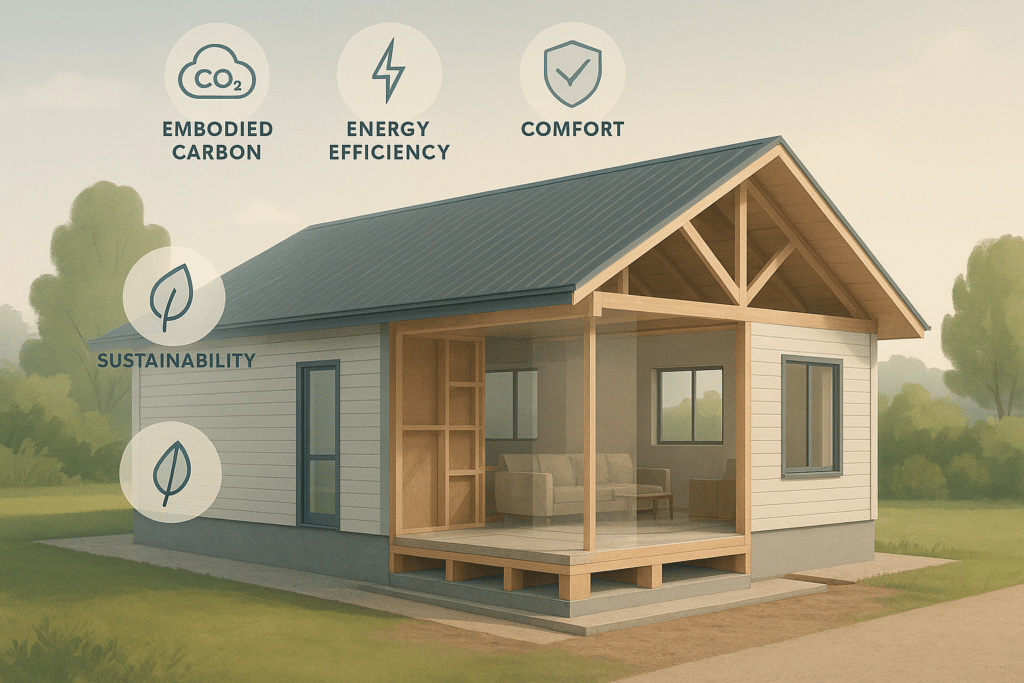
Designers today have better tools than ever to understand how their choices affect a home’s energy use and carbon footprint. With embodied carbon and operational energy now able to be assessed early in design, materials are no longer just a specification detail – they are a performance decision.

Material choices made early in the design process have a significant influence on a home’s overall performance. Choosing solutions that are efficient, well‑designed, and suited to modern construction workflows can deliver benefits across comfort, cost, and emissions over the life of a building.

At KOROK, we see this as a positive step forward for the industry. As performance modelling becomes standard practice, smarter wall systems help designers and builders turn sustainability targets into practical, buildable outcomes – right from concept stage.

Further reading:
This article was inspired by recent industry discussion on accessible carbon and energy modelling. You can read the original article from BRANZ and the New Zealand Green Building Council here: Carbon and energy calculation that’s accessible for designers – BRANZ

Why Early Design Decisions Matter More Than Ever
Read more
Sustainability Update - KOROK Panels Are About to Get a Whole Lot Lower‑Carbon

Sustainability Update – KOROK Panels Are About to Get a Whole Lot Lower‑Carbon

Sustainability Update – KOROK Panels Are About to Get a Whole Lot Lower‑Carbon

1. NZ Steel’s Electric Furnace Transition

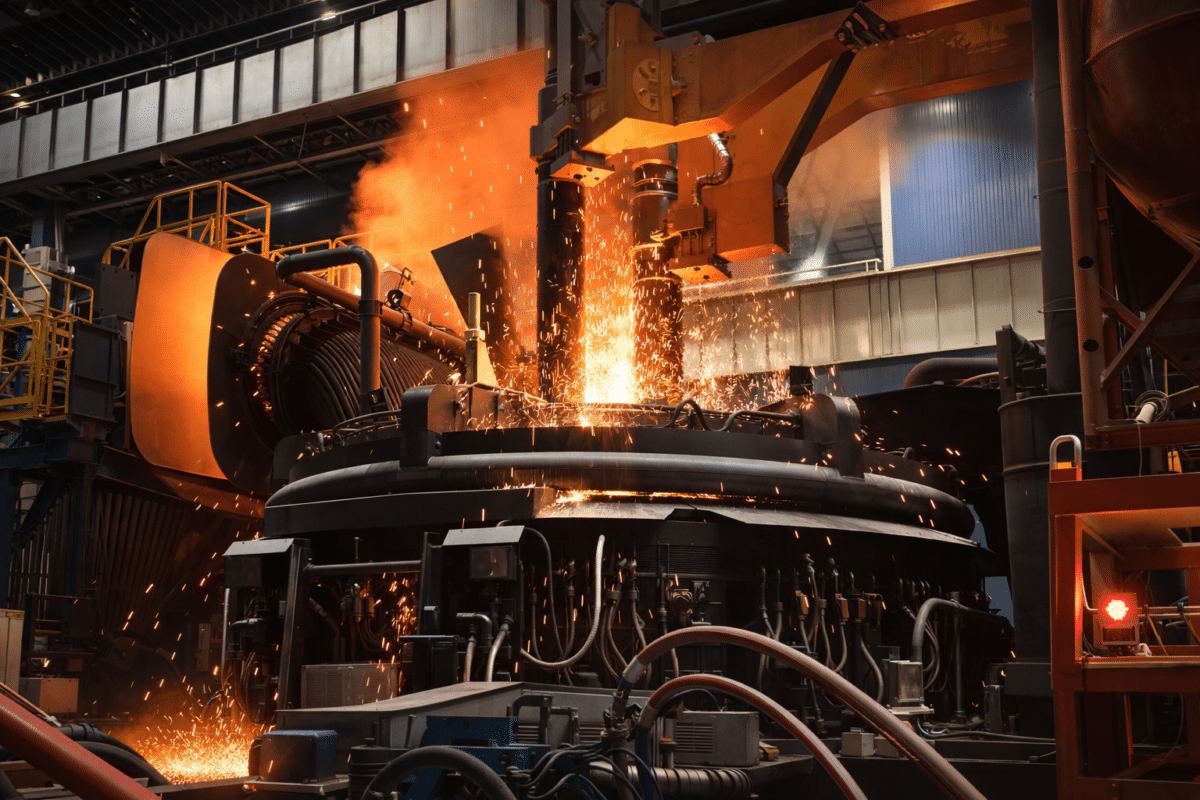
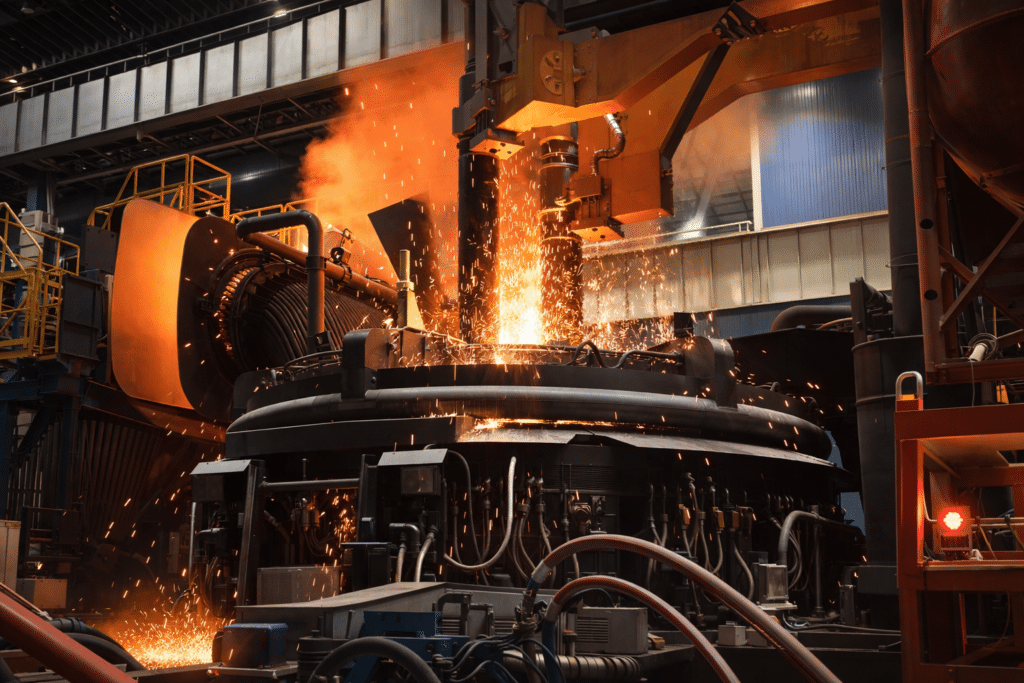
NZ Steel is commissioning a new Electric Arc Furnace (EAF) to replace the current coal‑based steelmaking process. This technology significantly reduces emissions because it uses electricity rather than coal as the primary energy source. Commissioning is expected to be complete by the end of 2026.

The change is expected to reduce the carbon footprint of NZ‑made steel by around 50%. Since the steel component represents the majority of the embodied carbon in KOROK® panels, this will dramatically reduce the carbon footprint of our product without any change to product performance or specification.

2. Steel as a Circular Material

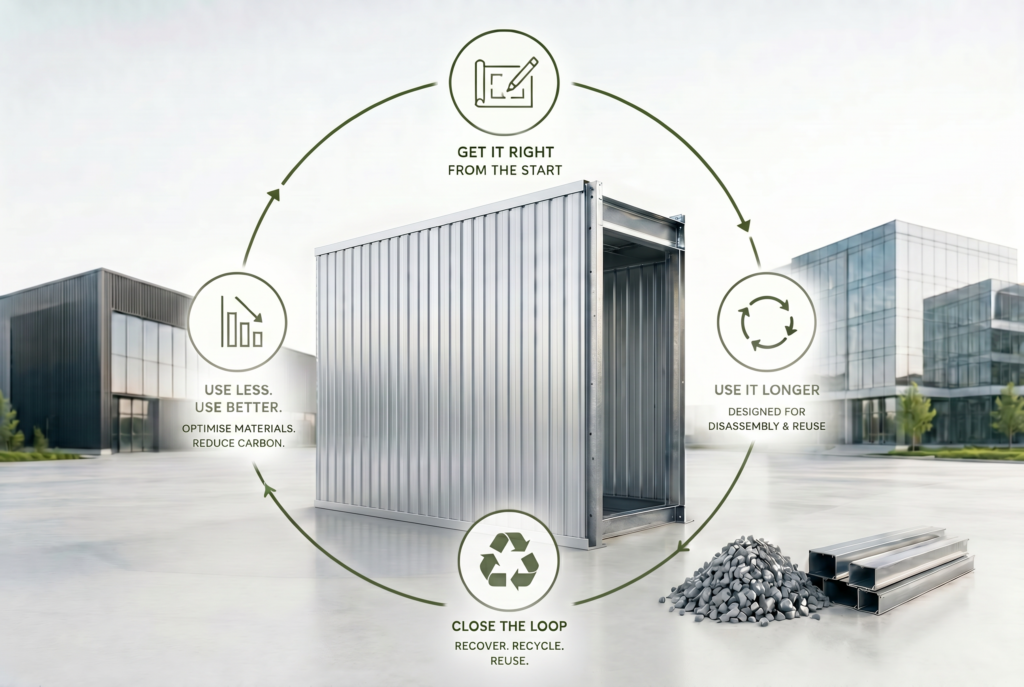
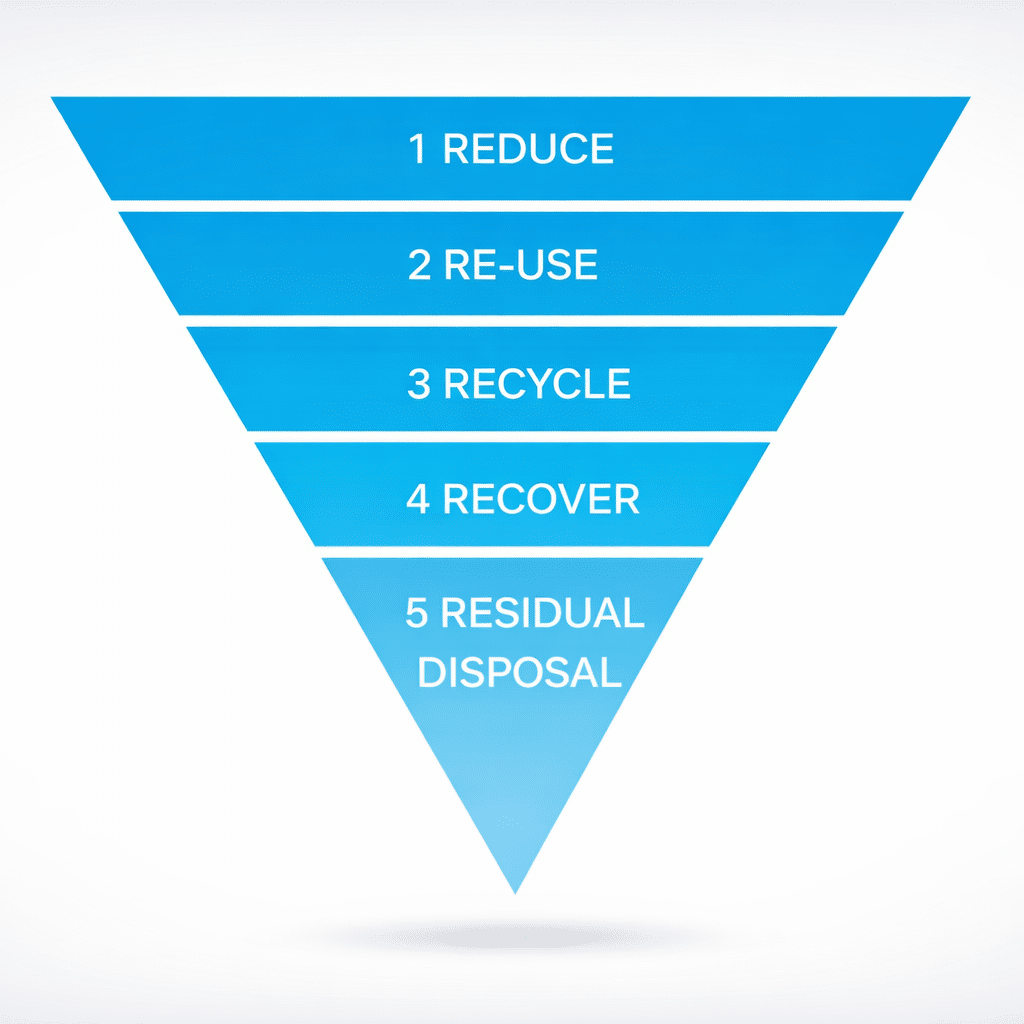
Steel is one of the most recyclable materials used in construction. It can be recycled indefinitely without loss of quality or structural performance.

This means the steel used in KOROK® panels can be recovered and reused repeatedly, supporting circular economy principles and reducing demand for new raw materials.

Sustainability Update - KOROK Panels Are About to Get a Whole Lot Lower‑Carbon

3. Durability and Longevity

The primary materials used in KOROK® panels—steel and concrete—are both known for their durability and long service life.

Concrete structures can last for many decades and often well over a century. Steel maintains its structural properties over time and can be recycled at the end of a building’s life. Because KOROK® panels are made from these long‑lasting materials, they contribute to buildings that require fewer replacements and less material use over time.

4. Deconstruction and Reuse

KOROK® panels can also be deconstructed and reconstructed rather than simply demolished. This allows materials to be reused in future building projects.

Designing buildings with components that can be reused helps reduce construction waste and extends the lifecycle of building materials.

5. Performance as a Sustainability Factor

Sustainability is not only about reducing carbon emissions—it is also about ensuring products perform reliably throughout the life of a building.

KOROK® panels are widely used because they provide exceptional fire and acoustic performance. Products that protect buildings from fire and control noise for decades without needing replacement contribute strongly to long‑term sustainable construction.

Want to know more about how these changes impact your project?

Read more

Visiting NZ Steel: Supporting a More Sustainable Future

Visiting NZ Steel: Supporting a More Sustainable Future

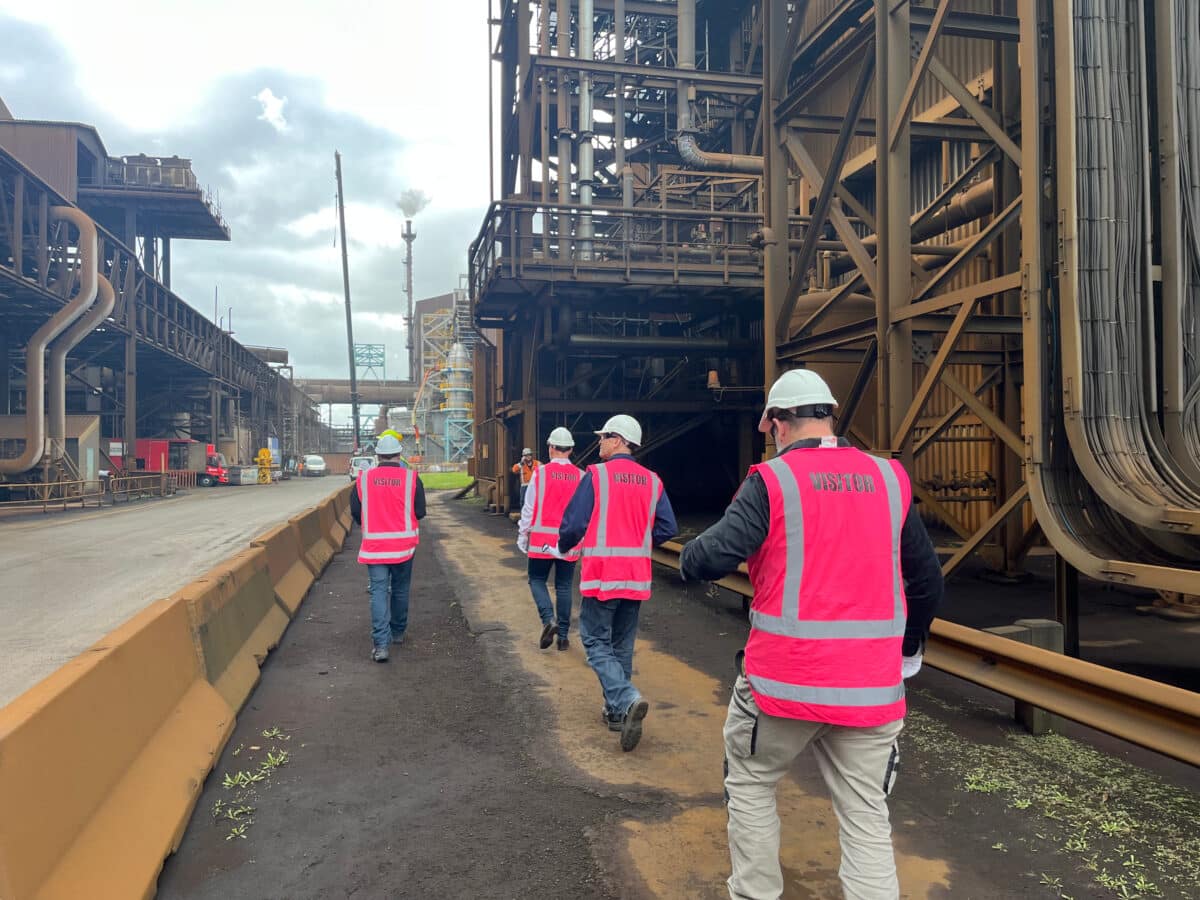
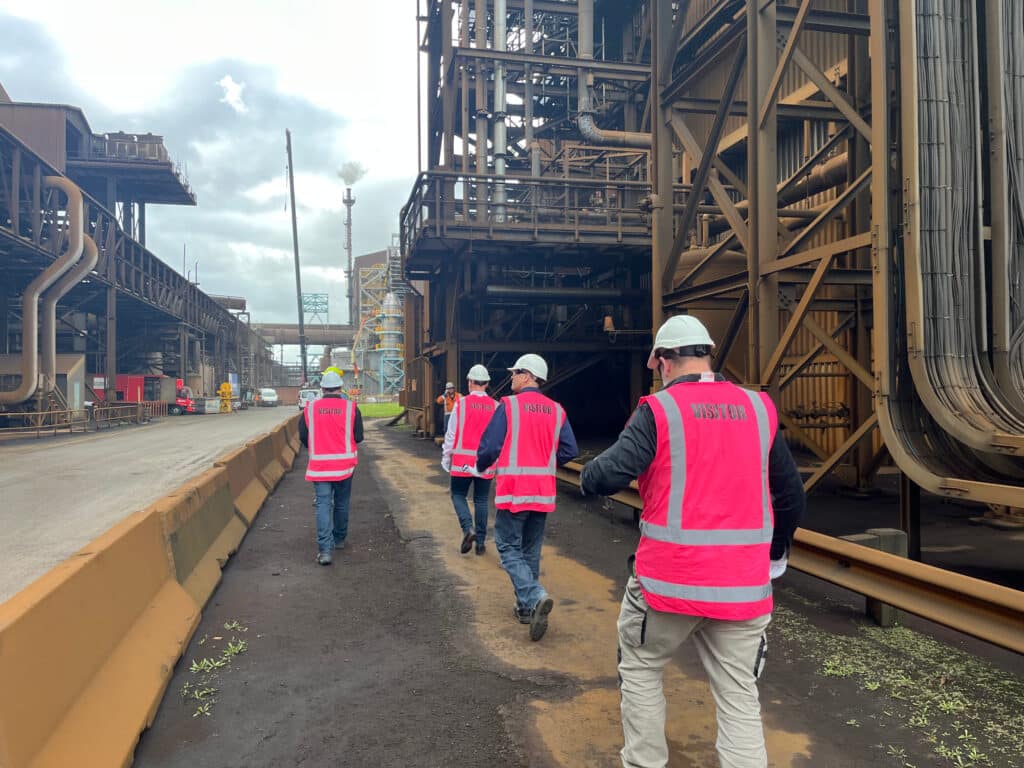
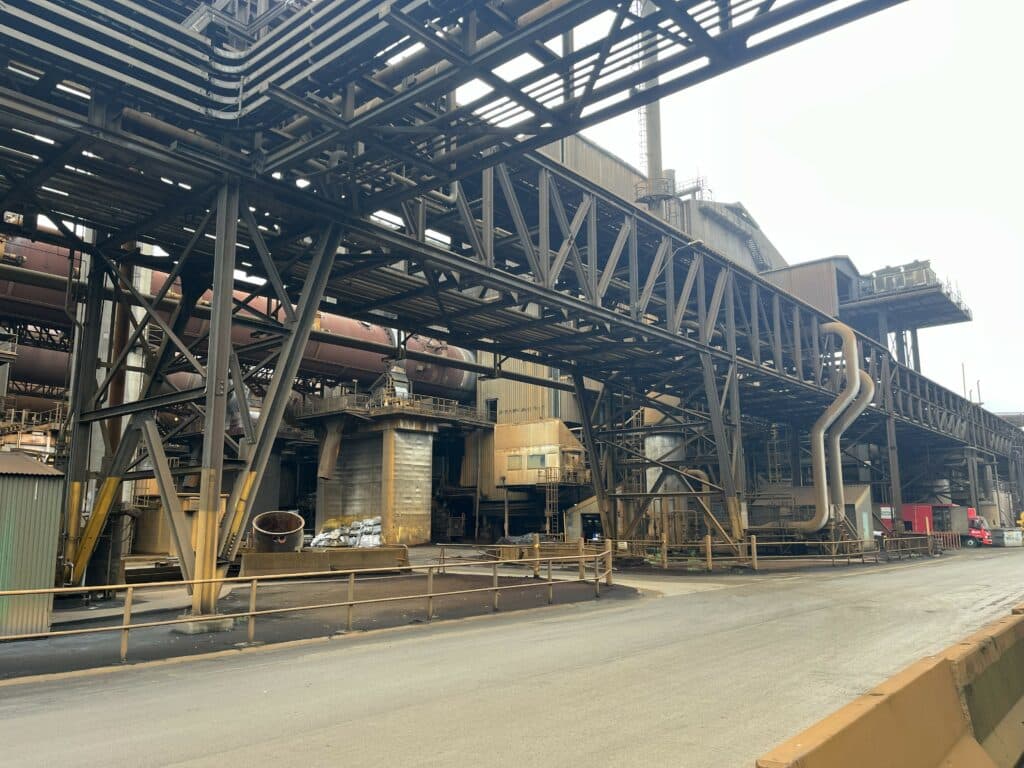
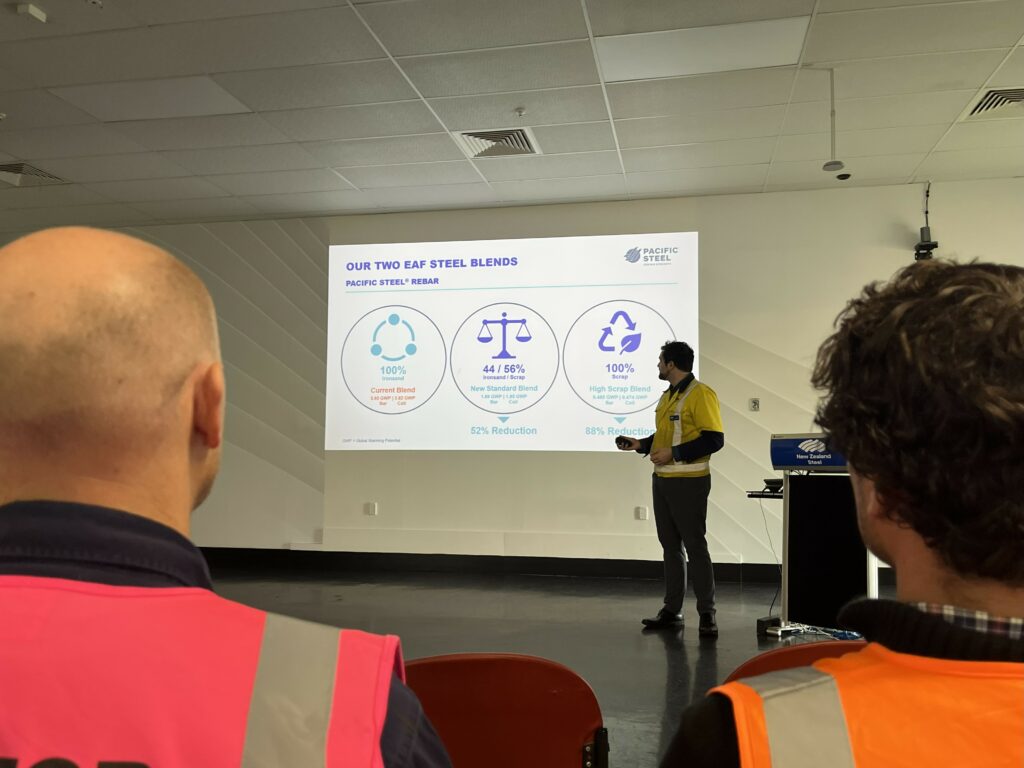
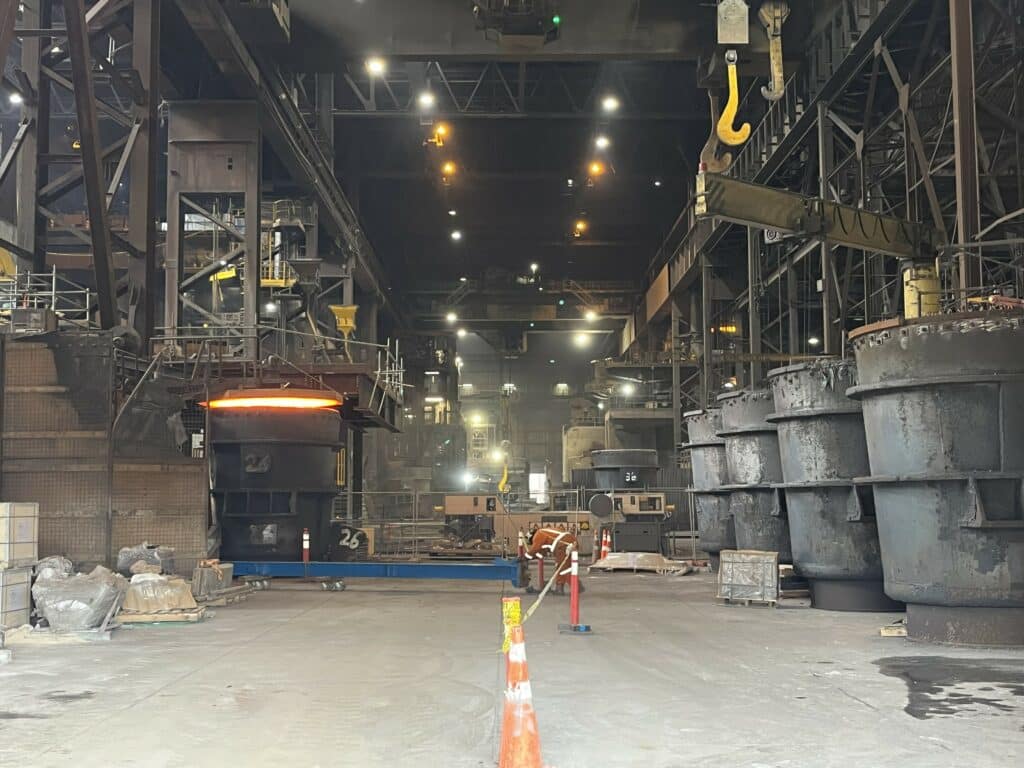
Some of our KOROK team members, including our Systems & Sustainability lead, recently visited NZ Steel’s Glenbrook site for a look behind the scenes at their game-changing Electric Arc Furnace (EAF) project.

This innovative project will replace two coal-fuelled rotary kilns at the Glenbrook steel mill, reducing NZ Steel’s carbon emissions by over 45%. The EAF will use renewable electricity and recycled scrap steel instead of coal, cutting NZ Steel’s carbon emissions by around 1 million tonnes a year  – that’s about 1% of New Zealand’s total emissions!

The project, supported by the New Zealand Government through the GIDI Fund, is expected to be operational by mid-to-late 2026, marking a significant milestone in New Zealand’s decarbonisation journey.

It was great to see this innovation up close and discuss how these advancements align with our own sustainability goals at KOROK.

Recent Articles

Read more
Indigo Hotel & Apartments

Indigo Hotel & Apartments

CASE STUDY

Indigo Hotel & Apartments

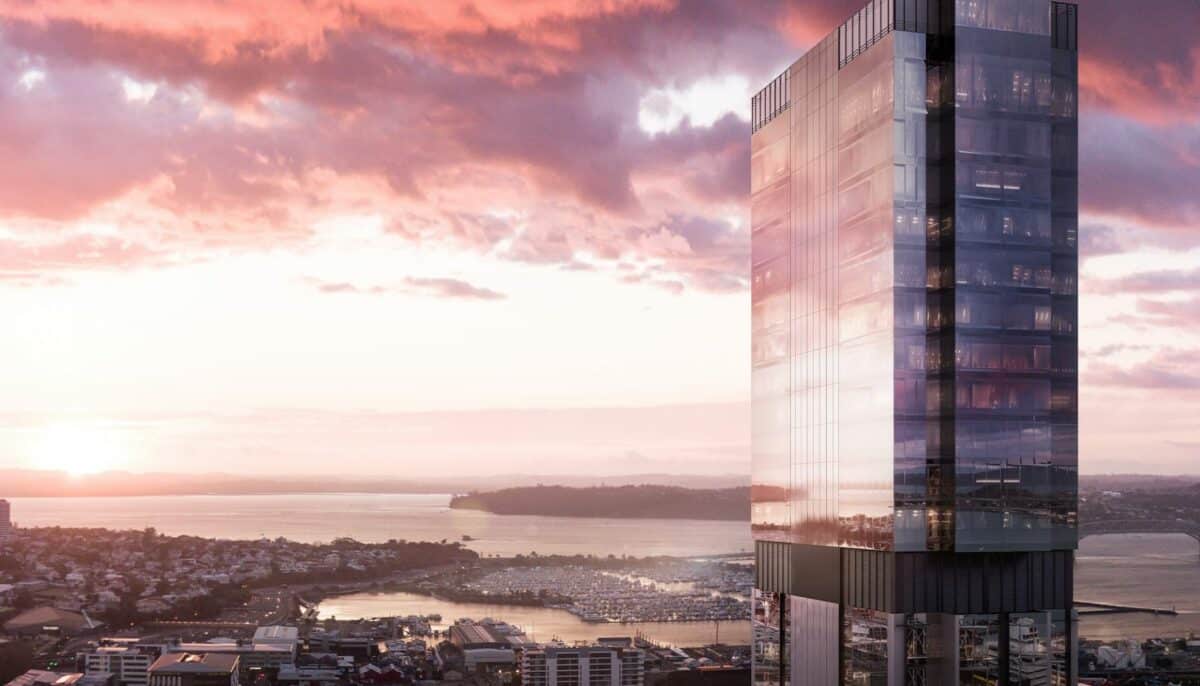
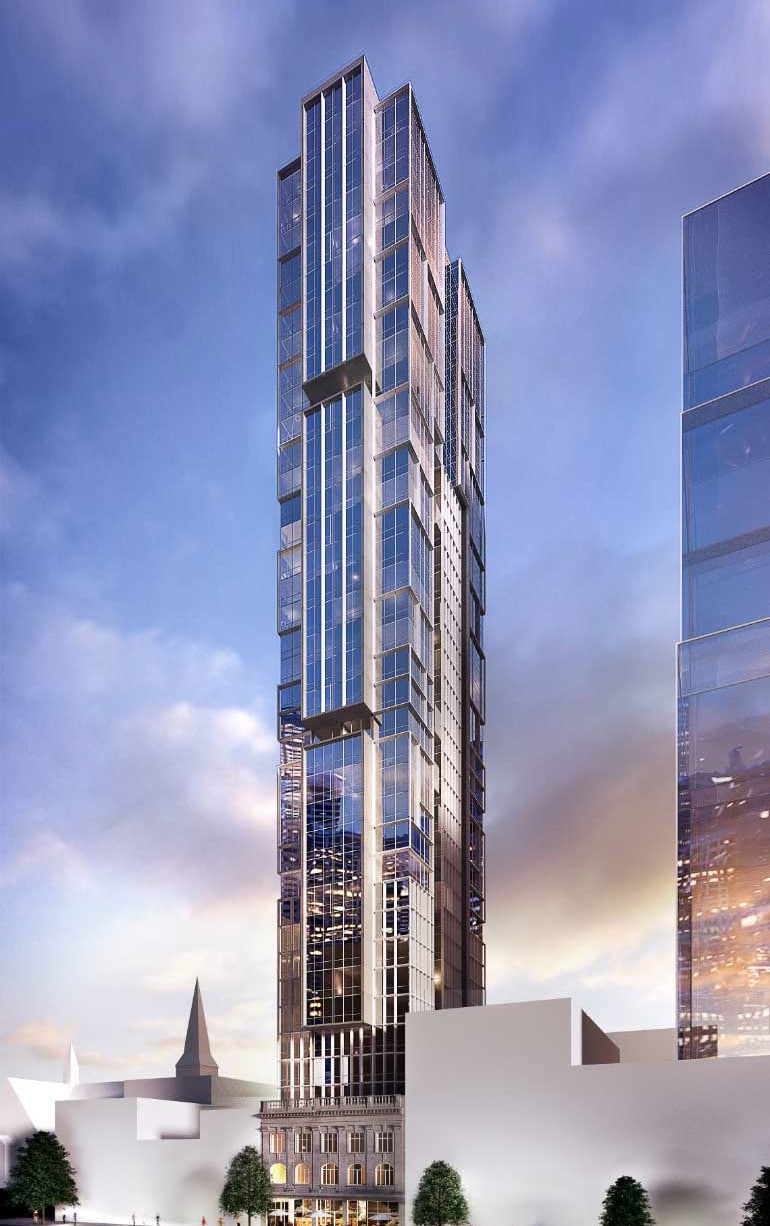
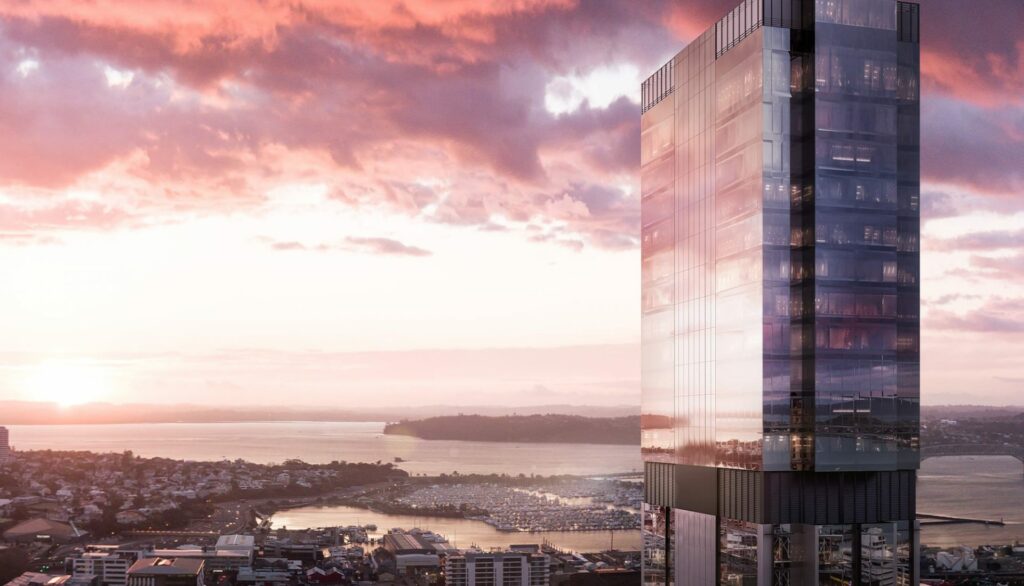
KOROK is proud to have contributed to one of Auckland’s most distinctive new developments — the Indigo Hotel and Apartments at 51 Albert Street. This iconic project brings together a 4.5-star lifestyle hotel, luxury branded residences, and vibrant food and beverage offerings, all within a uniquely challenging site: a slender 41-storey tower rising from a historic 1912 heritage façade.

Designed by Scott Carver and Dalman Architects and delivered by ICON Construction, the Indigo Hotel and Apartments is a shining example of how careful planning, construction innovation, and respect for heritage can work hand in hand to create a new city landmark.

The Challenge

The development’s highly constrained inner-city site presented several key construction challenges:

  • A tight building footprint within a heritage-listed façade.
  • Stakeholder sensitivities, with close proximity to neighbouring residents, businesses, and the historic St Patrick’s Cathedral.
  • The need for high productivity and precision construction techniques on a vertical build of this scale.

ICON Construction’s advanced project management systems and meticulous construction methodologies ensured these challenges were met head-on, delivering an exceptionally efficient build process.

KOROK’s Solution

To meet the stringent fire and acoustic performance requirements across the tower’s external walls, risers, and duct systems, KOROK supplied our 78mm fire and acoustic rated panel system.

Our panels were selected for their:

  • Lightweight nature, critical for high-rise construction.
  • Exceptional fire protection performance for vertical service penetrations and separation zones.
  • Superior acoustic insulation, ensuring a premium experience for both hotel guests and apartment residents.
  • Rapid installation advantages, helping ICON maintain construction momentum within a tight delivery program.

As a pre-finished system, KOROK panels also contributed to reducing on-site finishing work, a key benefit on a project with constrained site logistics and limited laydown space.

Project Highlights

The Indigo Hotel and Apartments development stands out not only for its scale but for its storytelling and celebration of Auckland’s evolving identity.

  • The hotel interiors creatively blend industrial elements with heritage materials such as exposed brick, reclaimed timber, and vintage automotive references.
  • The modern tower’s guest rooms maintain a refined industrial feel, incorporating subtle local cultural references that connect guests to the heart of the city.
  • The podium revitalizes Auckland’s historic entertainment district, contributing new life and energy to a growing cultural hub.

At KOROK, we are proud that our systems play a quiet but vital role in supporting developments like Indigo Hotel and Apartments — delivering life-safety, acoustic comfort, and buildability for landmark projects that help shape the future of our cities.

Related Projects

Read more
Sustainability

KOROK’s Sustainability Journey

KOROK’s Sustainability Journey

At KOROK, sustainability is a core value. Our journey towards carbon neutrality is marked by significant milestones that reflect our commitment to reducing our environmental impact and enhancing the eco-friendliness of our products.

2001 Launch into New Zealand Market.

KOROK, initially launched in New Zealand as SPEEDWALL, focused on improving construction with streamlined systems that reduced waste, minimised lining needs, and boosted efficiency. Our commitment to sustainability has been integral since the start.

  • Manufacturing Efficiency: Upgraded technologies to reduce energy use and optimise resources.
  • Wastewater Management: A modern treatment plant for recycling and reducing water impact.
  • By-product Reduction: Enhanced recycling processes to minimise waste.
Sustainability

2017: DECLARE Label

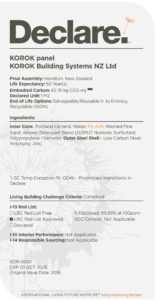
In 2017, we obtained the DECLARE Label, listing the ingredients in our products and aligning with the LEED green building rating system. This helped us meet industry standards and be included in GreenStar and HomeStar ratings.

April 2021: Joining NZ Green Building Council

In April 2021, we joined the New Zealand Green Building Council (NZGBC), supporting eco-friendly building practices.

December 2021: Environmental Choice New Zealand Licence

By December 2021, we obtained the Environmental Choice New Zealand Licence, recognising our products as better for the environment, enhancing our credibility among architects and builders and helping us gain accreditation for GreenStar and HomeStar products.

March 2023: Carbon Footprint Analysis

In March 2023, we conducted a carbon footprint analysis of our panels, meeting market demands and preparing for new NZ Building Code regulations.

April 2023: VOC Emissions Analysis

We analysed VOC emissions from our sealants in April 2023, addressing health concerns and meeting the demands of architects.

July 2024: Environmental Product Declaration (EPD)

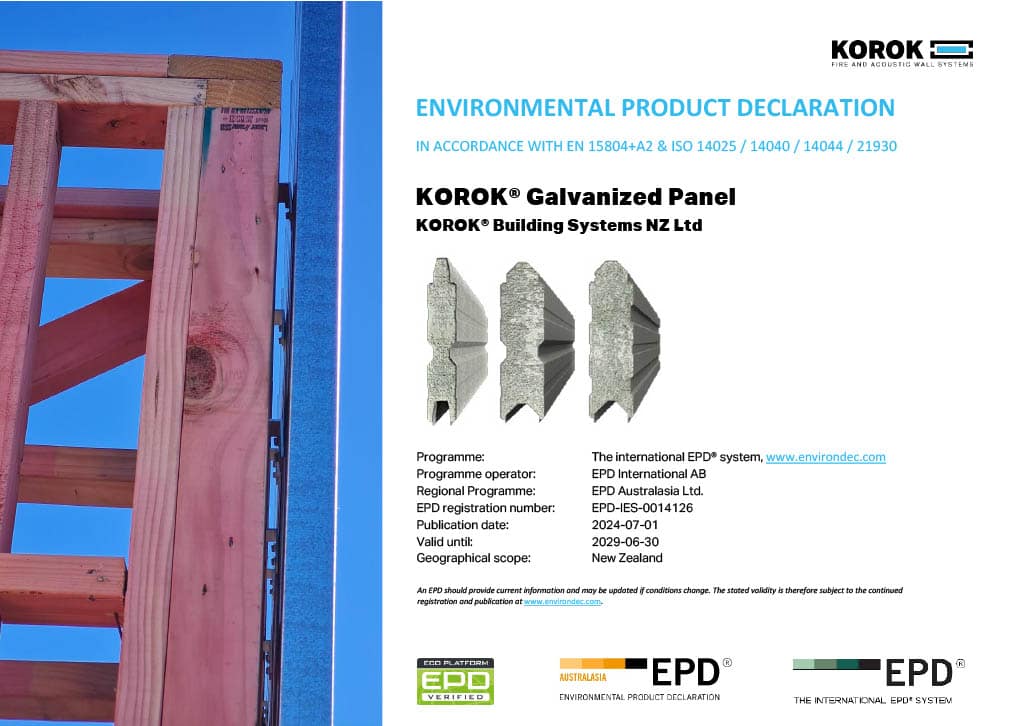
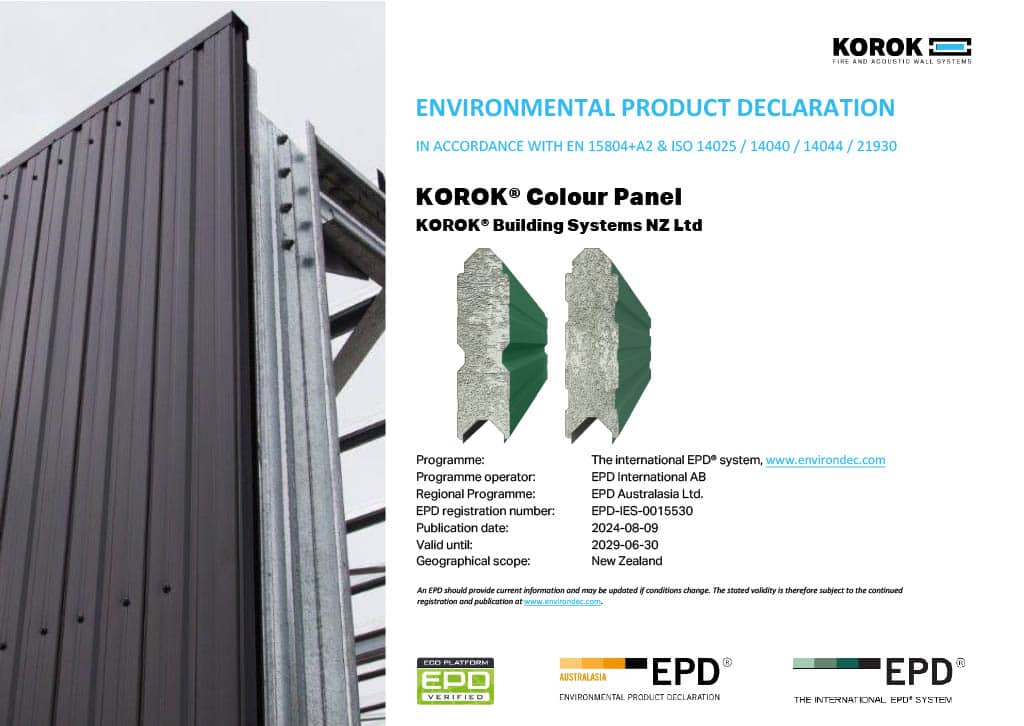
In July 2024, we completed our Galv Panel Environmental Product Declaration (EPD), followed by our Colour Panel EPD in August, providing a verified summary of our product’s environmental impact over their life cycle. These EPDs are recognised internationally and often specified in tender documents and contracts.

Ongoing Carbon Reduction Efforts

Our commitment to sustainability includes ongoing initiatives to reduce our carbon footprint:

  • Upgrading lighting to LEDs.
  • Converting forklifts from LPG to battery power
  • Recycling steel scrap.
  • Recycling office and kitchen waste.
  • Repurposing leftover concrete for clean fill.
  • Exploring options to reuse leftover concrete and alternative fibres.
  • Continuously reviewing and reducing printing.
  • Factory looking at swapping from cheap throwaway pneumatic punches to something more robust (May 24)
  • Even though an EPD is valid for 5 years, we will constantly review ours. We are looking forward to the changes that NZ Steel have planned for next year, moving from BOF furnaces (primary) to EAF furnaces (secondary). This will have a very positive impact on our Carbon footprint.

KOROK’s sustainability efforts highlight our commitment to reducing our environmental footprint. From the DECLARE Label to our EPDs, we continuously strive for improvement, aiming for a greener, more sustainable future.

Environmental Product Declarations (EPDs)

We are proud to announce the completion of our Environmental Product Declarations (EPDs), a testament to our commitment to transparency and sustainability. One for our Galv panel and one for our Colour panel.

What is an EPD?

An Environmental Product Declaration (EPD) is a certified, independently verified summary of a product’s environmental impact over its entire life cycle. It evaluates:

  • The materials extracted from the earth.
  • Energy used in the production, transportation and installation.
  • The environmental impacts of using, disposing, or recycling the product.

The EPD covers a range of environmental indicators, including the potential for carbon emissions, air and water pollution, and depletion of natural resources. Based on international standards (ISO 14025 and EN 15804 for building materials), our EPD is independently verified, making it a trusted and reputable source of information. It is recognized by industries, companies, and governments, and is often specified in tender documents and contracts.

Recent Articles

Read more
Sustainability

Sustainability

Slide 1

Sustainability

Leading Sustainable Solutions for a Cleaner Future

Our Commitment to Sustainable Waste Reduction

At KOROK, we’re driven by a clear mission: to deliver high‑performance fire and acoustic wall systems while actively reducing our environmental footprint. Our commitment to sustainability is reflected in every stage of our process, from smart manufacturing to product lifecycle design. By minimising waste and maximising resource efficiency, we ensure our customers receive solutions that are both technically superior and environmentally responsible.

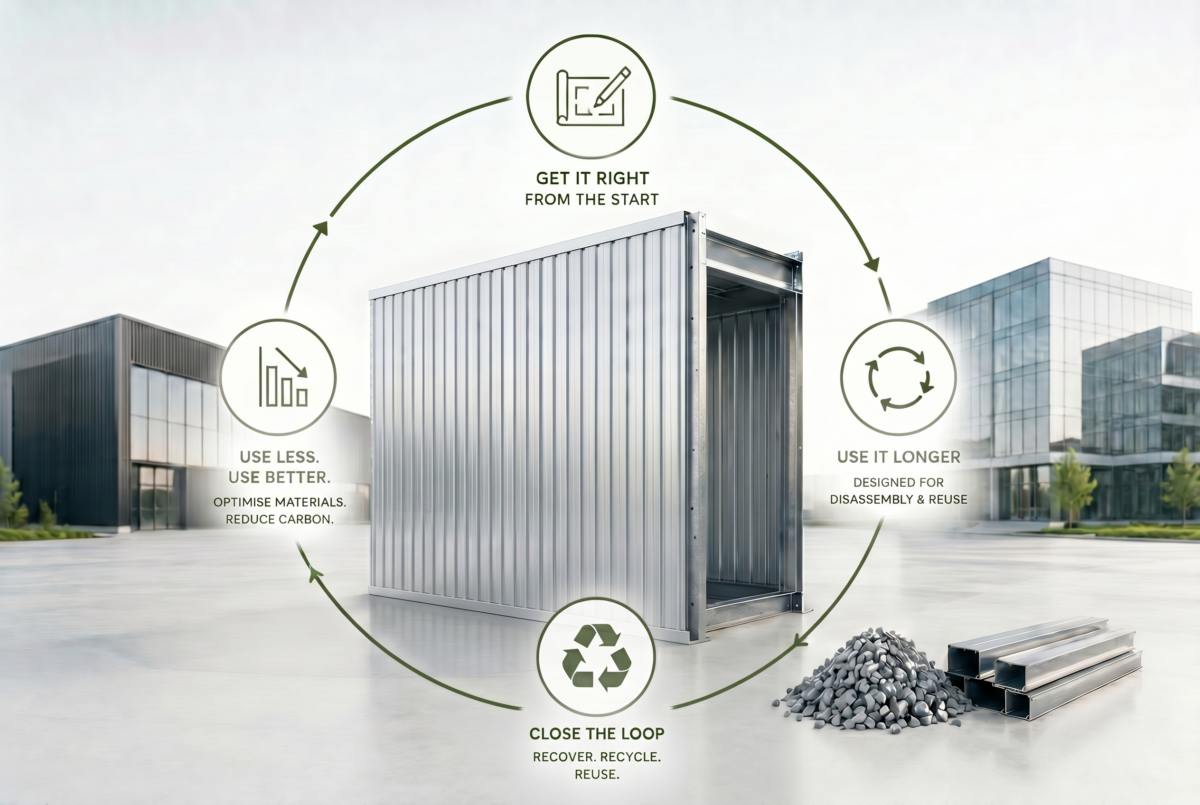
How KOROK Reduces Waste and Supports a Circular Future

Made to Order for Minimal Waste

Our panels are manufactured to order, ensuring every product is tailored to exact project specifications. This precision approach significantly reduces off‑cuts and eliminates unnecessary waste. Because each panel fits perfectly the first time, contractors benefit from higher efficiency, cleaner installations, and fewer disposal requirements.

Fully Reusable for Long-Term Flexibility

KOROK panels are engineered with reusability in mind. They can be disassembled and reinstalled multiple times without compromising performance—ideal for evolving commercial, warehouse, and retail environments. This adaptability not only lowers material consumption but also supports businesses seeking to reduce their environmental impact.

Fully Recyclable for a Sustainable End of Life

When a KOROK panel reaches the end of its service life, it remains part of a sustainable cycle. The system can be easily separated for recycling:

  • The concrete core is crushed and repurposed.
  • The steel casing is recycled for future use.

This closed‑loop recycling process ensures our products avoid landfill and contribute to a circular, low-waste construction ecosystem.

Environmental Product Declarations (EPDs)

We are proud to announce the completion of our Environmental Product Declarations (EPDs), a testament to our commitment to transparency and sustainability. One for our Galv panel and one for our Colour panel.

What is an EPD?

An Environmental Product Declaration (EPD) is a certified, independently verified summary of a product’s environmental impact over its entire life cycle. It evaluates:

  • The materials extracted from the earth.
  • Energy used in the production, transportation and installation.
  • The environmental impacts of using, disposing, or recycling the product.

The EPD covers a range of environmental indicators, including the potential for carbon emissions, air and water pollution, and depletion of natural resources. Based on international standards (ISO 14025 and EN 15804 for building materials), our EPD is independently verified, making it a trusted and reputable source of information. It is recognized by industries, companies, and governments, and is often specified in tender documents and contracts.

Officially Recognised

Declare

A DECLARE LABEL ANSWERS THREE QUESTIONS:

  1. Where does a product come from?
  2. What is it made of?
  3. Where does it go at the end of its life?

Declare is a transparency platform and product database that is changing the materials marketplace.

See the full details.

Read more