BNZ Place: A Testament to Innovation and Sustainability
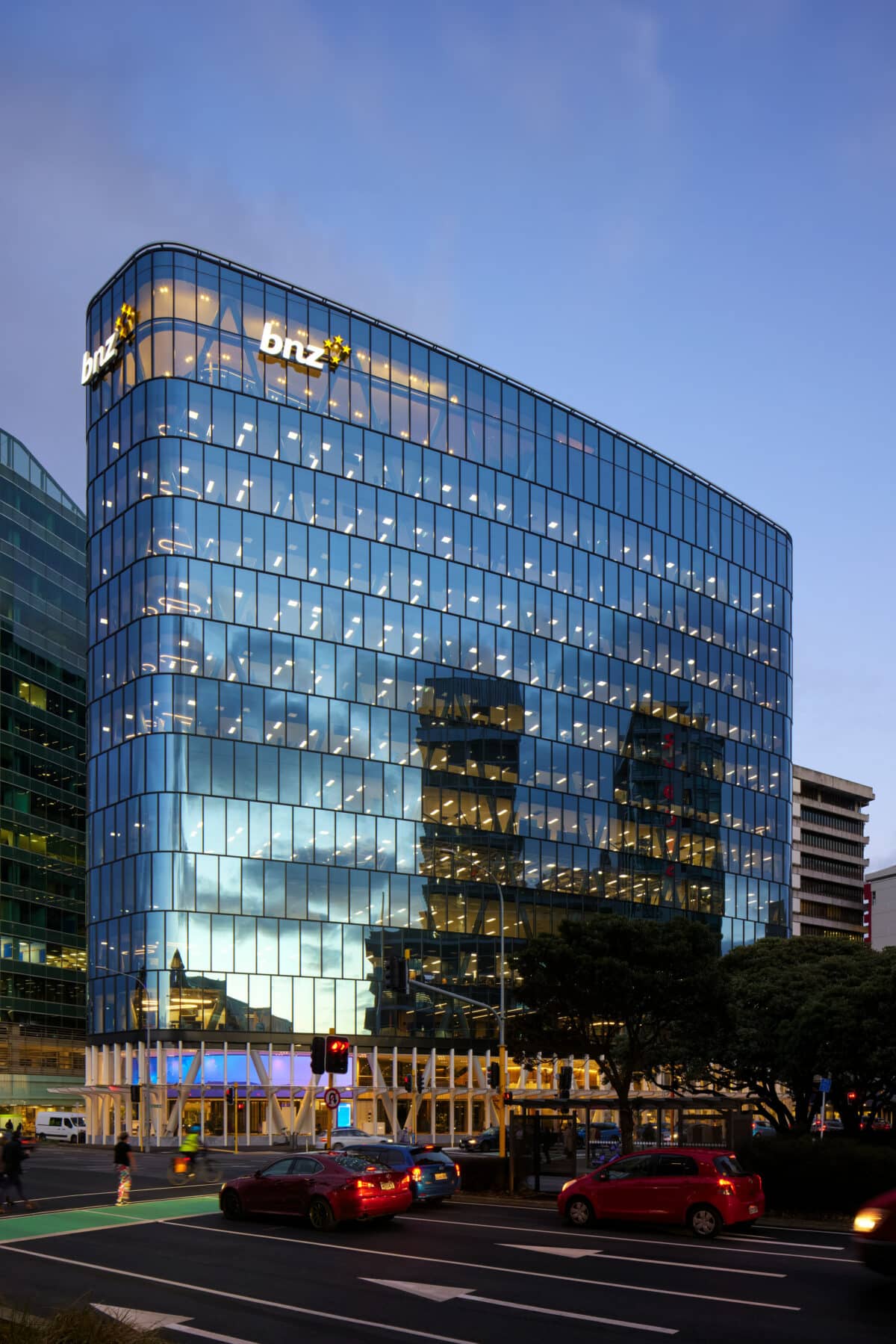
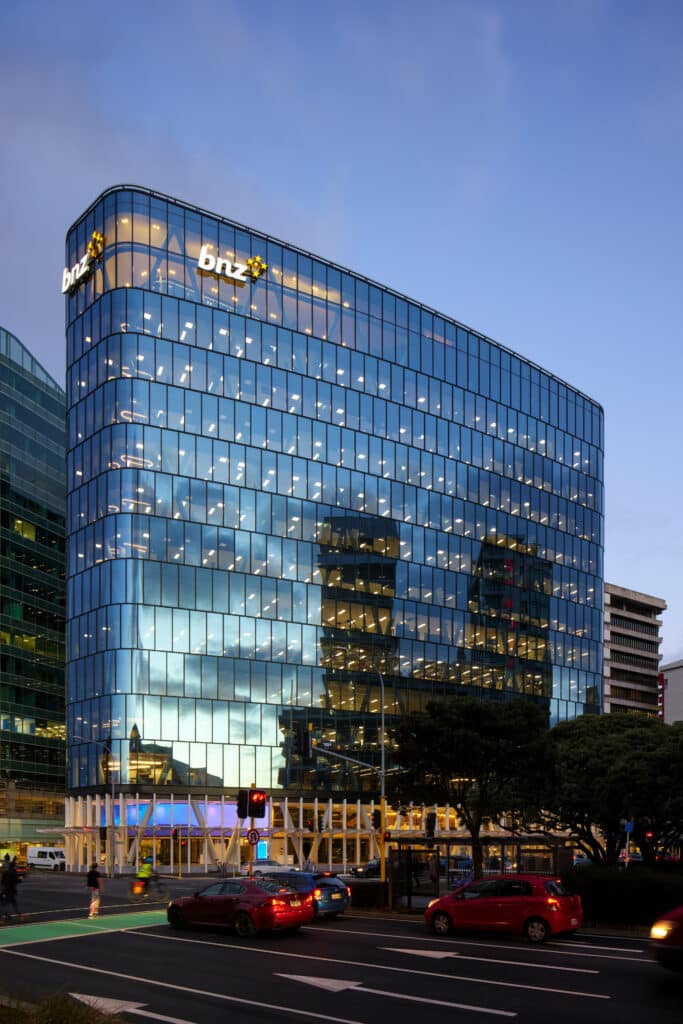
After nearly four years of design and construction, BNZ Place at 1 Whitmore Street in Wellington is officially open. This 12-storey, 17,000m² building, a collaborative effort between Studio Pacific Architecture and Jasmax, epitomizes practical and purposeful workplace design, combining sustainability, wellbeing, and functionality.
BNZ Place is one of the most seismically resilient buildings in New Zealand, featuring base isolation to protect against significant structural damage during earthquakes. Raised on a plinth to minimize flood risks and supported by piles extending 60 meters below ground, the building exceeds seismic strength requirements with an NBS rating above 180%.
Innovative Features and Sustainability
Targeting a 5 Green Star As-Built rating, BNZ Place incorporates high-performance solar control glass, energy-efficient systems, and a structural steel diagrid. Efficient floorplates, a double-height entry lobby, inter-floor stairs, and a rooftop courtyard contribute to its state-of-the-art design.
KOROK’s Contribution
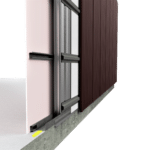
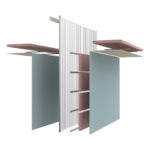
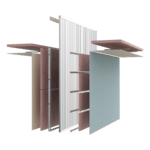
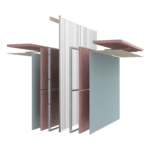
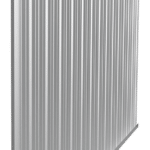
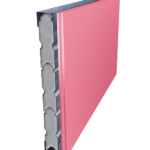
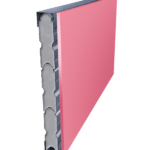
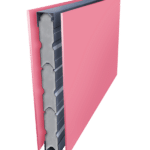
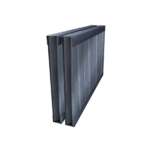
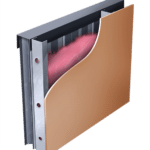
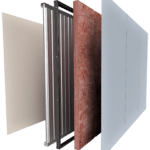
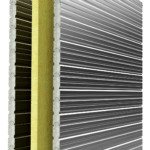
KOROK played a crucial role in the construction of BNZ Place by supplying fire and acoustic walls for lift shafts, risers, and ducts. KOROK panels offer significant advantages over traditional construction, as they can be installed from one side only, eliminating the need for scaffolding inside shafts and reducing construction time and costs. Additionally, KOROK panels can be installed before the structure is watertight, preventing water ingress through open shafts.
A Collaborative Effort
The project involved collaboration with various stakeholders, including Newcrest LP, the developer behind the building. CEO Dan Huggins emphasized BNZ’s commitment to Wellington and its future. “BNZ Place reflects our commitment to the city and our vision for the future. We are thrilled to share this vibrant and innovative space with our customers, colleagues, and the people of Wellington,” he said.
BNZ Place at 1 Whitmore Street symbolizes resilience, innovation, and sustainability. With its doors now open, it stands as a testament to collaboration, forward-thinking design, and a commitment to a better future for Wellington.
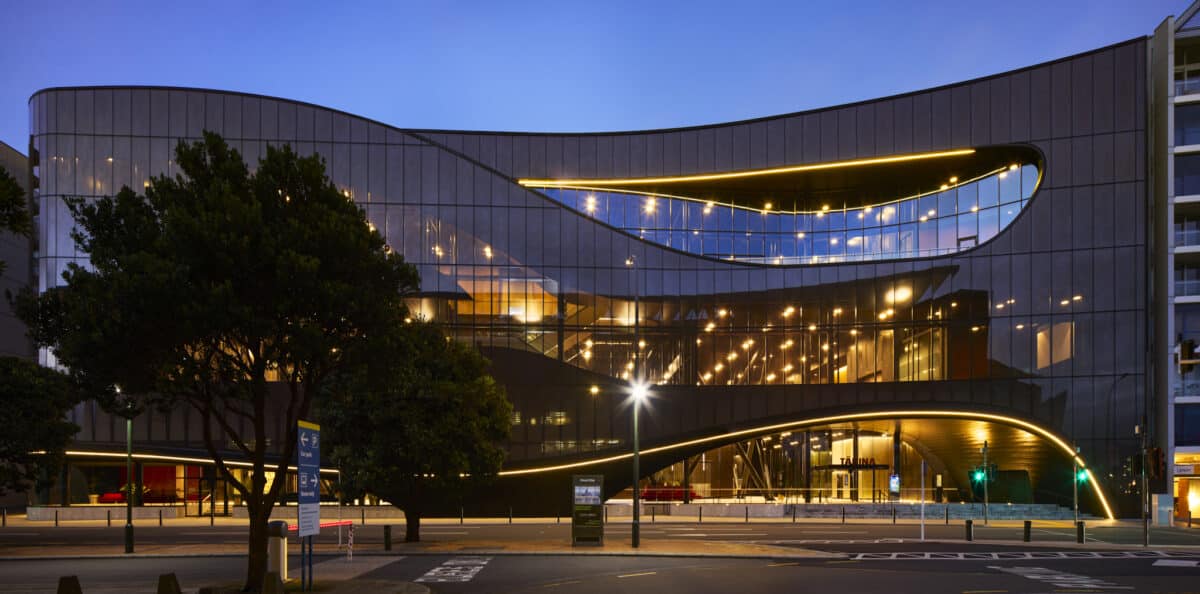
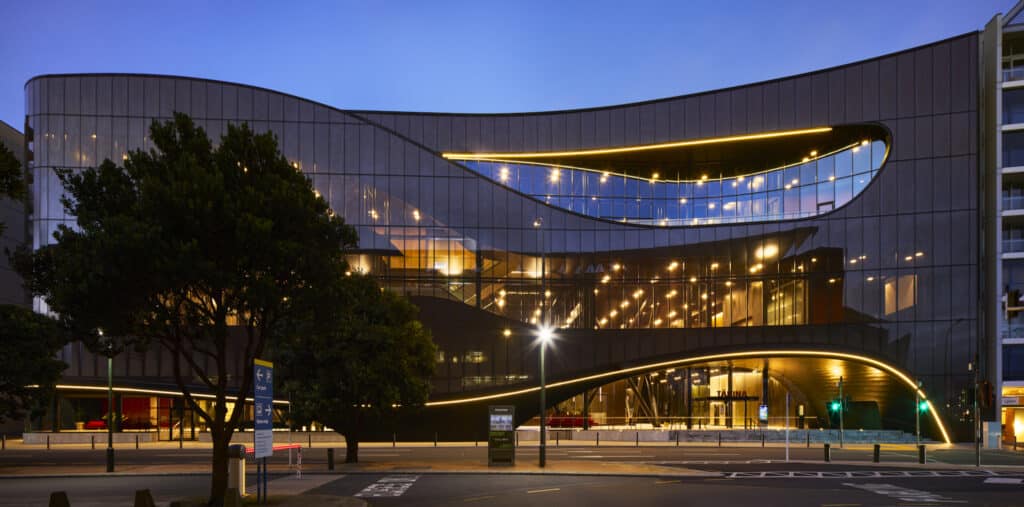
Situated directly across from the New Zealand Museum, Te Papa, Tākina is a modern facility spread across three floors. The upper levels offer extensive conference spaces accommodating up to 1600 delegates, while the ground floor is dedicated to international and domestic exhibitions. Built to a 5-Star Greenstar standard, Tākina exemplifies sustainable building practices in New Zealand. We commend LT McGuinness Ltd for their exceptional leadership and execution throughout the Tākina project. Their focus on quality, safety, and innovation ensured that Tākina achieved high standards in fire safety, acoustic control, and construction efficiency.
Earthquake Protection: Tākina’s structural resilience is ensured by 32 base isolators, allowing for movement up to 750mm in any direction.
Innovative Design: The building features an expansive curtain wall, curved entries, and large stud heights, which posed unique construction challenges that were successfully managed.
Health and Safety: Despite the complexities, the project saw no major accidents, highlighting the effectiveness of rigorous health and safety protocols.
Budget and Timeline: With a transparent tender model and precise planning, the project was completed within budget and on schedule, despite market fluctuations.
KOROK Contribution
Product Supplied: 78mm Panels Gen 2
Service Provided: Lift Shafts, Risers, Ducts Fire and Acoustic Rated Protection
KOROK is proud to have supplied our 78mm Panels Gen 2 for the Wellington Convention and Exhibition Centre. Our participation in this project enabled us to enhance the efficiency of both the design and construction phases.
Key Features and Benefits of KOROK Panels:
Single-Side Installation: Panels can be installed from one side only, eliminating the need for scaffolding inside the shaft, which reduces construction time and costs.
Early Installation: KOROK panels can be installed before the structure is fully watertight, helping to prevent water from entering the building through open shafts.
Cost and Time Efficiency: The innovative design of KOROK panels streamlines the construction process, resulting in faster program times and overall cost savings.
The Wellington Convention and Exhibition Centre showcases modern architectural design and the performance of KOROK products. By choosing KOROK, LT McGuinness Ltd ensured that Tākina met high standards of fire safety, acoustic control, and construction efficiency. We are pleased to have contributed to this significant project, enhancing Wellington’s skyline and setting a benchmark in sustainable construction. For more information on how KOROK can enhance your next project, please contact us.
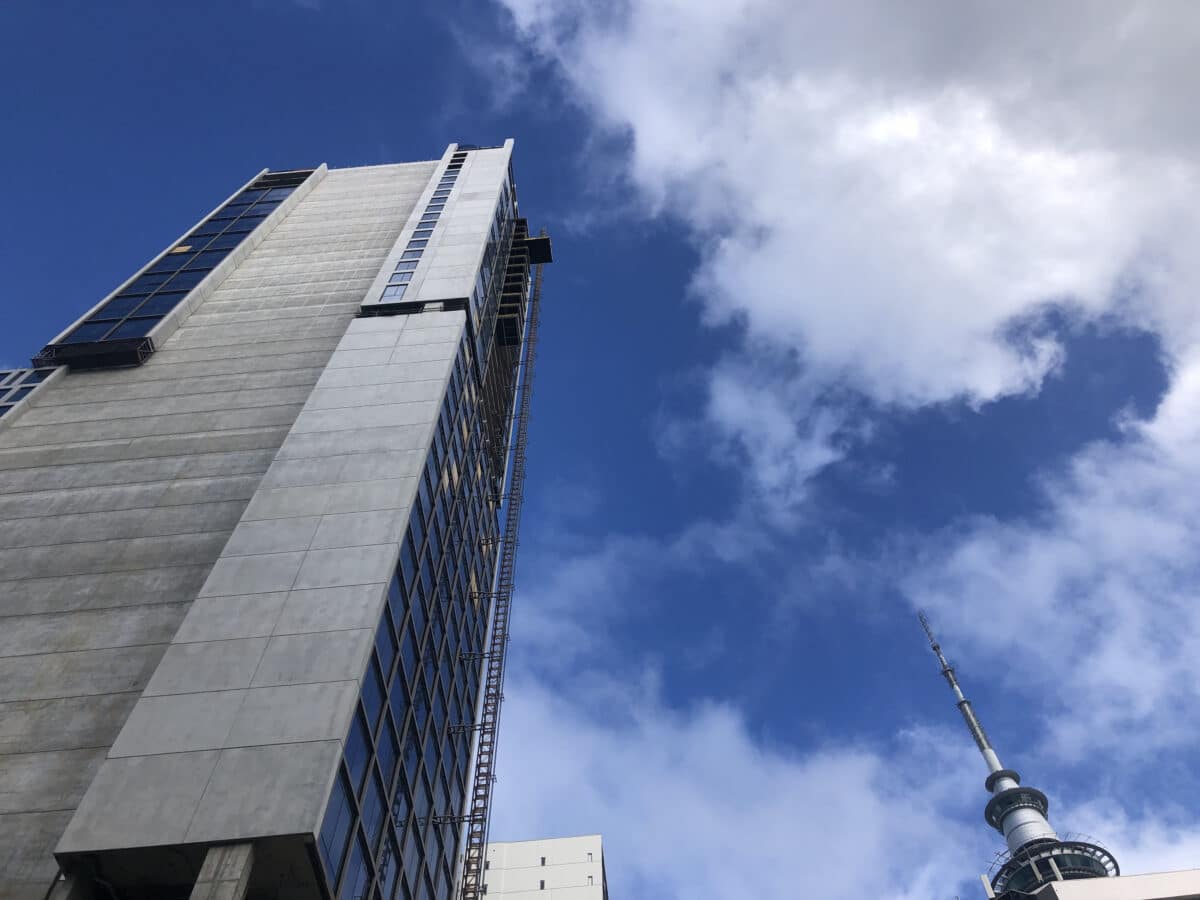
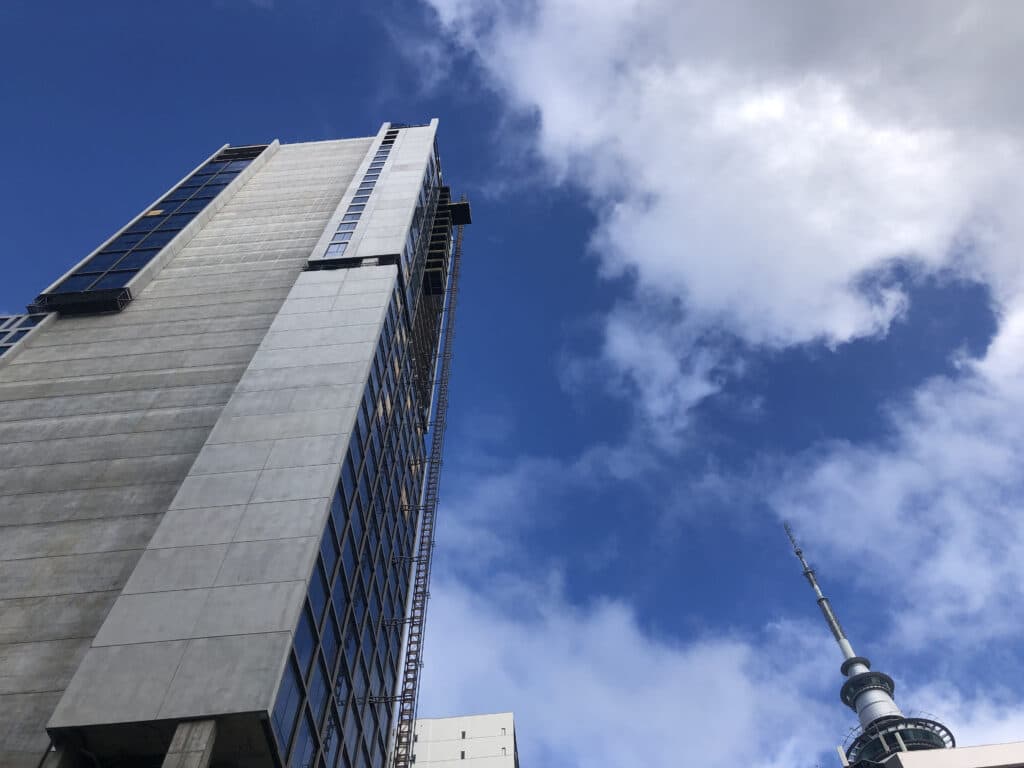
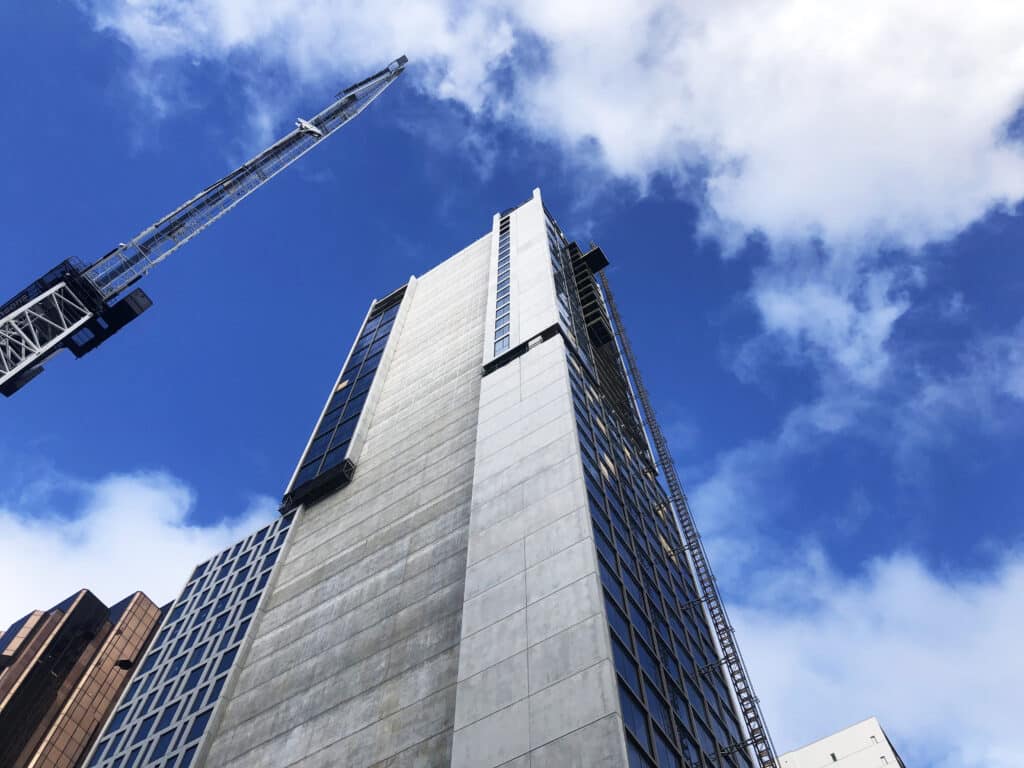
KOROK® was involved in the construction of a dual-branded hotel in Auckland’s Central Business Precinct. Located at the corner of Albert and Wyndham Streets, this project, led by Icon NZ, began in 2019 and was completed in December 2021. The VOCO-HIE development is a 38-story building, standing approximately 135 meters tall, making it one of New Zealand’s tallest structures. The building offers expansive views across Waitemata Harbour and Mount Eden, featuring a modern design.
A 4-story glazed podium with separate entries for both hotels.
Guest services such as an all-day restaurant, bar, fitness center, and retail spaces.
294 Holiday Inn Express rooms on the lower floors.
200 VOCO Hotel rooms on the upper floors.
The VOCO brand, chosen by global hotel operator IHG, emphasizes sustainability through initiatives like recycling plastic bottles for bedding and using honey from onsite bees. The Auckland VOCO hotel continues these practices, alongside the ‘Me Time’ concept focusing on premium beds, superior showers, user-friendly technology, and innovative lighting.
KOROK®’s Contribution
KOROK® provided high-performance fire and acoustic wall systems for the VOCO-HIE development. Key highlights include:
Fire Protection: KOROK® systems offer up to a 2-hour fire rating, ensuring strong fire safety.
Acoustic Performance: The systems exceed the minimum STC 55 rating for hotels, achieving an STC 63 rating, ideal for ensuring a quiet environment for guests.
Design and Installation: KOROK®’s interlocking panels simplified and sped up installation, reducing labor costs and construction time. The panels’ clip-together design allowed for easy installation by a small crew, with comprehensive installation guides and on-site training provided.
Space Efficiency: The small footprint of KOROK® panels maximized usable floor space, offering developers greater flexibility in building design and planning.
Environmental Commitment
KOROK® panels were manufactured in New Zealand from locally sourced materials and were custom-made to minimize waste. They are fully recyclable and reusable, aligning with the sustainable ethos of the VOCO brand.
Collaboration and Innovation
KOROK® and Icon NZ collaborated closely to devise solutions for lift shafts and staircases, reflecting a commitment to quality and innovation in construction.
KOROK® was proud to contribute to the VOCO-HIE dual-branded hotel project, providing high-performance fire and acoustic wall systems that supported the building’s design and sustainability goals. This project showcased KOROK®’s dedication to quality and innovative building solutions.
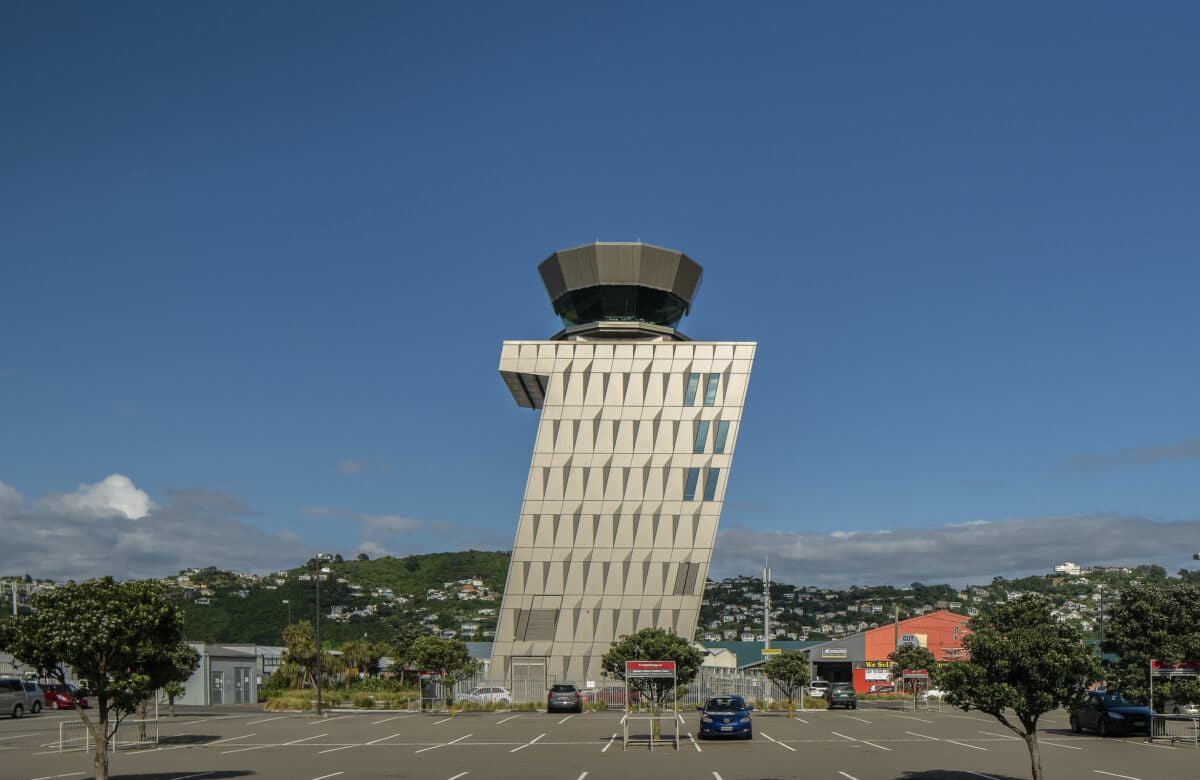
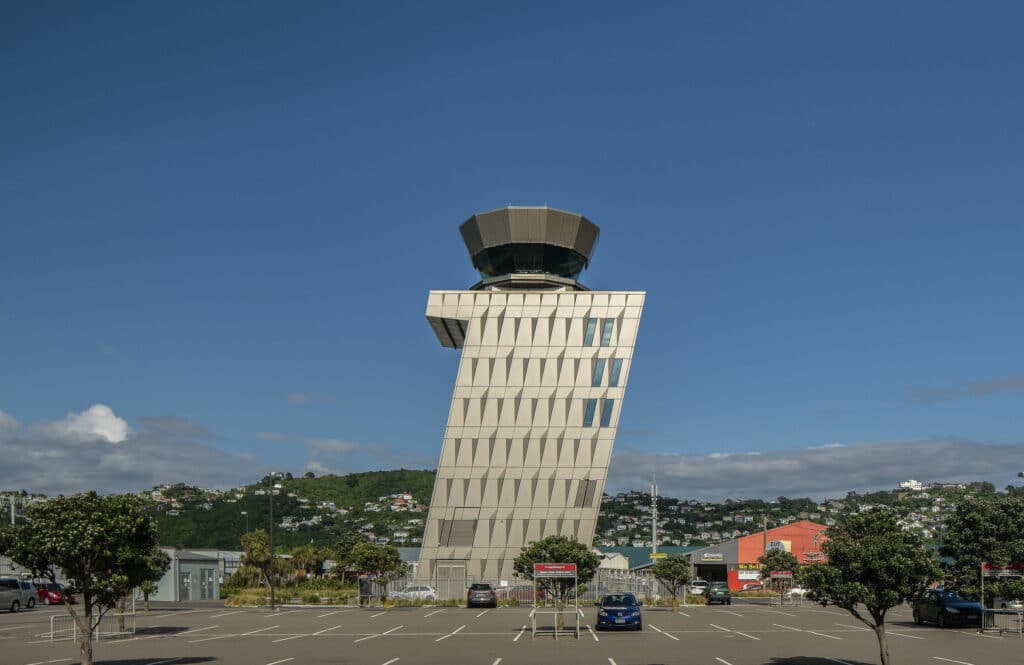
Wellington Airport welcomed a new state-of-the-art air traffic control tower in August 2018, designed to handle the airport’s demanding operations with over 97,000 flights annually. Standing 32 metres tall, the tower provides panoramic views across the airfield, ensuring air traffic controllers have optimal visibility to manage air traffic safely and efficiently.
This iconic structure is one of New Zealand’s safest buildings, meeting 100% of the building code for its importance level. The tower’s base includes 13 advanced base isolators to deliver superior earthquake resilience, a critical feature in Wellington’s seismic environment.
KOROK® was proud to contribute to this project, supplying 78mm fire-rated acoustic panels for the lift shafts, risers, and ducts. Our systems are specifically designed to streamline construction and improve safety on site. By allowing installation from just one side, scaffolding inside the shaft is not required, reducing both construction time and costs.
Our panels offer superior fire resistance, acoustic performance, and seismic resilience, making them the ideal solution for high-importance structures like the Wellington Airport control tower.
Why KOROK®?
Efficient Installation: No need for internal scaffolding, speeding up project timelines.
Superior Fire Protection: KOROK® systems ensure compliance with fire safety regulations.
Acoustic Performance: Helps to minimize noise pollution in critical areas like lift shafts and risers.
Seismic Resilience: Engineered for enhanced stability in earthquake-prone zones.
The Wellington Airport control tower is a landmark project, showcasing KOROK®’s capabilities in delivering advanced, resilient building systems for critical infrastructure.
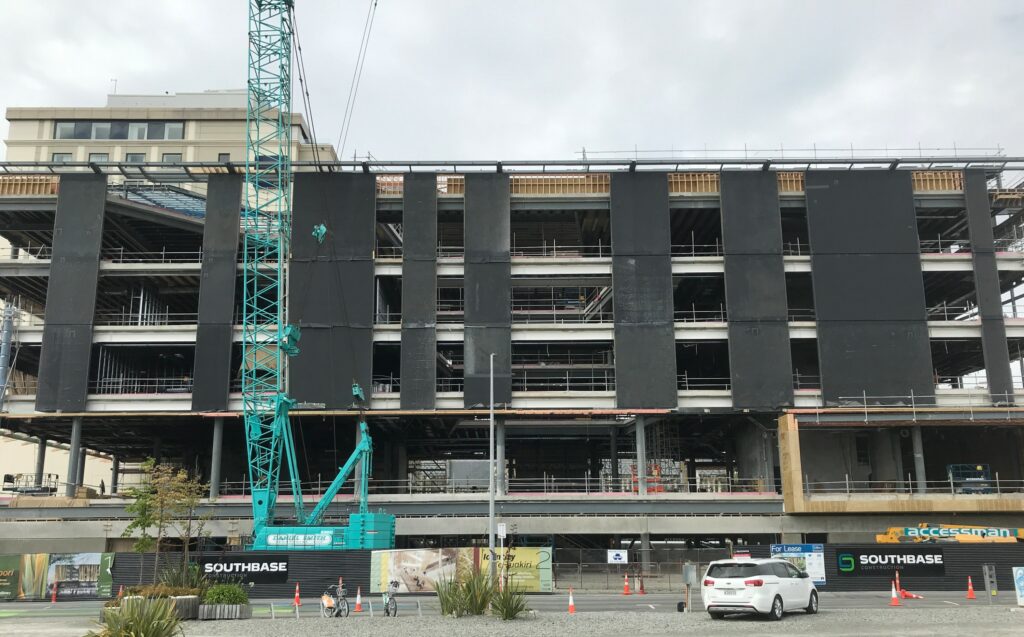
KOROK Fire and Acoustic Wall Systems at Tūranga Library, Christchurch
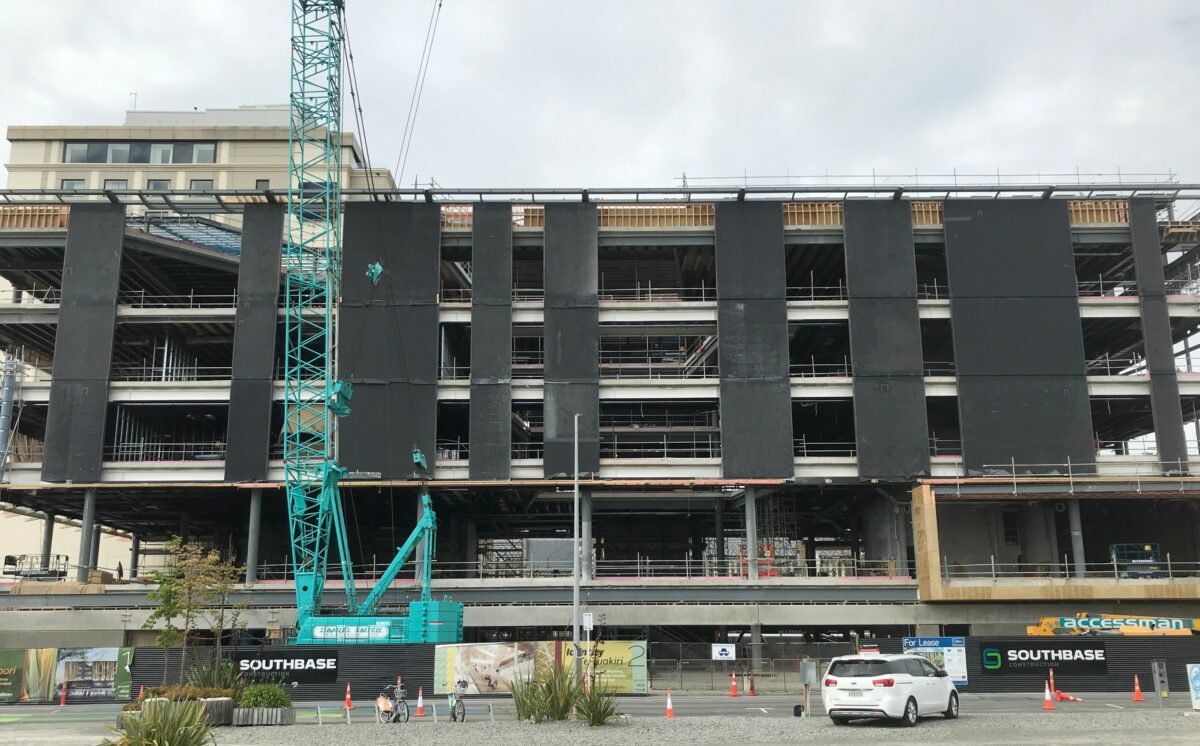
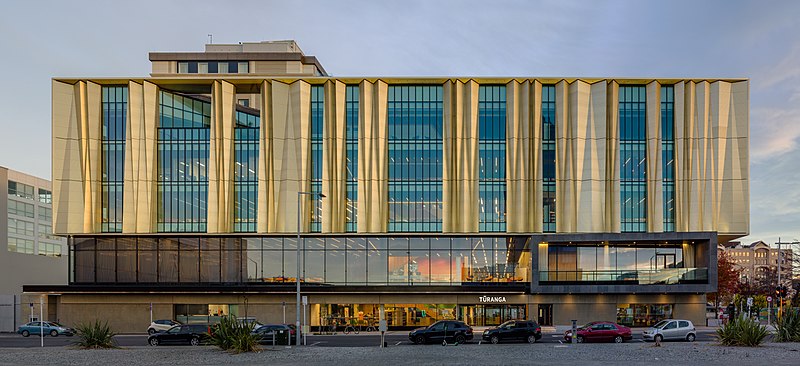
KOROK proudly contributed to the Tūranga Library project in Christchurch, New Zealand, which opened its doors in October 2018. As a replacement for the Christchurch Central Library, which was damaged during the 2011 Christchurch earthquake, Tūranga stands as a modern architectural masterpiece. Designed by New Zealand firm Architectus in collaboration with the award-winning Danish firm Schmidt Hammer Lassen, the library’s striking design reflects the golden hues of Christchurch’s Port Hills. KOROK’s fire wall and acoustic wall systems were installed in the building’s lift shafts, risers, and ducts, providing superior fire protection and sound insulation to support the library’s functional and safety needs.
Fire and Acoustic Rated Wall Systems for Shafts, Risers, and Ducts
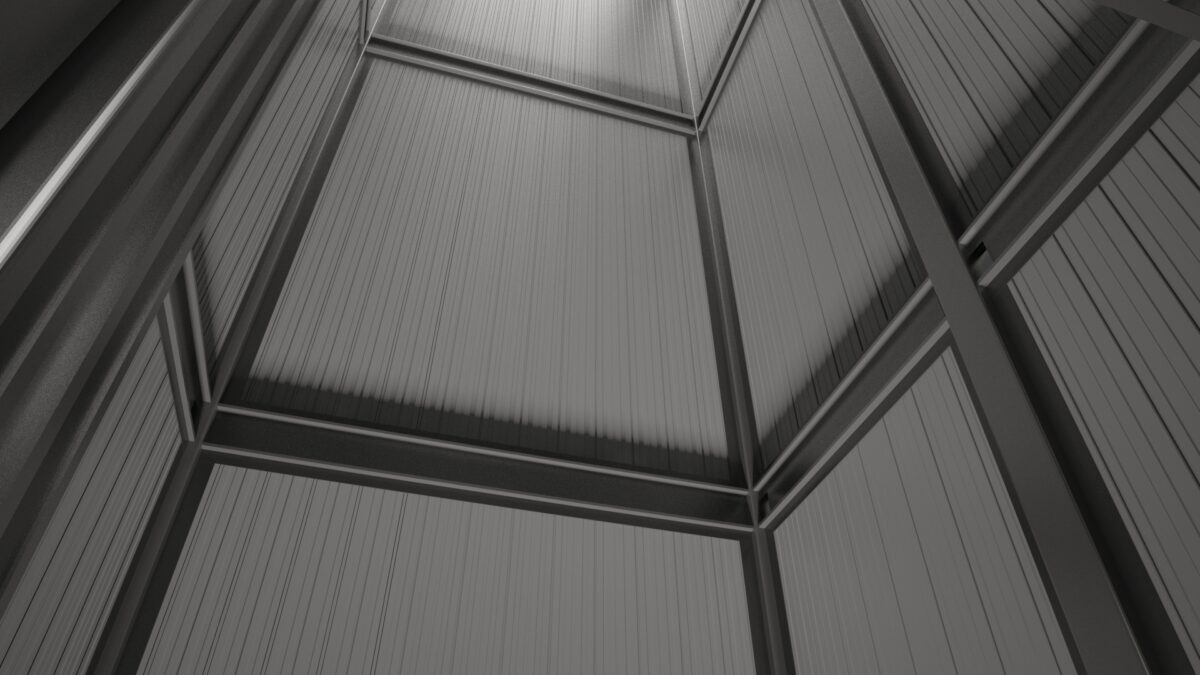
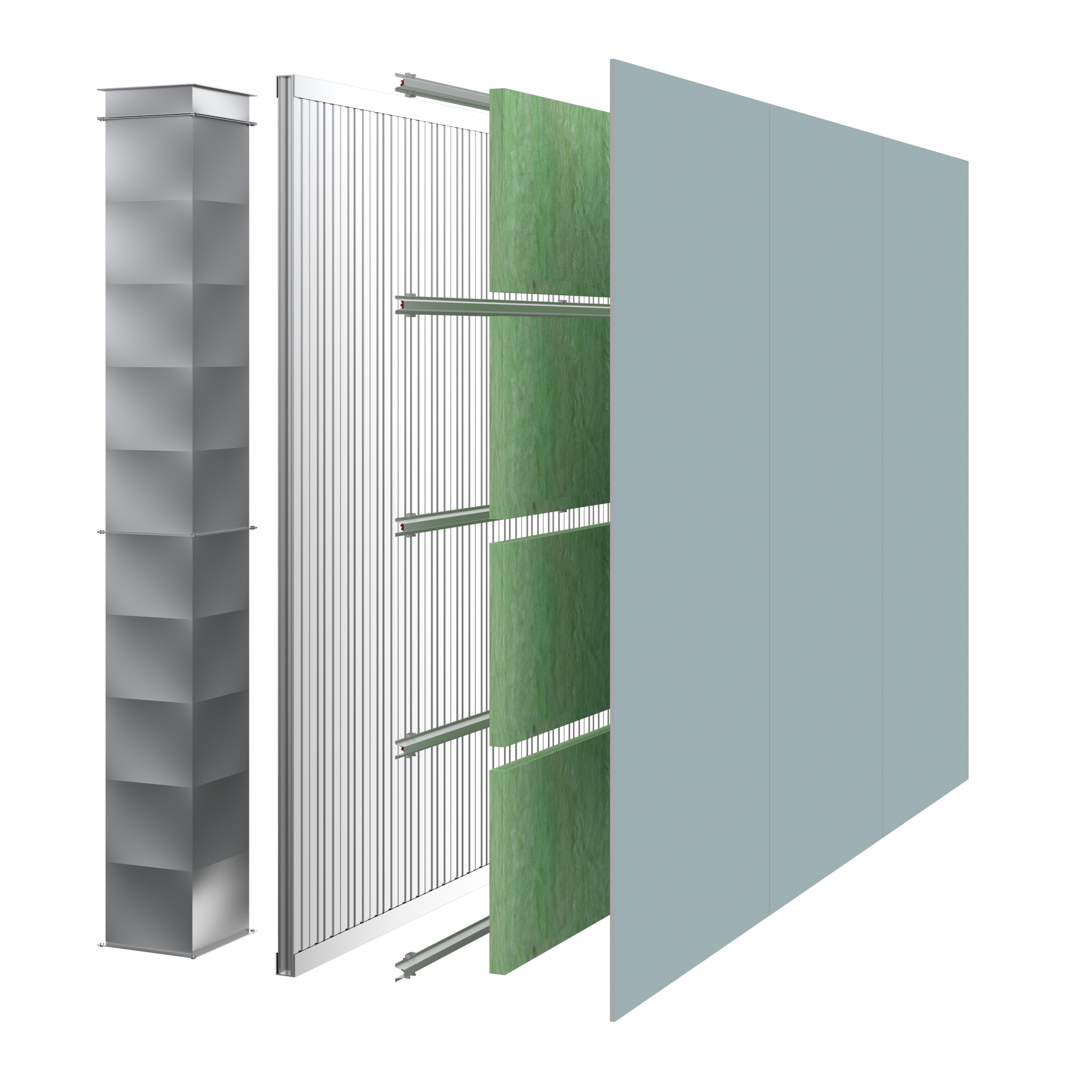
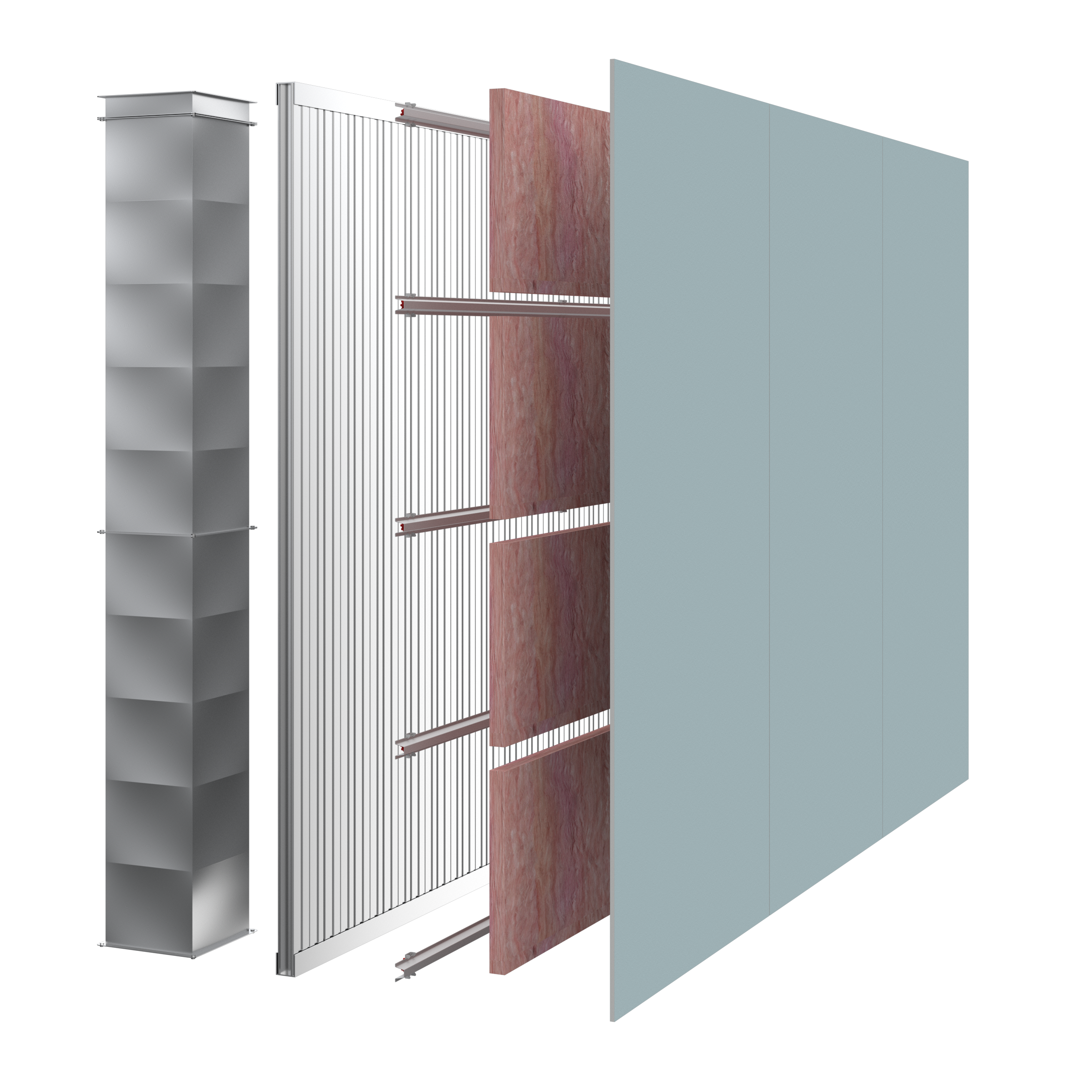
KOROK® fire and acoustic rated wall systems offer superior solutions for lift shafts, risers, and ducts. Lift shafts require fire and acoustic rated protection to ensure building safety. With our innovative panel design, you can install from one side only, eliminating the need for internal scaffolding and significantly reducing construction time and costs.
Key Advantages:
Single-side installation: No scaffolding required inside the shaft, speeding up the construction process.
Fire and acoustic performance: Our systems provide high-level fire resistance and acoustic insulation, ensuring safety and comfort. For lift shafts, this fire and acoustic rated protection is critical.
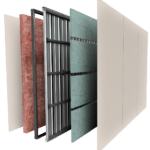
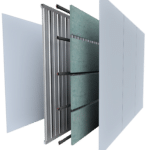
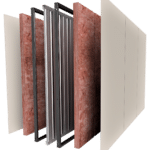
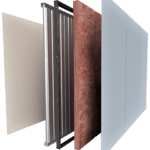
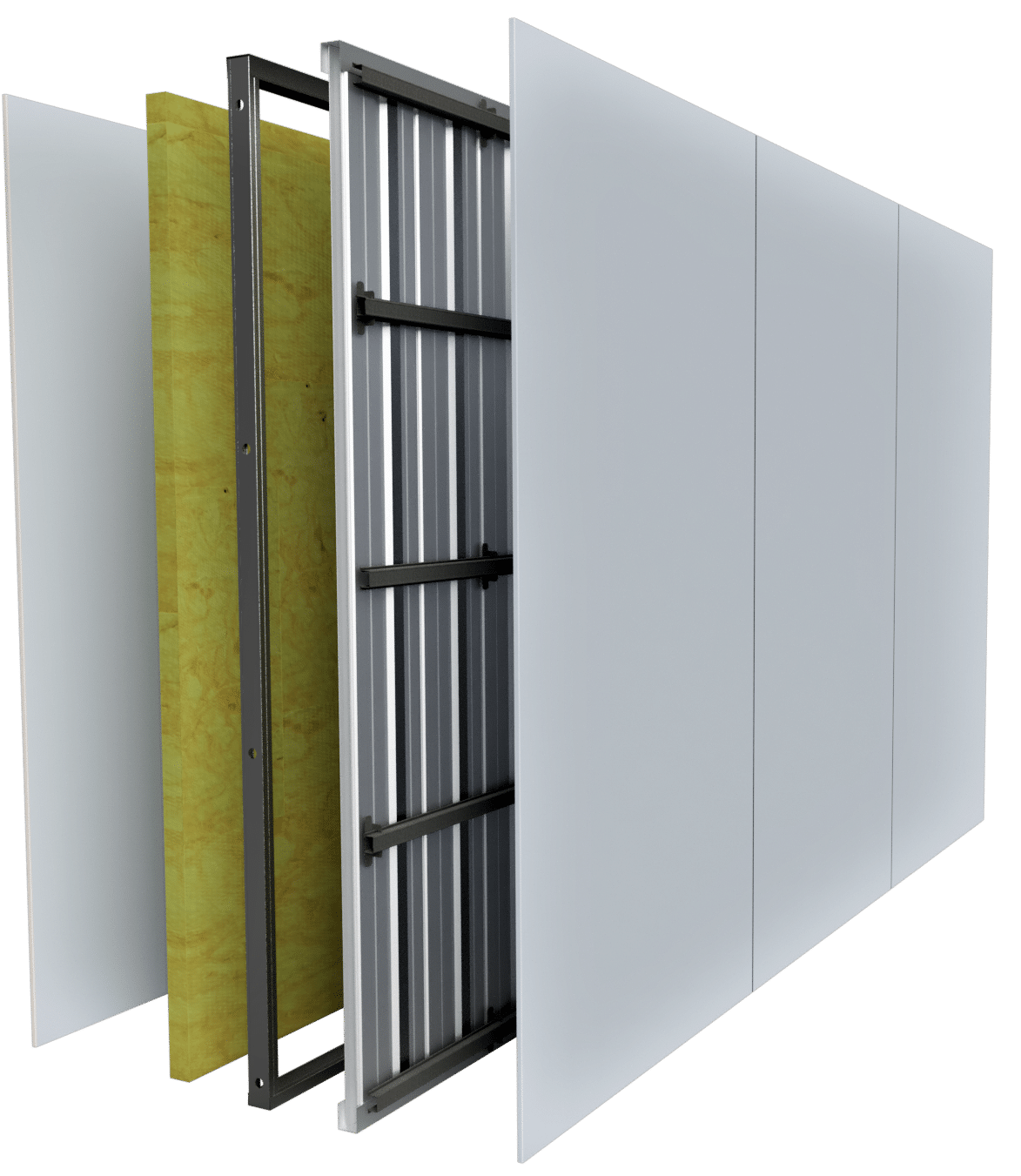
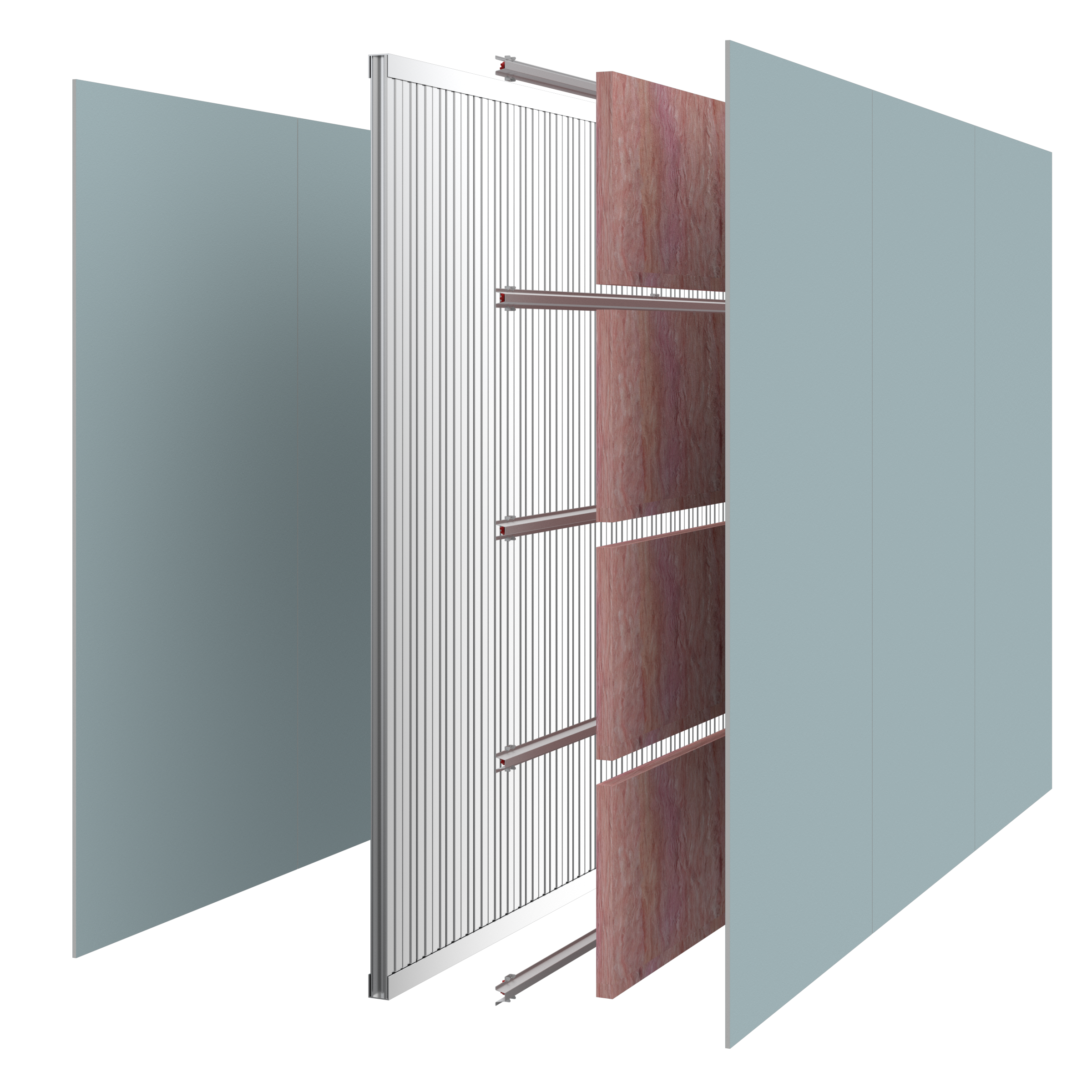
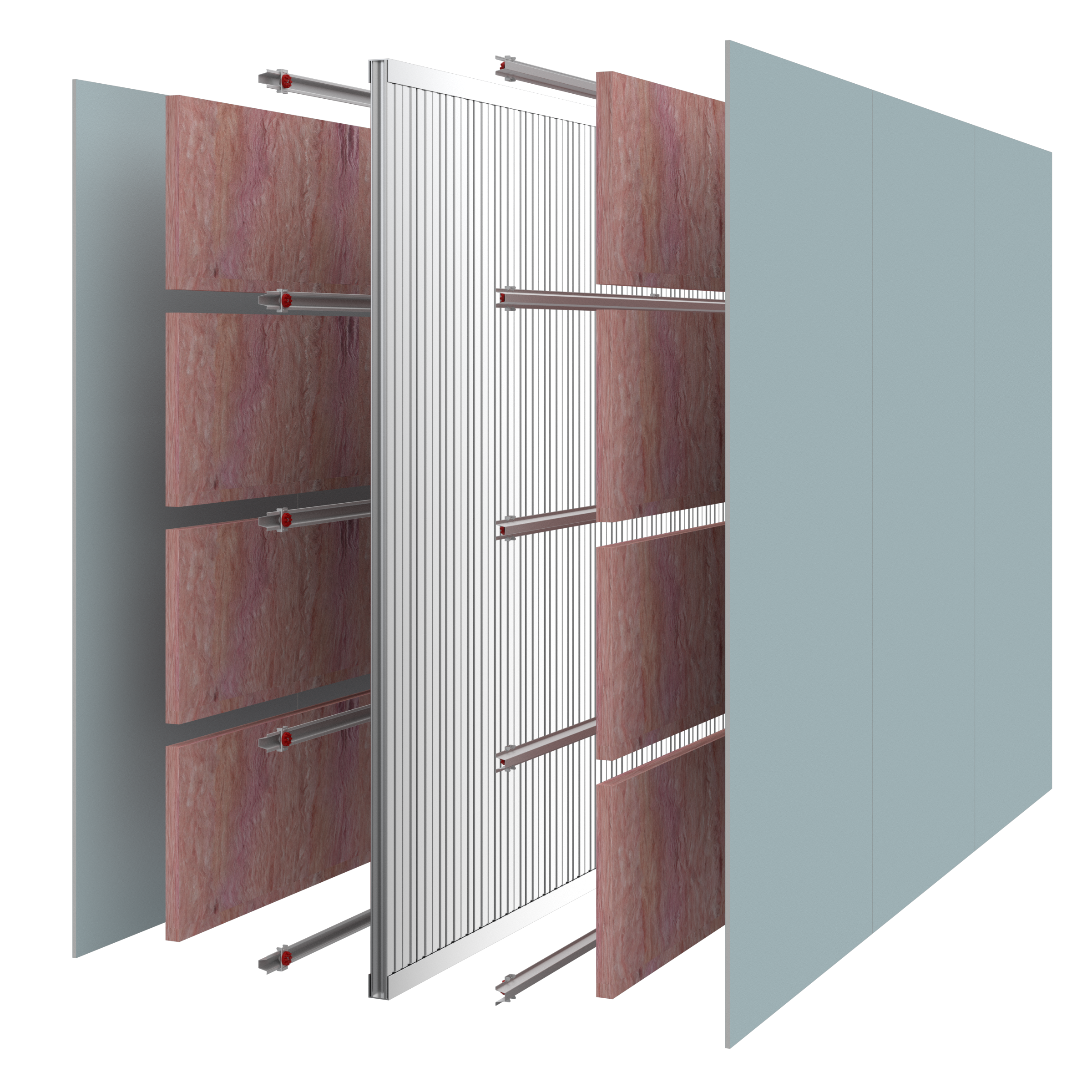
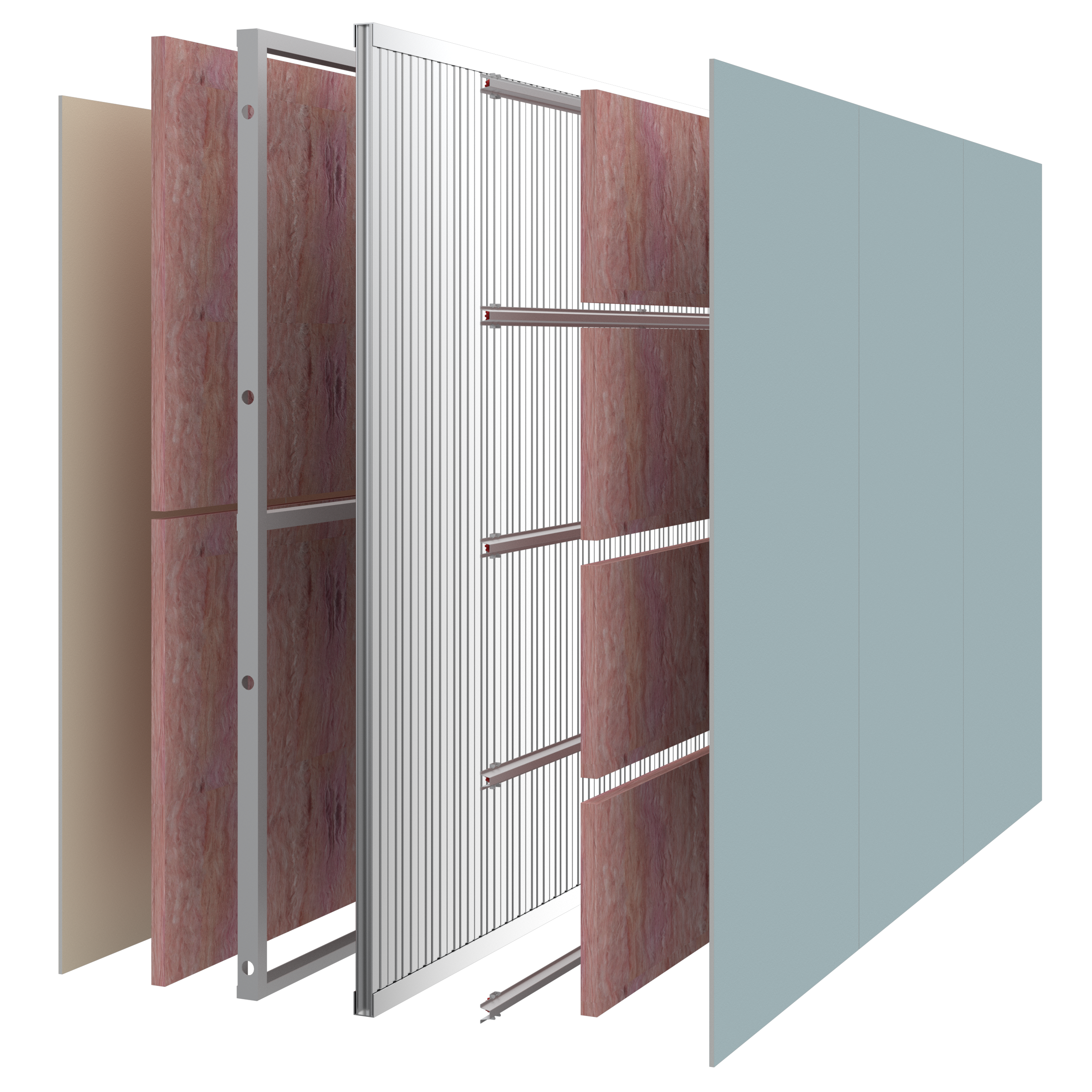
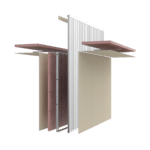
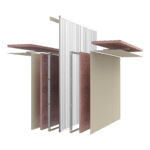
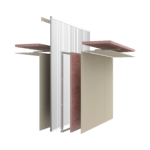
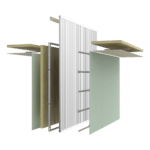
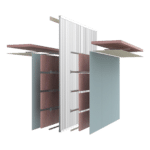
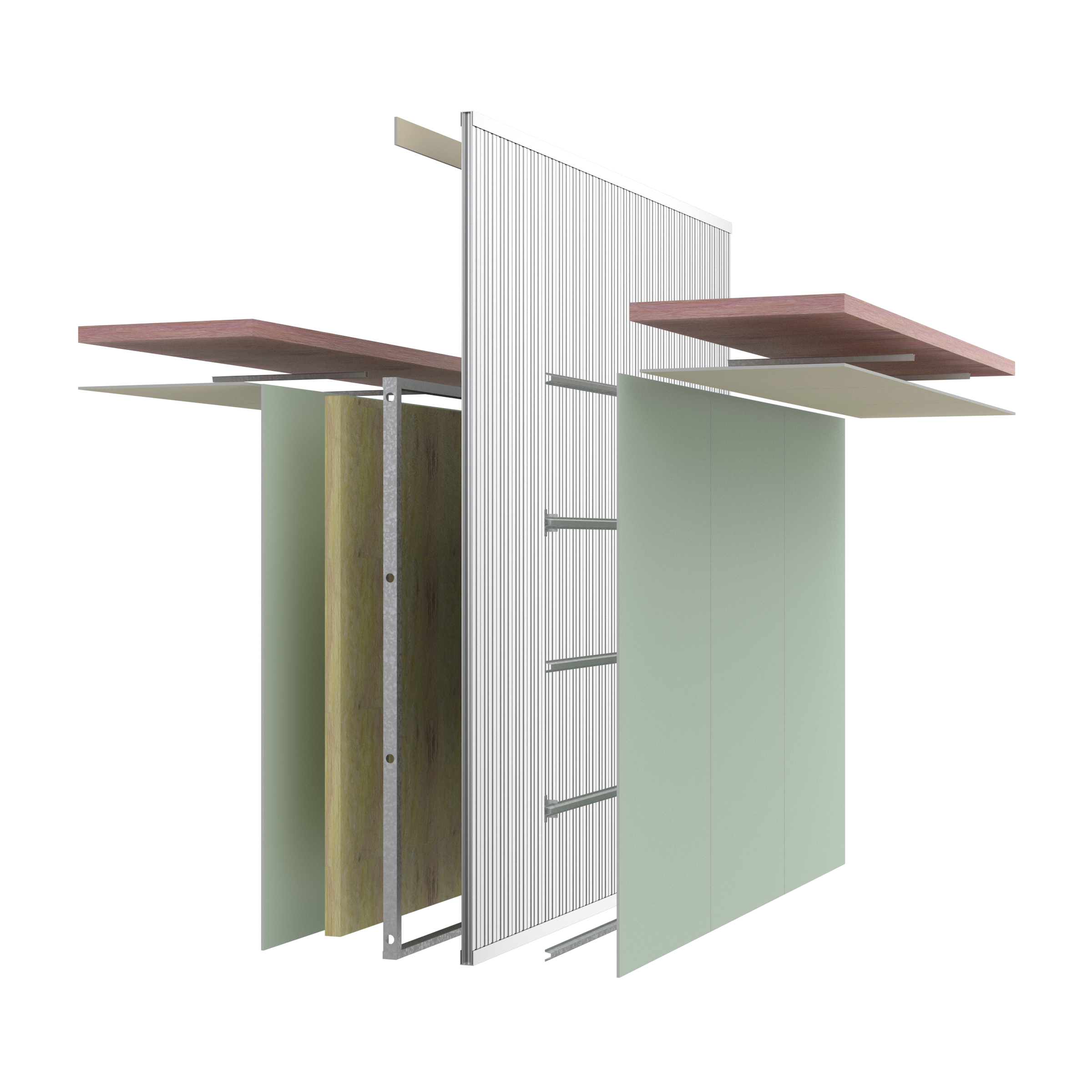
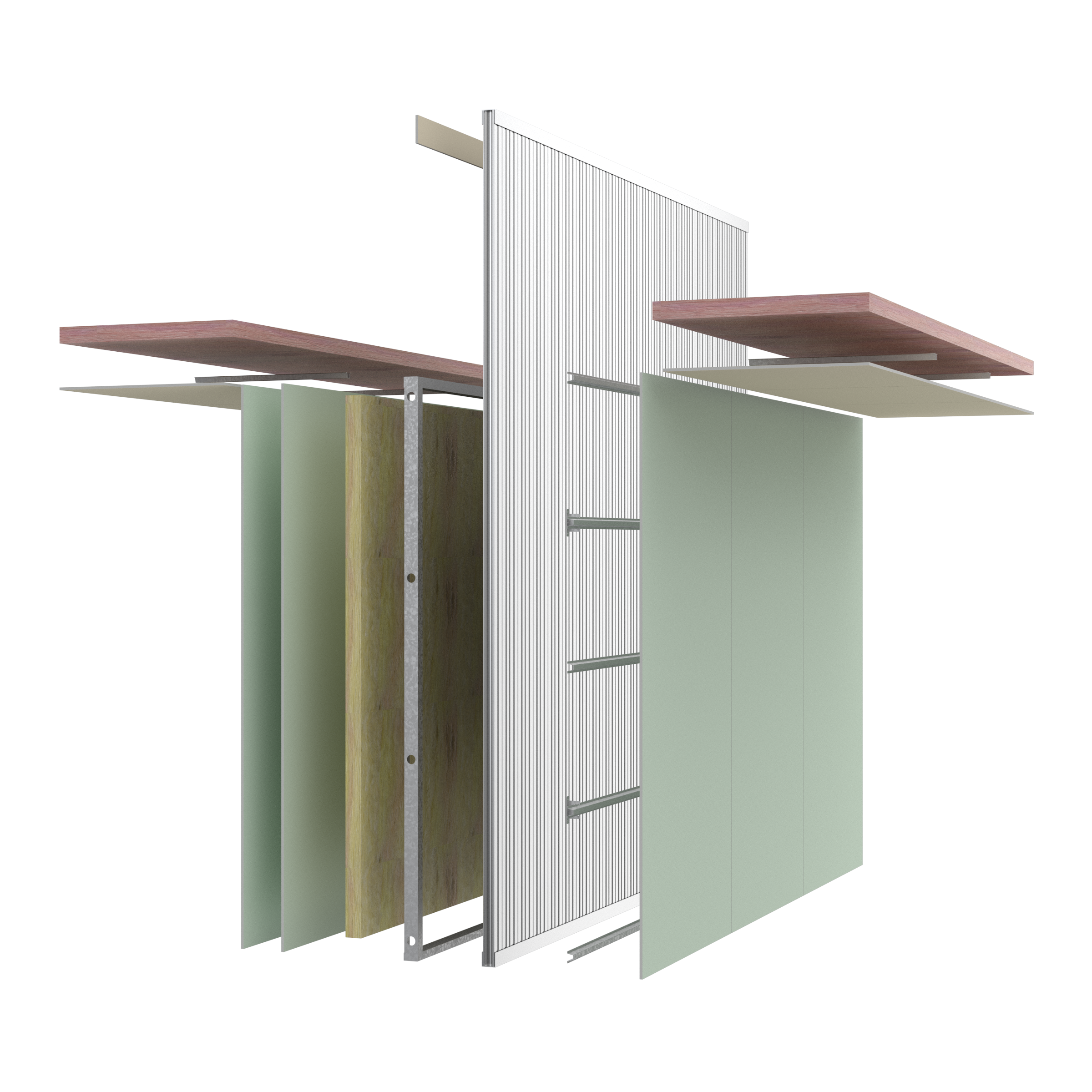
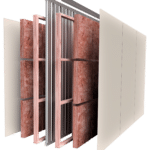
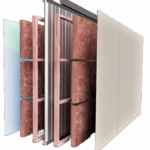
The internal side lined with 1 layer 19mm GIB Fyreline® or acceptable GIB® alternatives or 2 layers 10mm GIB Fyreline® or acceptable GIB® alternatives.
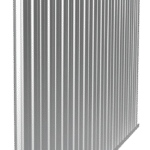
Longrun profiled steel cladding system as selected.
The internal side lined with 1 layer 19mm GIB Fyreline® or acceptable GIB® alternatives or 2 layers 10mm GIB Fyreline® or acceptable GIB® alternatives. Longrun profiled steel cladding system as selected
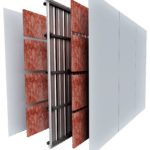
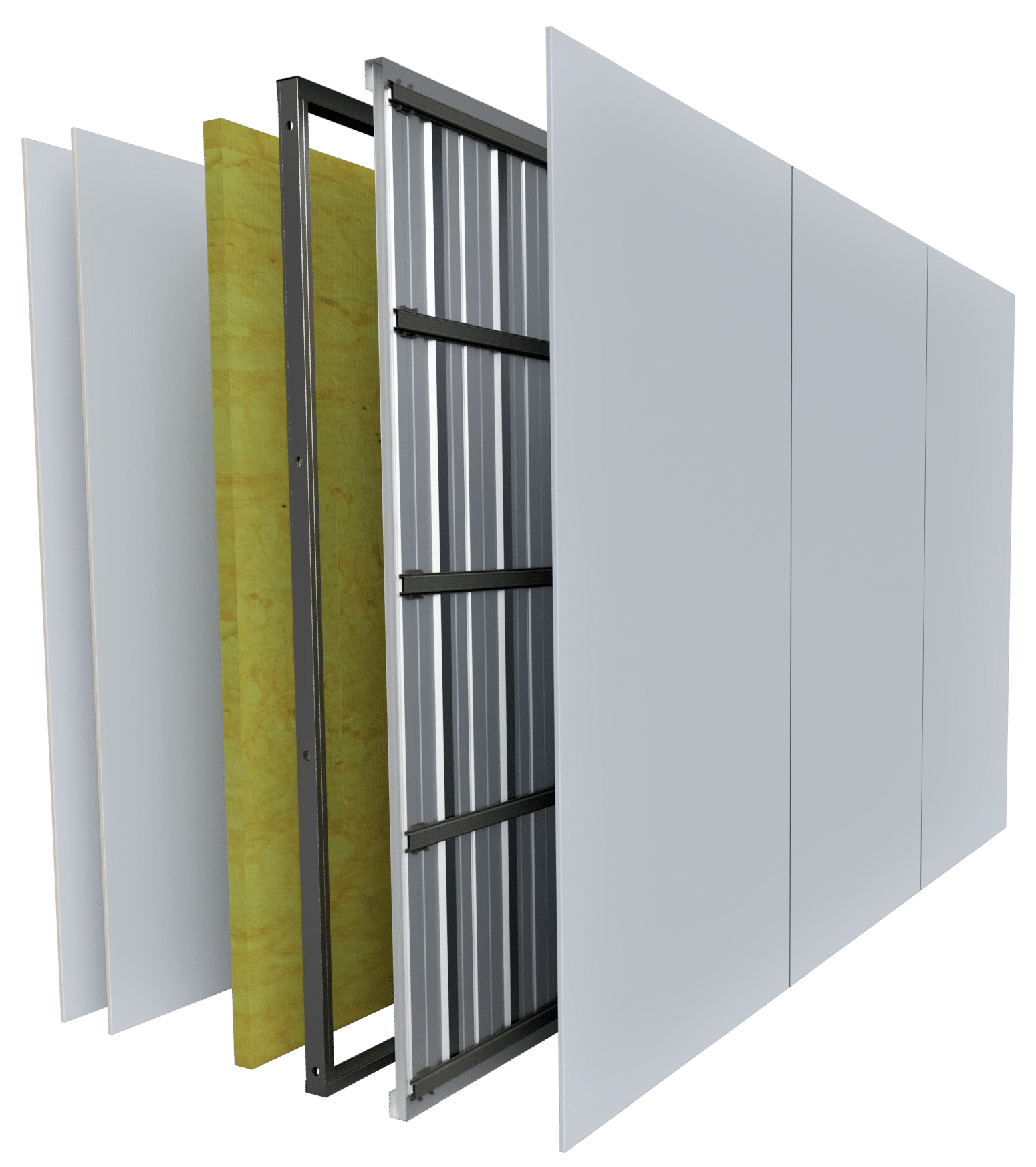
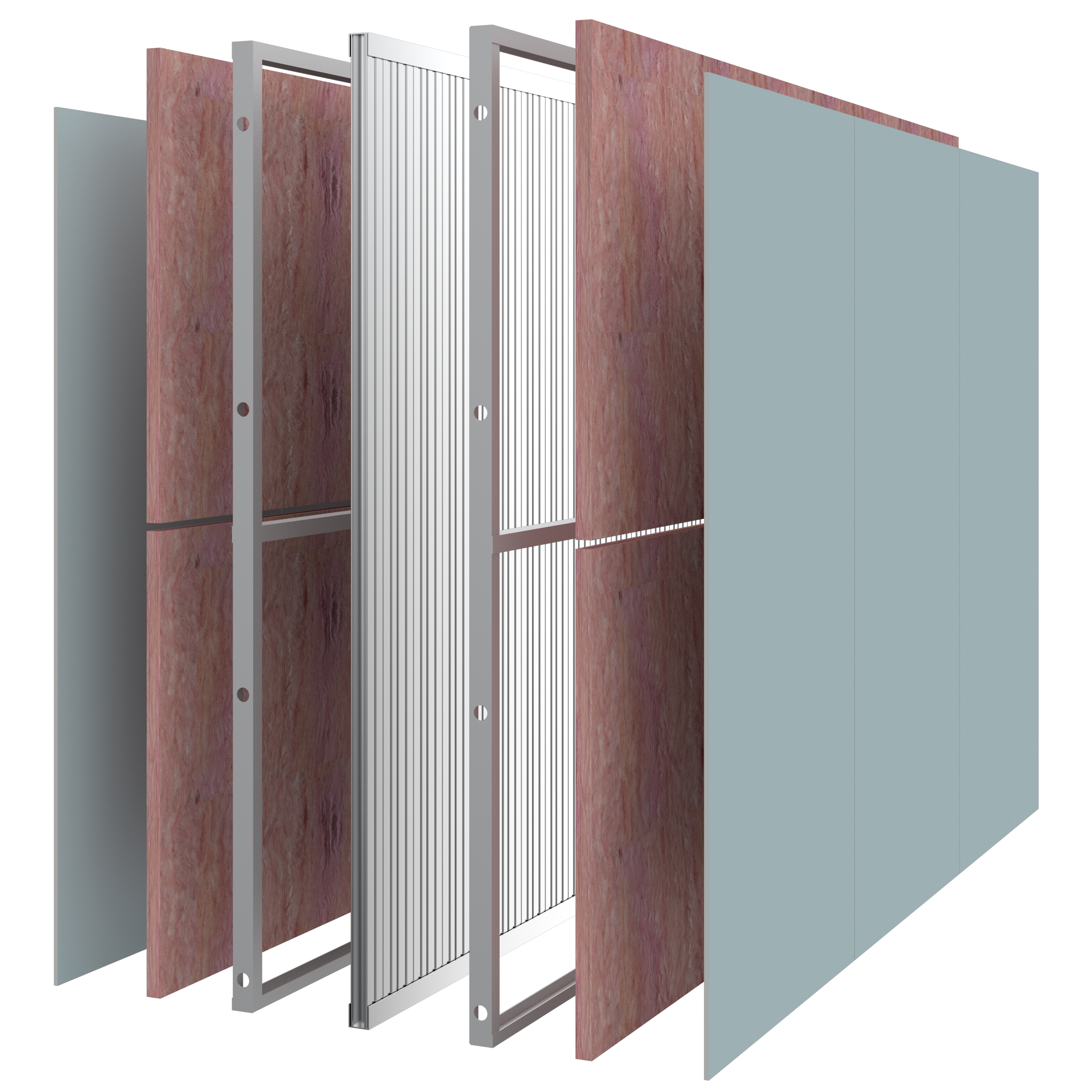
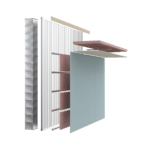
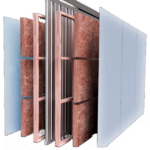
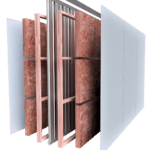
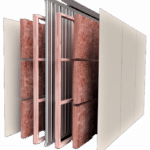
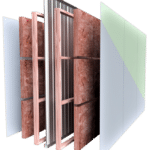
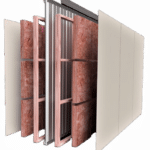
1 layer 10mm GIB® Standard plasterboard or equivalent each side
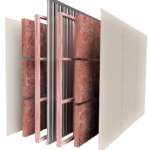
Acoustic insulation must be either Autex GreenStuf SW90 or Pink Batts R 2.2 each side.
KOROK® metal fire flashing is installed to the top C-track.
KOROK® metal KIT flashing is installed to horizontal joints.
90mm steel or timber frame each side
86mm overall. Framing not to touch KOROK® panel or fire flashing
KOROK® metal fire flashing is installed to the top C-track. KOROK® metal KIT flashing is installed to horizontal joints.
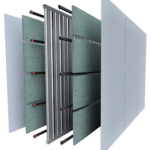
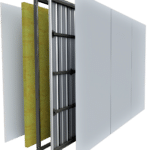
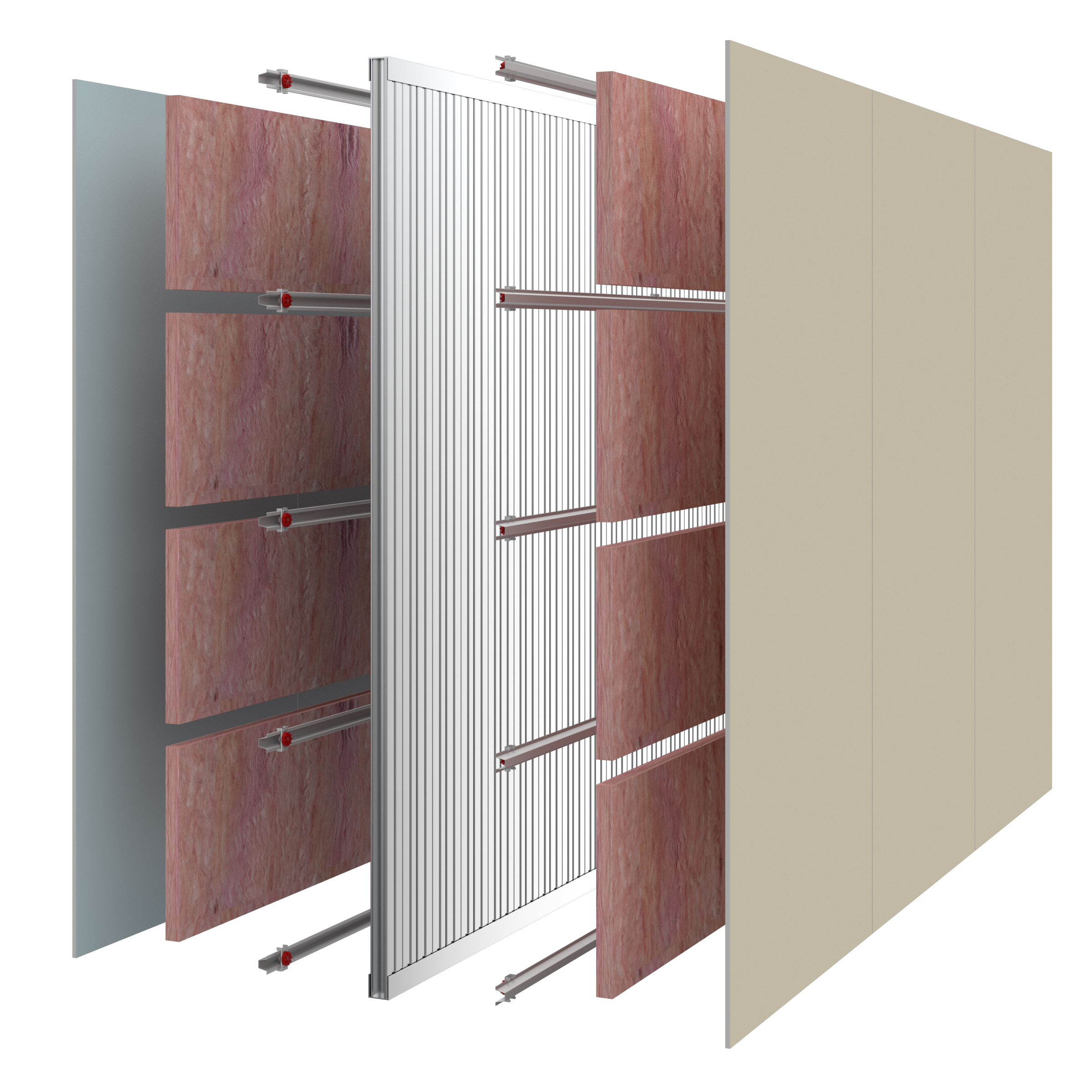
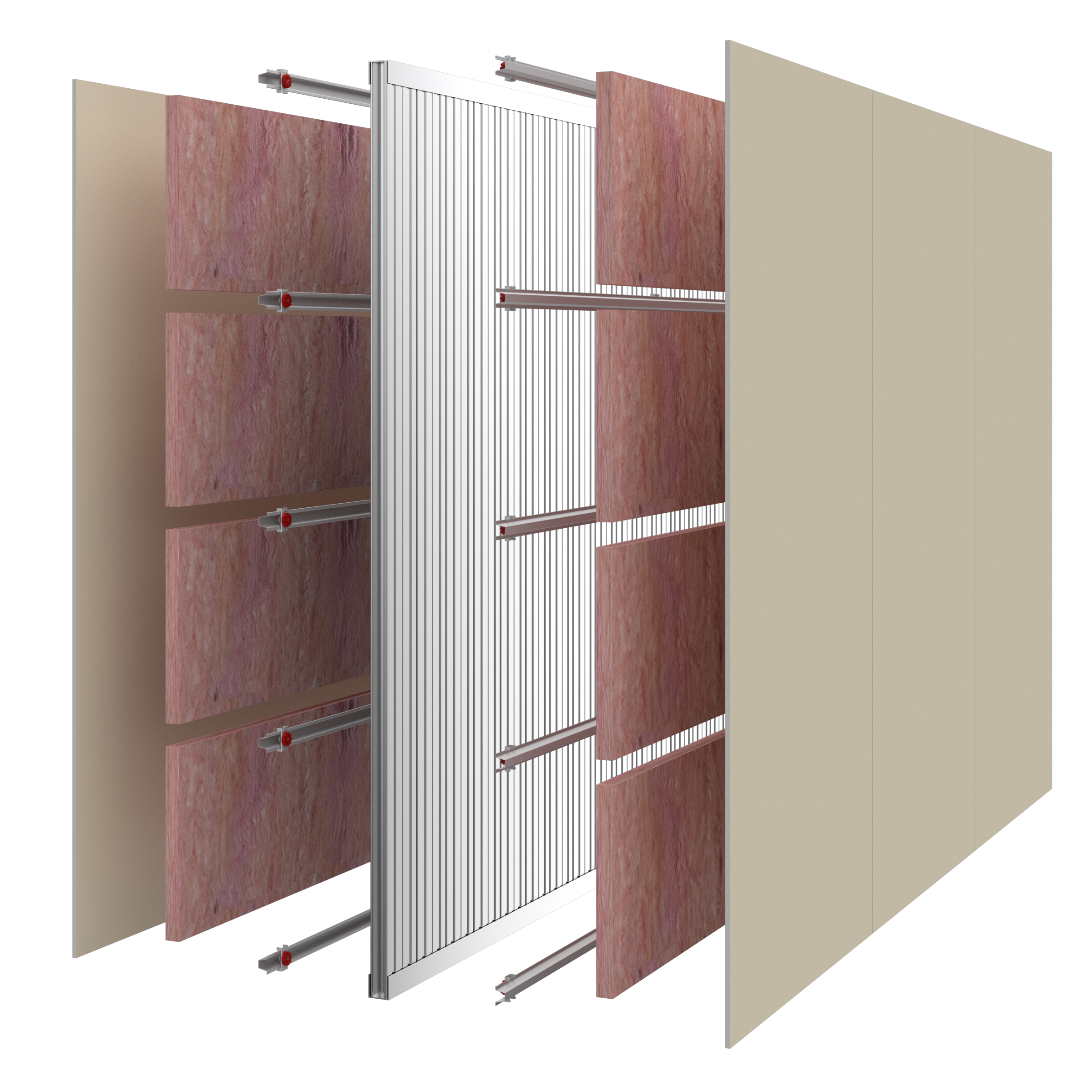
1 layer 10mm GIB® Standard plasterboard or equivalent each side
Acoustic insulation must be either Autex GreenStuf SW90 or Pink Batts R 2.2 each side.
KOROK® metal fire flashing is installed to the top C-track.
KOROK® metal KIT flashing is installed to horizontal joints.
90mm steel or timber frame each side
80mm overall. Framing not to touch KOROK® panel or fire flashing
KOROK® metal fire flashing is installed to the top C-track. KOROK® metal KIT flashing is installed to horizontal joints.
KOROK® metal fire flashing is installed to the top C-track OR 13 mm GIB Fyreline® or equivalent x 120 mm strip with sealant is fixed at 250 mm centres top and bottom, using 6g x 32 mm drywall screws.
Engineered Fire and Acoustic Systems for Industrial and Commercial Spaces
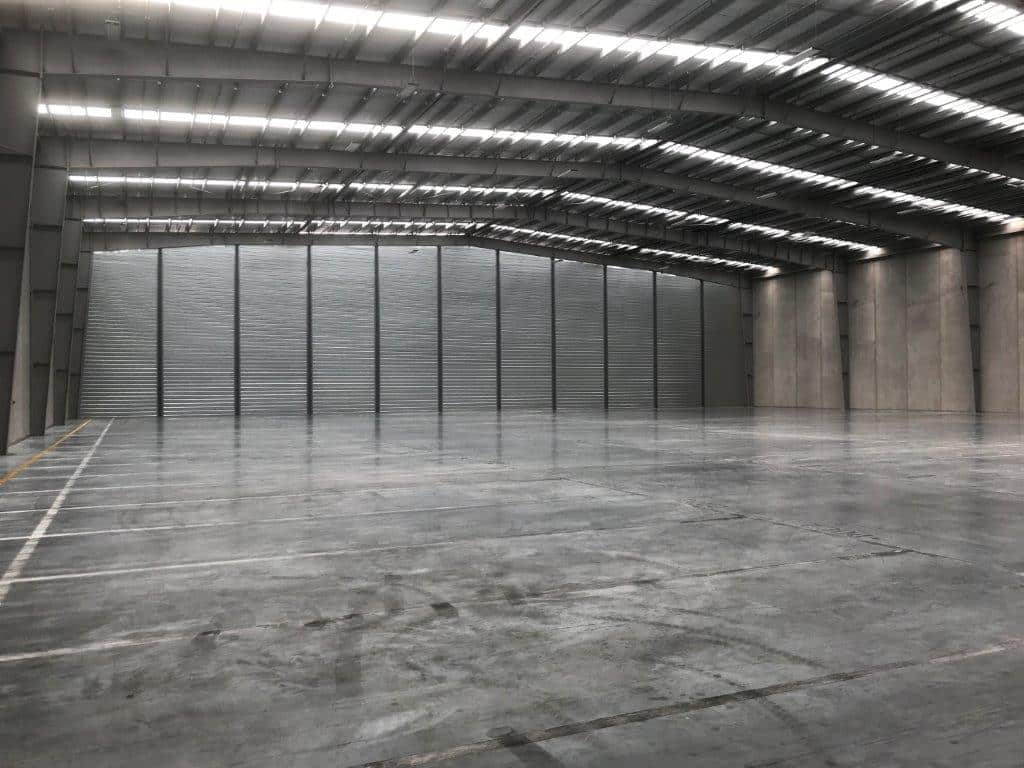
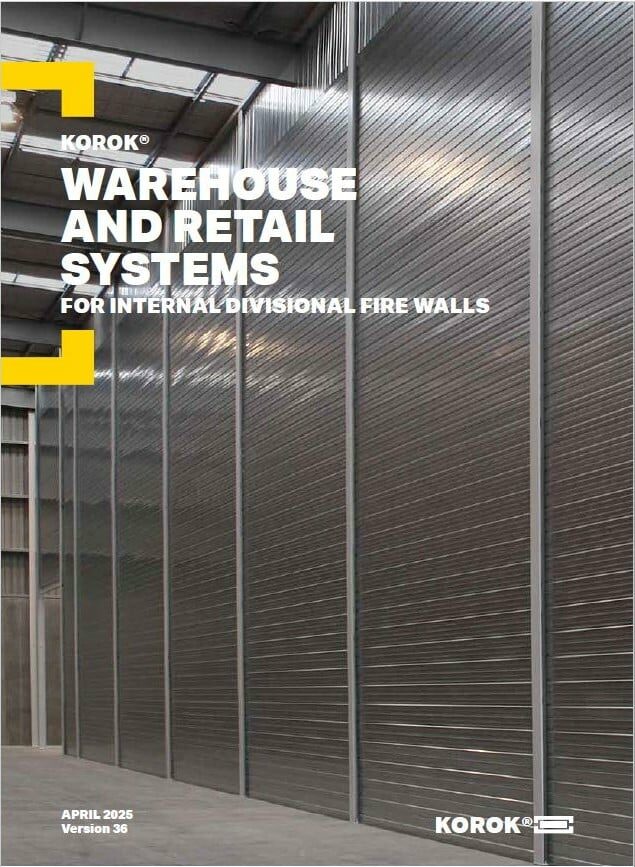
KOROK® Warehouse and Retail Systems are high-performance, non-loadbearing internal wall systems designed to provide secure fire separation and acoustic control in industrial, warehouse, bulk retail, and intertenancy environments.
The system consists of interlocking steel-faced panels with an aerated concrete core, engineered for certified fire resistance, acoustic attenuation, structural reliability, and long-term durability. Panels can be installed vertically or horizontally and are suitable for both single-wall and twin-wall configurations. The systems have been developed in accordance with recognised Australian and New Zealand Standards and are substantiated through BRANZ testing and appraisal(Appraisal No. 559), ensuring verified and compliant performance.
How the System Works
KOROK® panels are roll-formed from zinc-coated steel strips and encapsulate a lightweight aerated concrete core. The interlocking tongue-and-groove profile forms a continuous sealed barrier that enhances both fire integrity and acoustic isolation.
System performance is achieved through the combined effect of panel mass and composite action, the engineered interlocking joint design, and a tested fastening and support methodology. Optional linings and cavity configurations can also be incorporated to meet specific Fire Resistance Rating (FRR) and Sound Transmission Class (STC) requirements.
Systems are non-loadbearing and must be supported by primary structural elements designed in accordance with NZBC structural requirements. Only genuine, tested KOROK® panels and proprietary components guarantee certified system performance. Substituting alternative products may compromise fire and acoustic ratings and cannot be supported or certified.
The internal side lined with 1 layer 19mm GIB Fyreline® or acceptable GIB® alternatives or 2 layers 10mm GIB Fyreline® or acceptable GIB® alternatives.
Longrun profiled steel cladding system as selected.
The internal side lined with 1 layer 19mm GIB Fyreline® or acceptable GIB® alternatives or 2 layers 10mm GIB Fyreline® or acceptable GIB® alternatives. Longrun profiled steel cladding system as selected
1 layer 10mm GIB® Standard plasterboard or equivalent each side
Acoustic insulation must be either Autex GreenStuf SW90 or Pink Batts R 2.2 each side.
KOROK® metal fire flashing is installed to the top C-track.
KOROK® metal KIT flashing is installed to horizontal joints.
90mm steel or timber frame each side
86mm overall. Framing not to touch KOROK® panel or fire flashing
KOROK® metal fire flashing is installed to the top C-track. KOROK® metal KIT flashing is installed to horizontal joints.
1 layer 10mm GIB® Standard plasterboard or equivalent each side
Acoustic insulation must be either Autex GreenStuf SW90 or Pink Batts R 2.2 each side.
KOROK® metal fire flashing is installed to the top C-track.
KOROK® metal KIT flashing is installed to horizontal joints.
90mm steel or timber frame each side
80mm overall. Framing not to touch KOROK® panel or fire flashing
KOROK® metal fire flashing is installed to the top C-track. KOROK® metal KIT flashing is installed to horizontal joints.
KOROK® metal fire flashing is installed to the top C-track OR 13 mm GIB Fyreline® or equivalent x 120 mm strip with sealant is fixed at 250 mm centres top and bottom, using 6g x 32 mm drywall screws.